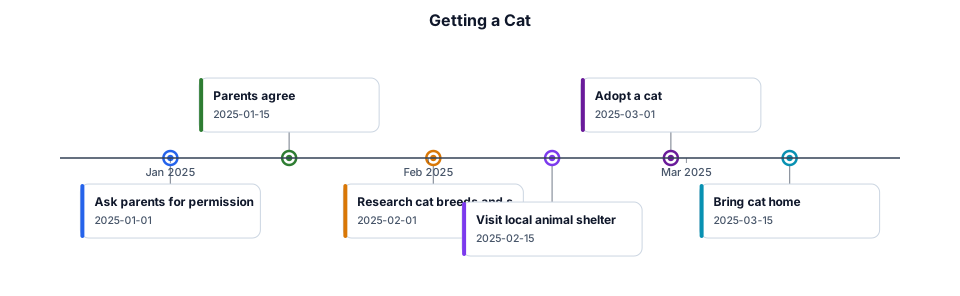
If my parents agree, I will get a cat
NODE ARCHIVE · REAL DIAGRAM BRIEFS
Diagram Examples from Real Visitor Prompts
Browse eligible diagrams shared by FreeDiagram visitors, inspect the exact prompts, and build your own version.
Browse 3261 real creationsCOMMUNITY OUTPUTS · EXACT PROMPTS
Timeline
Showing 1–24 of 110. No stock examples or system defaults. Choose a tool, study a real result, then reopen its prompt as your starting point.
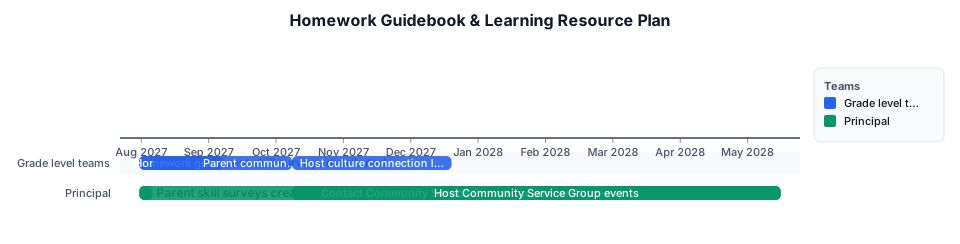
Create homework guidebook and learning resource Grade level teams 08/01/2027 09/08/2027 Homework guidebook and learning resource distribution Grade level teams 08/01/2027 09/08/2027 Parent skill surveys creation principal 08/01/2027 08/07/2027 Parent skill surveys distributed Grade level teams 08/07/2027 09/01/2027 Parent communication and approvals for lesson planning Grade level teams 09/01/2027 10/09/2027 Host culture connection learning lessons Grade level teams 10/09/2027 12/20/2027 Contact Community Service Groups for partnerships Principal 08/01/2027 05/17/2028 Host Community Service Group events Principal Beginning of Second Quarter End of school year
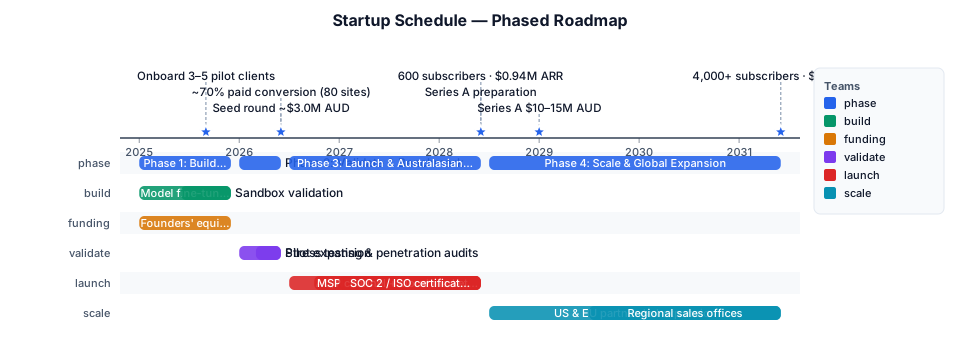
A time line for startup schedule in phases Phase 1: Build & Prototype Months 1–12 (8–12 Mos) Focus: Model fine-tuning, dashboard development, and initial sandbox validation. Key Milestones: Onboard 3–5 non-paying pilot clients (e.g., local legal practices, regional clinics). Funding Strategy: Founders' equity, university commercialization grants, and R&D tax incentives. Phase 2: Validate & Benchmark Months 13–18 (6 Mos) Focus: Technical stress testing, third-party penetration audits, and pilot expansion. Key Milestones: Convert early adopters to paid tiers; achieve ~70% paid conversion across 80 pilot sites. Funding Strategy: Seed Investment Round (~$3.0M AUD). Phase 3: Launch & Australasian Rollout Months 19–36 (1.5 Yrs) Focus: Commercial release across Australia & New Zealand, MSP channel program, cloud marketplace listings (AWS/Azure), and SOC 2 / ISO certifications. Key Milestones: Reach 600 active paying subscribers and $0.94M AUD ARR. Funding Strategy: Organic SaaS revenue supplemented by Series A preparation at Phase exit. Phase 4: Scale & Global Expansion Months 37–72 (3 Yrs) Focus: Partner-led expansion into US and EU territories; demand-driven establishment of regional sales offices. Key Milestones: Expand customer base to 4,000+ paying subscribers and $6.2M AUD ARR. Funding Strategy: Series A Investment Round ($10.0M–$15.0M AUD).
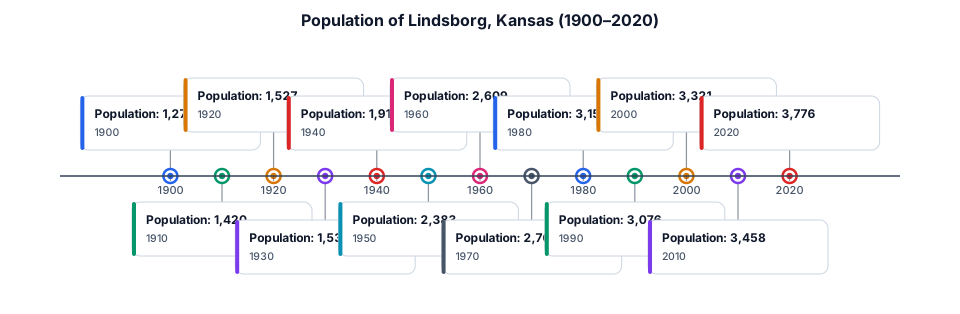
A timeline of the Population of Lindsborg Kansas from 1900-2020
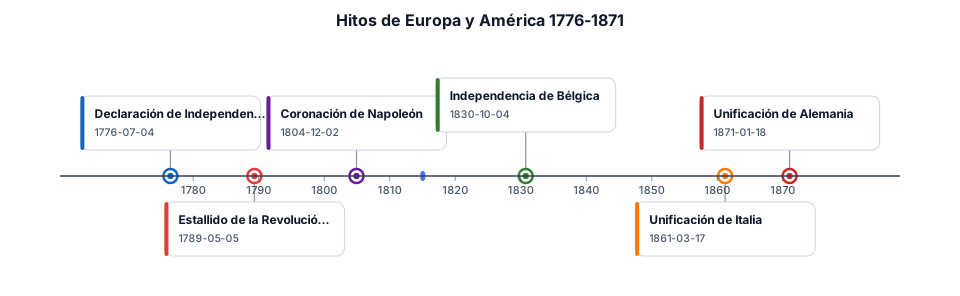
1. Declaración de Independencia de los Estados Unidos: 4 de julio de 1776 2. Estallido de la Revolución Francesa: 5 de mayo de 1789 3. Coronación de Napoleón como emperador: 2 de diciembre de 1804 4. Congreso de Viena: Septiembre de 1814 – Junio de 1815 5. Independencia de Bélgica: 4 de octubre de 1830 6. Unificación de Italia: Proclamada formalmente el 17 de marzo de 1861 (completada en 1870) 7. Unificación de Alemania: 18 de enero de 1871
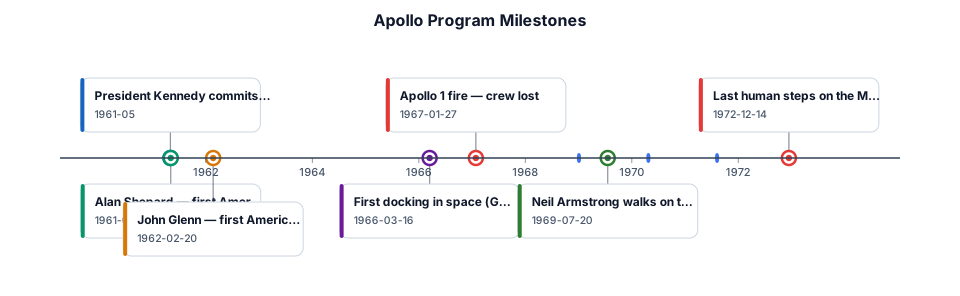
A timeline of the Apollo program's major milestones from 1961 to 1972, including key missions and the first moon landing
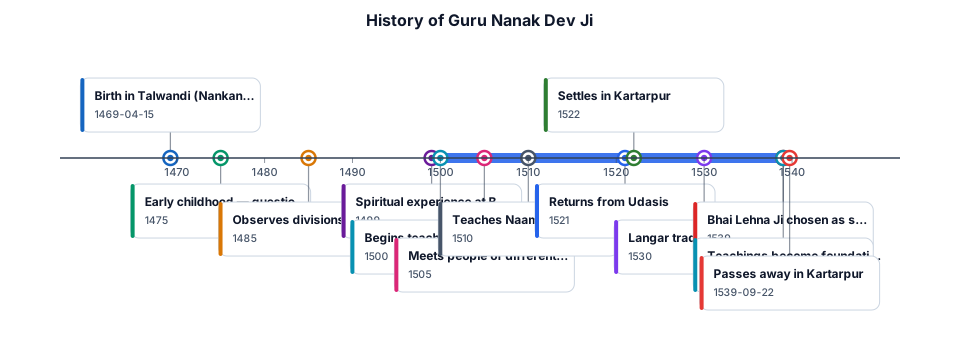
History of Guru Nanak Dev Ji Guru Nanak Dev Ji was born on April 15, 1469, in a village called Talwandi, which is now in Pakistan. His parents were Mehta Kalu Ji and Mata Tripta Ji. His older sister was Bebe Nanaki Ji, who loved and supported him. From a young age, Guru Nanak Dev Ji asked questions about life, God, and why people were treated differently. As he grew older, he saw that people were divided because of their religion, caste, and wealth. He believed this was wrong and taught that all people are equal. When he was about 30 years old, he had a spiritual experience near a river called the Bein River. After this, he began sharing his message about believing in one God and treating everyone with love and respect. Guru Nanak Dev Ji traveled to many places to teach people about God, peace, and equality. These journeys are known as Udasis. During his travels, he met people from different religions and communities. He taught three important principles: Naam Japna (remembering God), Kirat Karni (earning an honest living), and Vand Chakna (sharing with others). Later in his life, Guru Nanak Dev Ji settled in Kartarpur, where he worked on farms and lived with his followers. People gathered there to listen to his teachings and pray together. The tradition of Langar, where everyone shares a free meal, also became an important part of the community. Guru Nanak Dev Ji passed away in 1539 in Kartarpur. Before his death, he chose Bhai Lehna Ji, who became Guru Angad Dev Ji, as his successor. Guru Nanak Dev Ji's teachings became the foundation of Sikhism and continue to guide people around the world today. add years and make it big
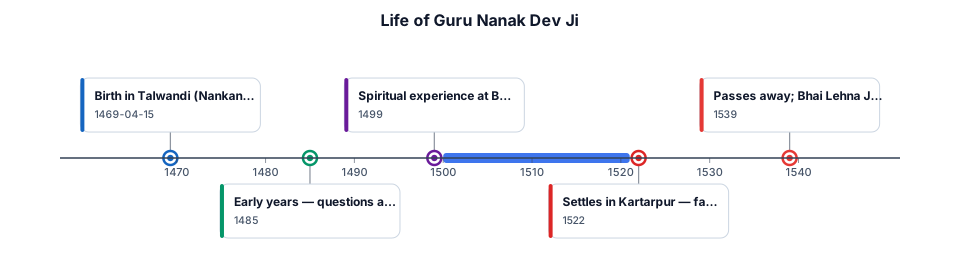
History of Guru Nanak Dev Ji Guru Nanak Dev Ji was born on April 15, 1469, in a village called Talwandi, which is now in Pakistan. His parents were Mehta Kalu Ji and Mata Tripta Ji. His older sister was Bebe Nanaki Ji, who loved and supported him. From a young age, Guru Nanak Dev Ji asked questions about life, God, and why people were treated differently. As he grew older, he saw that people were divided because of their religion, caste, and wealth. He believed this was wrong and taught that all people are equal. When he was about 30 years old, he had a spiritual experience near a river called the Bein River. After this, he began sharing his message about believing in one God and treating everyone with love and respect. Guru Nanak Dev Ji traveled to many places to teach people about God, peace, and equality. These journeys are known as Udasis. During his travels, he met people from different religions and communities. He taught three important principles: Naam Japna (remembering God), Kirat Karni (earning an honest living), and Vand Chakna (sharing with others). Later in his life, Guru Nanak Dev Ji settled in Kartarpur, where he worked on farms and lived with his followers. People gathered there to listen to his teachings and pray together. The tradition of Langar, where everyone shares a free meal, also became an important part of the community. Guru Nanak Dev Ji passed away in 1539 in Kartarpur. Before his death, he chose Bhai Lehna Ji, who became Guru Angad Dev Ji, as his successor. Guru Nanak Dev Ji's teachings became the foundation of Sikhism and continue to guide people around the world today. add years
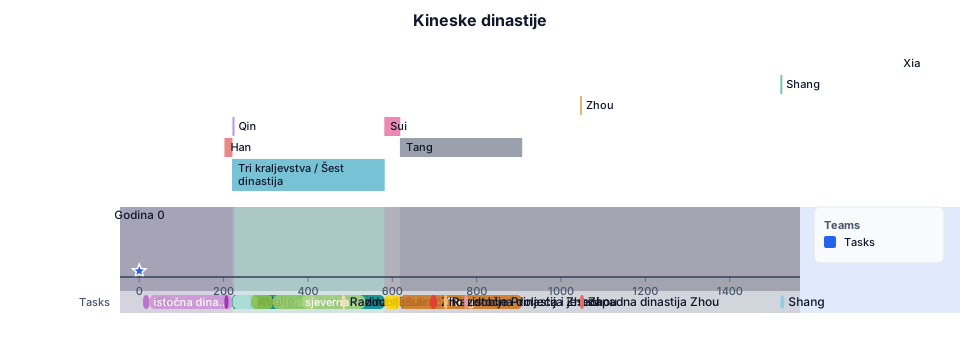
Xia oko 2000–1520 pr. Kr. - mustard yellow Shang oko 1520–1045 pr. Kr. - sky blue Zhou oko 1045–256 pr. Kr. - coral red; sub-periods of Zhou: zapadna dinastija Zhou(1045-771 pr. Kr.), istočna dinastija Zhou (770-256 pr. Kr.) - lighter shades of coral red; sub-periods of istočna dinastija Zhou: Razdoblje Proljeća i jeseni (722-481 pr. Kr.), Razdoblje zaraćenih država (480-222 pr. Kr.) - shades of peach Qin 221–207 pr. Kr. - forest green Han 202 pr. Kr. – 220 pos. Kr. - royal purple; sub-periods: zapadna dinastija Han (202 pr. Kr. - 9 pos. Kr.), Xin (9-23), istočna dinastija Han (25-220) - shades of lighter purple Tri kraljevstva / Šest dinastija(220-581) - dark turquoise; sub-periods1: Wei(220-264), Shu(221–263), Wu(222–280) - shades of lighter turquoise; sub-periods2: Jin(265-316), istočna dinastija Jin(317-420), sjeverna dinastija Wei(386-534) - shades of moss green Sui 581–618 pos. Kr. - sunny yellow Tang 618–907 pos. Kr. - ochre; Zhou(690-705) - bright red On top: timeline, then from top to bottom: Level 1: Xia, Shang, Zhou(1045-256 pr. Kr.), Qin, Tri kraljevstva / Šest dinastija, Sui, Tang Level 2: zapadna dinastija Zhou, istočna dinastija Zhou, zapadna dinastija Han, Xin, istočna dinastija Han; Wei Shu and Wu on top of each other; Zhou(690-705) Level 3: Razdoblje Proljeća i jeseni, Razdoblje zaraćenih država, Jin, istočna dinastija Jin, sjeverna dinastija Wei. A thin vertical line for year 0.
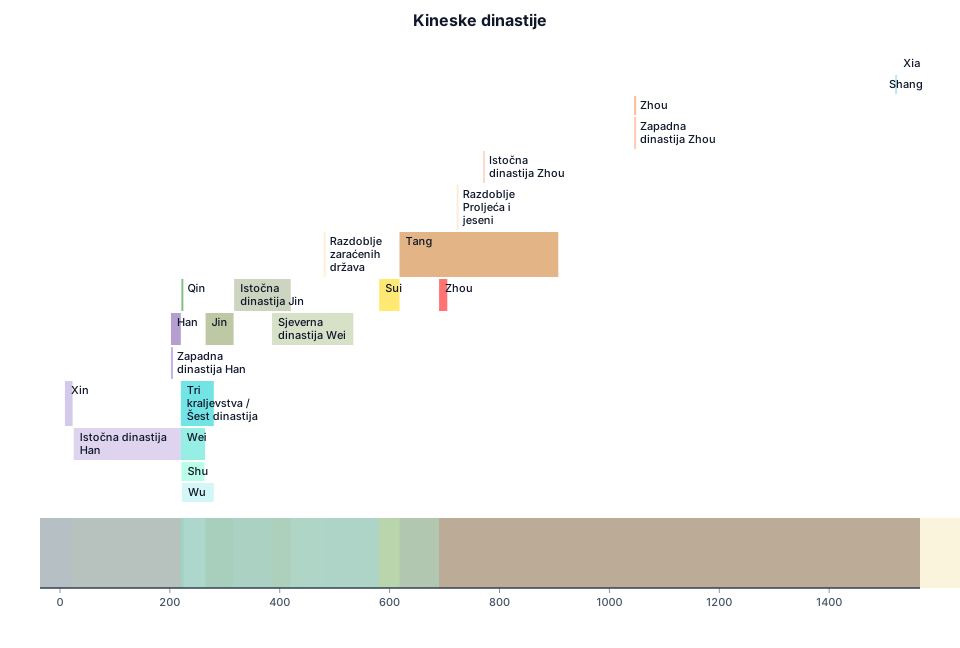
Xia oko 2000–1520 pr. Kr. - mustard yellow Shang oko 1520–1045 pr. Kr. - sky blue Zhou oko 1045–256 pr. Kr. - coral red; sub-periods of Zhou: zapadna dinastija Zhou(1045-771 or. Kr.), istočna dinastija Zhou (770-256 pr. Kr.) - lighter shades of coral red; sub-periods of istočna dinastija Zhou: Razdoblje Proljeća i jeseni (722-481 pr. Kr.), Razdoblje zaraćenih država (480-222 pr. Kr.) - shades of peach Qin 221–207 pr. Kr. - forest green Han 202 pr. Kr. – 220 pos. Kr. - royal purple; sub-periods: zapadna dinastija Han (202 pr. Kr. - 9 pos. Kr.), Xin (9-23), istočna dinastija Han (25-220) - shades of lighter purple Tri kraljevstva / Šest dinastija - dark turquoise; sub-periods1: Wei(220-264), Shu(221–263), Wu(222–280) - shades of lighter turquoise; sub-periods2: Jin(265-316), istočna dinastija Jin(317-420), sjeverna dinastija Wei(386-534) - shades of moss green Sui 581–618 pos. Kr. - sunny yellow Tang 618–907 pos. Kr. - ochre; Zhou(690-705) - bright red
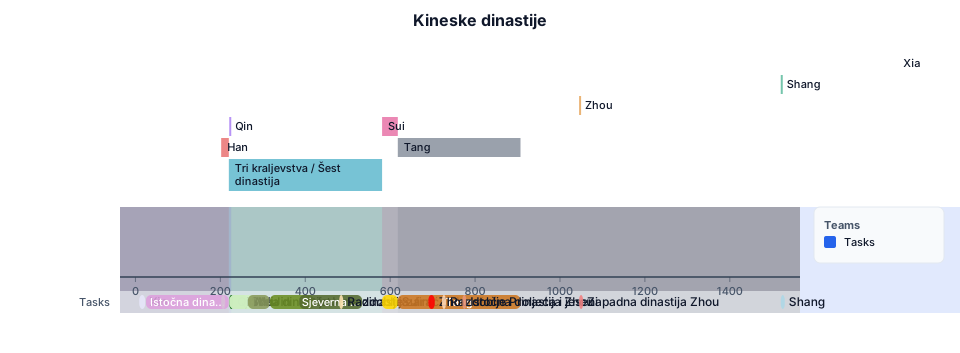
• Xia oko 2000–1520 pr. Kr. - Olive green-beige • Shang oko 1520–1045 pr. Kr. - light blue • Zhou oko 1045–256 pr. Kr. - soft red, sub-periods zapadna dinastija Zhou(1045-771 pr. Kr.), istočna dinastija Zhou(770-256 pr. Kr.) - shades of Coral; sub-periods Razdoblje Proljeća i jeseni(722-481 pr. Kr.), Razdoblje zaraćenih država(480-222 pr. Kr.) - shades of peach. • Qin 221–207 pr. Kr. - dark green • Han 202 pr. Kr. – 220 pos. Kr. - dark purple; sub-periods zapadna dinastija Han(202 pr. Kr.-9 pos. Kr.), Xin(9-23), istočna dinastija Han(25-220) - shades of light purple. • Tri kraljevstva / Šest dinastija (220-581) - jade green; sub-periods Wei(220-264), Shu(221-263), Wu(222-280) - shades of lighter jade green; sub-periods Jin(265-316), istočna dinastija Jin(317-420), sjeverna dinastija Wei(386-534) - shades of moss green. • Sui 581–618 pos. Kr. - sunny yellow • Tang 618–907 pos. Kr. - ochre; Zhou (690-705) - bright red
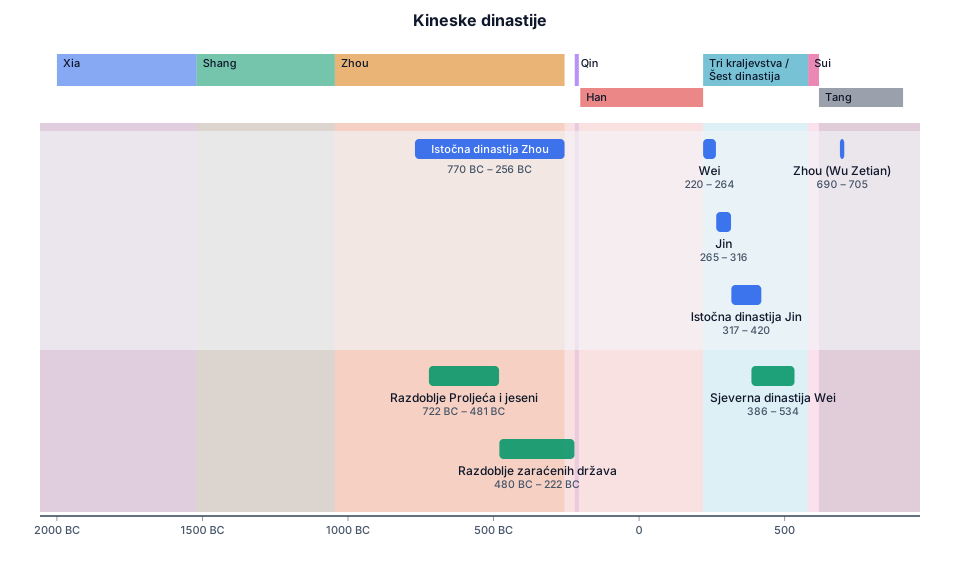
• Xia oko 2000–1520 pr. Kr. • Shang oko 1520–1045 pr. Kr. • Zhou oko 1045–256 pr. Kr., sub-periods istočna dinastija Zhou(770-256 pr. Kr.), Razdoblje Proljeća i jeseni(722-481 pr. Kr.), Razdoblje zaraćenih država(480-222 pr. Kr.). • Qin 221–207 pr. Kr. • Han 202 pr. Kr. – 220 pos. Kr. • Tri kraljevstva / Šest dinastija (220-581): Wei(220-264), Jin(265-316), istočna dinastija Jin(317-420), sjeverna dinastija Wei(386-534). • Sui 581–618 pos. Kr. • Tang 618–907 pos. Kr.; Zhou (690-705)
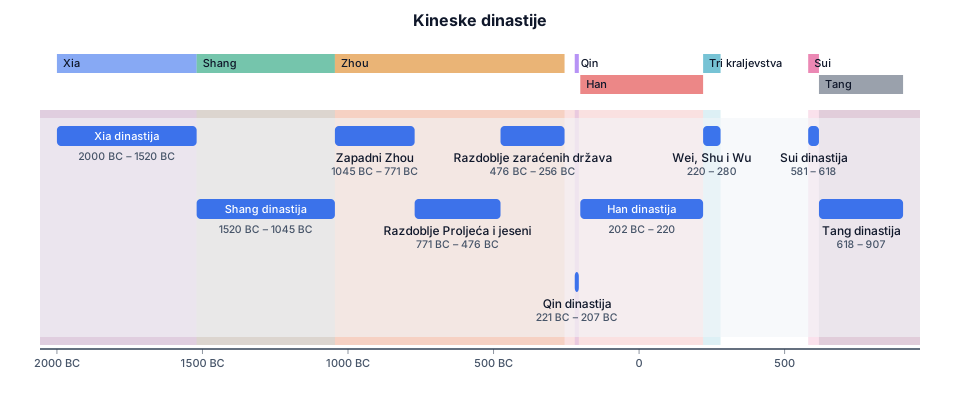
• Xia Dynasty (Xia oko 2000–1520 pr. Kr.) • Shang Dynasty (Shang oko 1520–1045 pr. Kr.) • Zhou Dynasty (Zhou oko 1045–256 pr. Kr.), along with sub-periods like the Western Zhou, Spring and Autumn period (Razdoblje Proljeća i jeseni), and the Warring States period (Razdoblje zaraćenih država). • Qin Dynasty (Qin 221–207 pr. Kr.) • Han Dynasty (Han 202 pr. Kr. – 220 pos. Kr.) • Three Kingdoms (Tri kraljevstva / Šest dinastija) including Wei, Shu, and Wu. • Sui Dynasty (Sui 581–618 pos. Kr.) • Tang Dynasty (Tang 618–907 pos. Kr.)
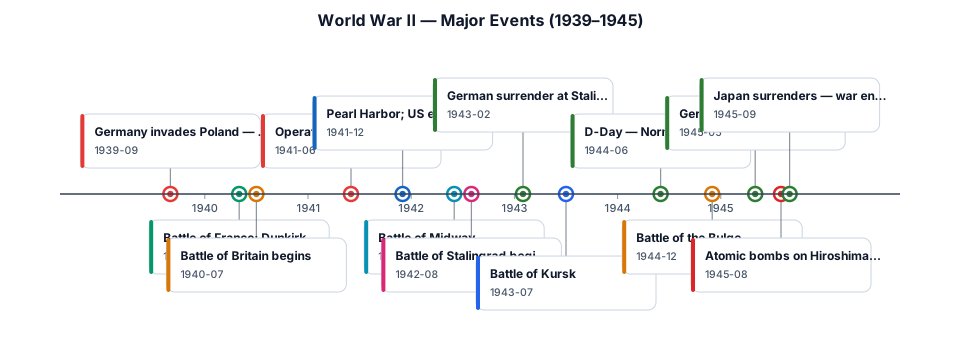
The major events of World War II from 1939 to 1945
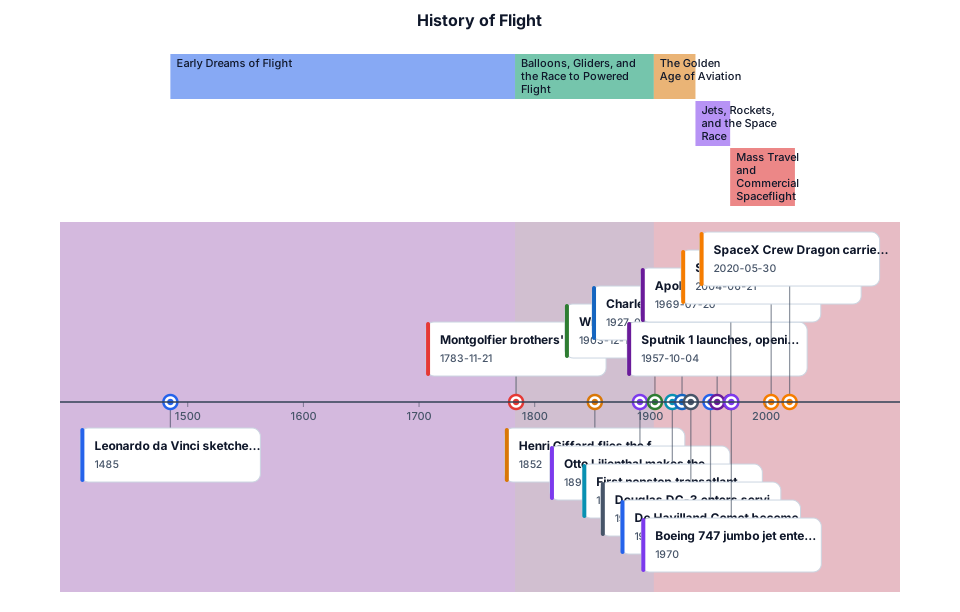
Construct a Timeline of the History of Flight- starting with humanity’s early attempts with Ornithopters and Hot Air Balloons, to the Wright Brothers, to modern commercial airlines and spaceflight. Include at least 10 key milestones. Include dates, descriptions, and pictures.
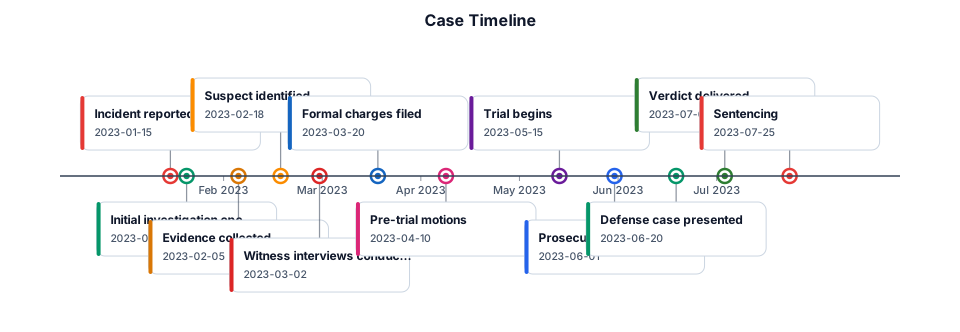
Case timelline
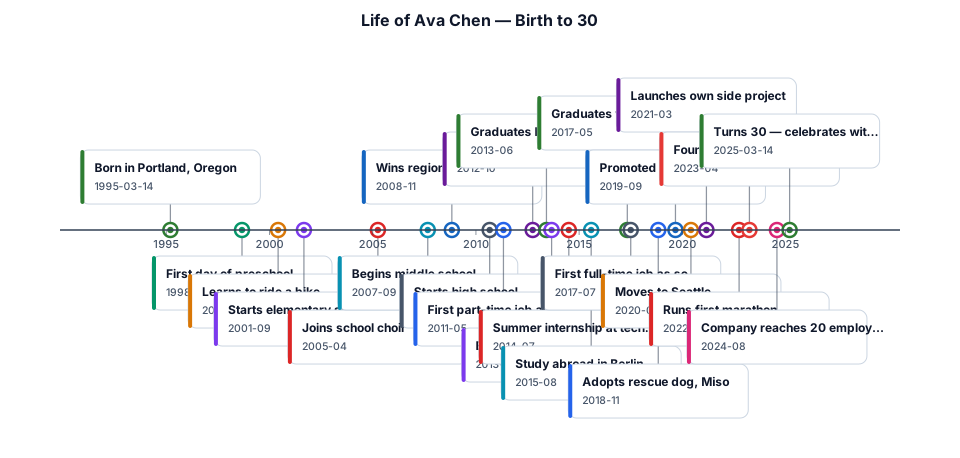
create timeline for fictional character starting from birth to the age of 30
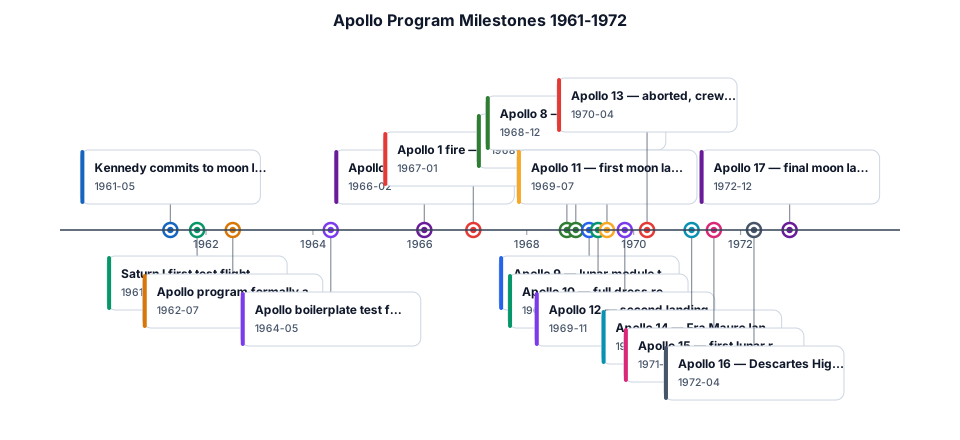
A timeline of the Apollo program's major milestones from 1961 to 1972, including key missions and the first moon landing
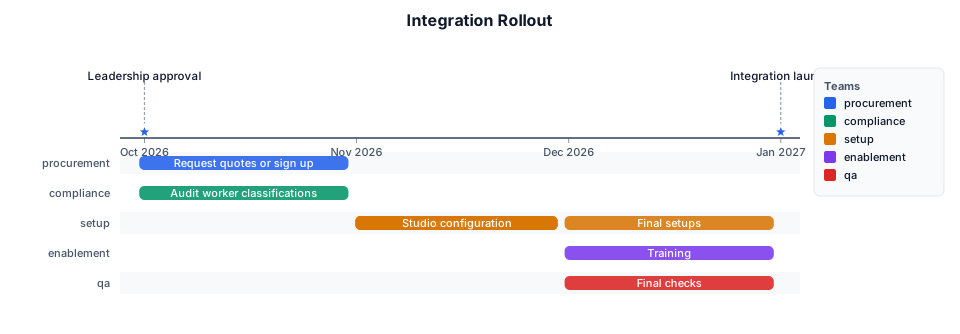
In october there will be Leadership approval; request quotes or sign up, and audit worker classifications. In november, there will be account setup, data migration, and studio configuration. In december, there will be training, final setups, and final checks. And in January 2027, the integration will launch
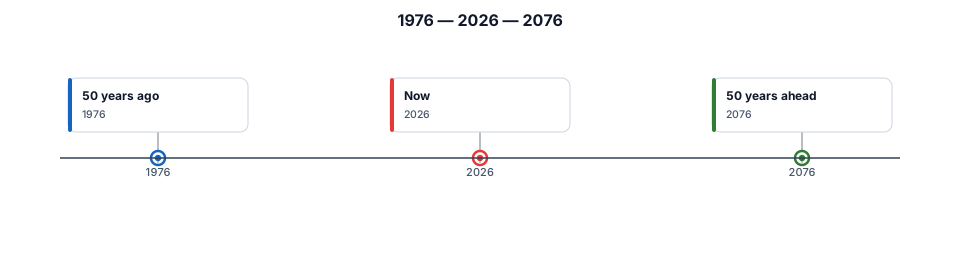
a Timeline with 2026 in the center. Add one line from 50 years ago and one line 50 years in the future to show past and future
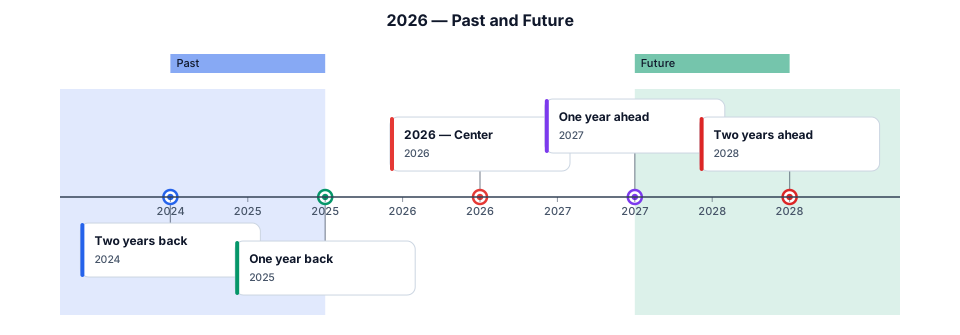
a Timeline with 2026 in the center. Add two years to either side of the center to signify past and future
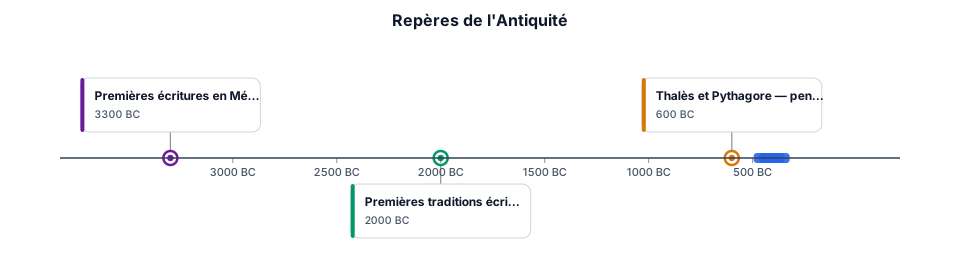
Date Événement à indiquer Vers 3300 av. J.-C. Apparition des premières formes d'écriture en Mésopotamie. Fin du IIIᵉ – début du IIᵉ millénaire av. J.-C., selon les versions Premières traditions écrites de l’Épopée de Gilgamesh. Date à garder seulement si cette œuvre figure bien dans ton cours. VIᵉ siècle av. J.-C. Thalès et Pythagore : figures de la pensée grecque ancienne, associées à la recherche d'explications rationnelles. Vers 495–429 av. J.-C. Vie de Périclès ; période liée à l'apogée d'Athènes au Vᵉ siècle av. J.-C. Vers 470/469–399 av. J.-C. Socrate ; il est condamné à mort et exécuté en 399 av. J.-C. Vers 460–370 av. J.-C. Démocrite, associé à l'atomisme antique. Vers 428/427–348/347 av. J.-C. Platon, auteur de La République. 384–322 av. J.-C. Aristote, philosophe grec.
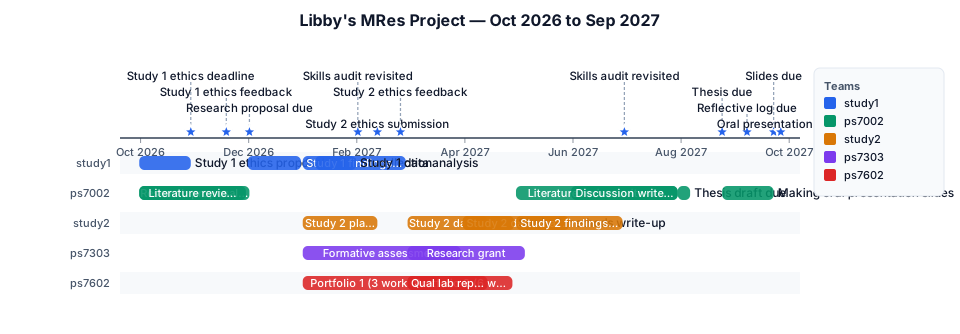
A timeline of Libby's MRes project, spanning October 2026 to September 2027 with the following deadlines, grouped by their overarching project: Study 1: Study 1 ethics deadline = 30th October Study 1 ethics feedback = 19th November Working on Study 1 ethics proposal = Early October until 30th October Study 1 start data collection = Start of December until end of December Study 1 data analysis = Second week of January until End of January Writing up findings and methods from Study 1 = January to February Study 2: Study 2 planning and writing ethical approval= Start of January until 12th February Study 2 ethics submission = 12th February 2027 Study 2 ethics feedback = 25th February 2027 Study 2 data collection = Through March to mid April Study 2 data analysis = Through April and May Writing up Study 2 findings = May-June Writing up Study 2 methods = April PS7002 Assessments: Research Proposal due date = 2 December 2026 Working on research proposal = Early October to 2nd December Thesis due date = 25 August Thesis draft due = End of July/ Start of August Literature review write up = October to November with a break and then resuming May to July Discussion write up = June to End of July Reflective Log = 8 September Oral presentation = Slides due 23 September, presenting w/c 27 September Making slides for oral presentation = Start end of August ends on 23rd September Skills audit revisited = 1st February 2027 AND 1st July 2027 PS7303 Assessments: Research grant = March to 6 May Formative assessment = Start of January to end of March PS7602 Assessments: Portfolio 1 (3 worksheets) = Start of January to 18 March Portfolio 2 (6 worksheets) = March until 29 April Qual lab report = March until 15 April (the deadlines run from October 2026-September 2027, so months such as January or March will be 2027 not 2026)
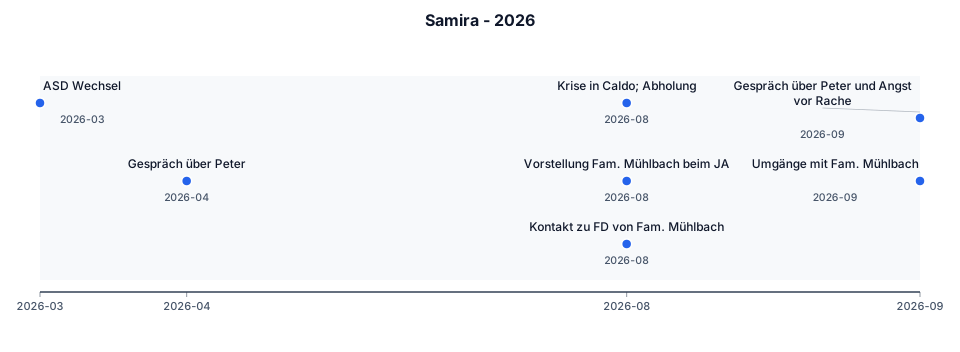
03/26 – ASD Wechsel 04/26 – Gespräch über Peter 08/26 – Krise in Caldo; Abholung 08/26 – Vorstellung Fam. Mühlbach beim JA 08/26 – Kontakt zu FD von Fam. Mühlbach 09/26 – Gespräch über Peter und Angst vor Rache 09/26 – Umgänge mit Fam. Mühlbach gestalte mir das diagramm so, dass ich den volständigen Text lesen kann ich will jedes feld sehen Überschrift Samira - 2026 nimm das andere