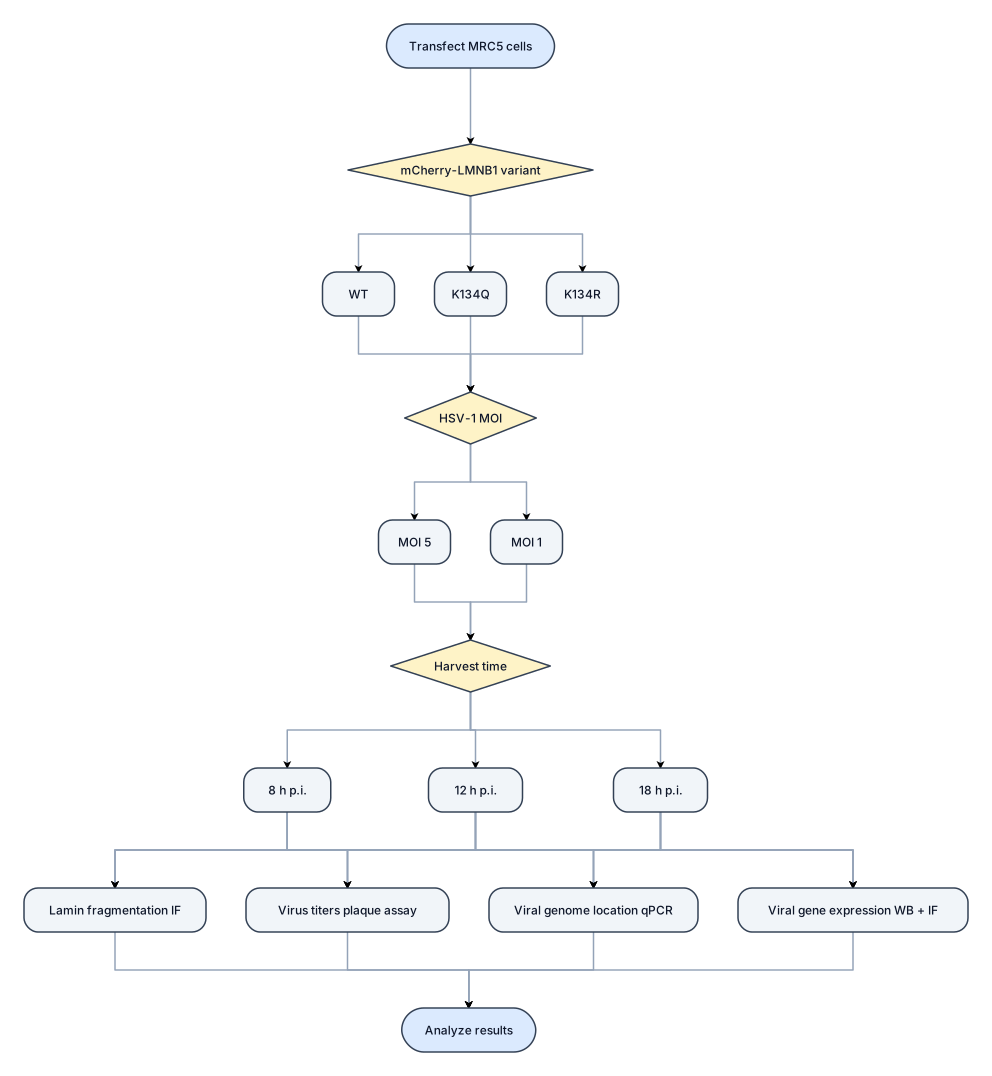
flow chart for these Transfect MRC5 cells with mCherry-LMNB1:WT, K134Q, or K134R. Infect the cells with HSV-1 at MOI 5 or MOI 1. Harvest the cells at 8, 12, and 18 h post infection. Test for: - Lamin fragmentation using immunofluorescence microscopy - Virus titers using a plaque assay - Location of viral genome by qPCR after fractionating the sample - Viral gene expression by western blot and immunofluorescence
NODE ARCHIVE · REAL DIAGRAM BRIEFS
Diagram Examples from Real Visitor Prompts
Browse eligible diagrams shared by FreeDiagram visitors, inspect the exact prompts, and build your own version.
Browse 987 real creationsCOMMUNITY OUTPUTS · EXACT PROMPTS
Main diagram studio
Showing 577–589 of 589. No stock examples or system defaults. Choose a tool, study a real result, then reopen its prompt as your starting point.
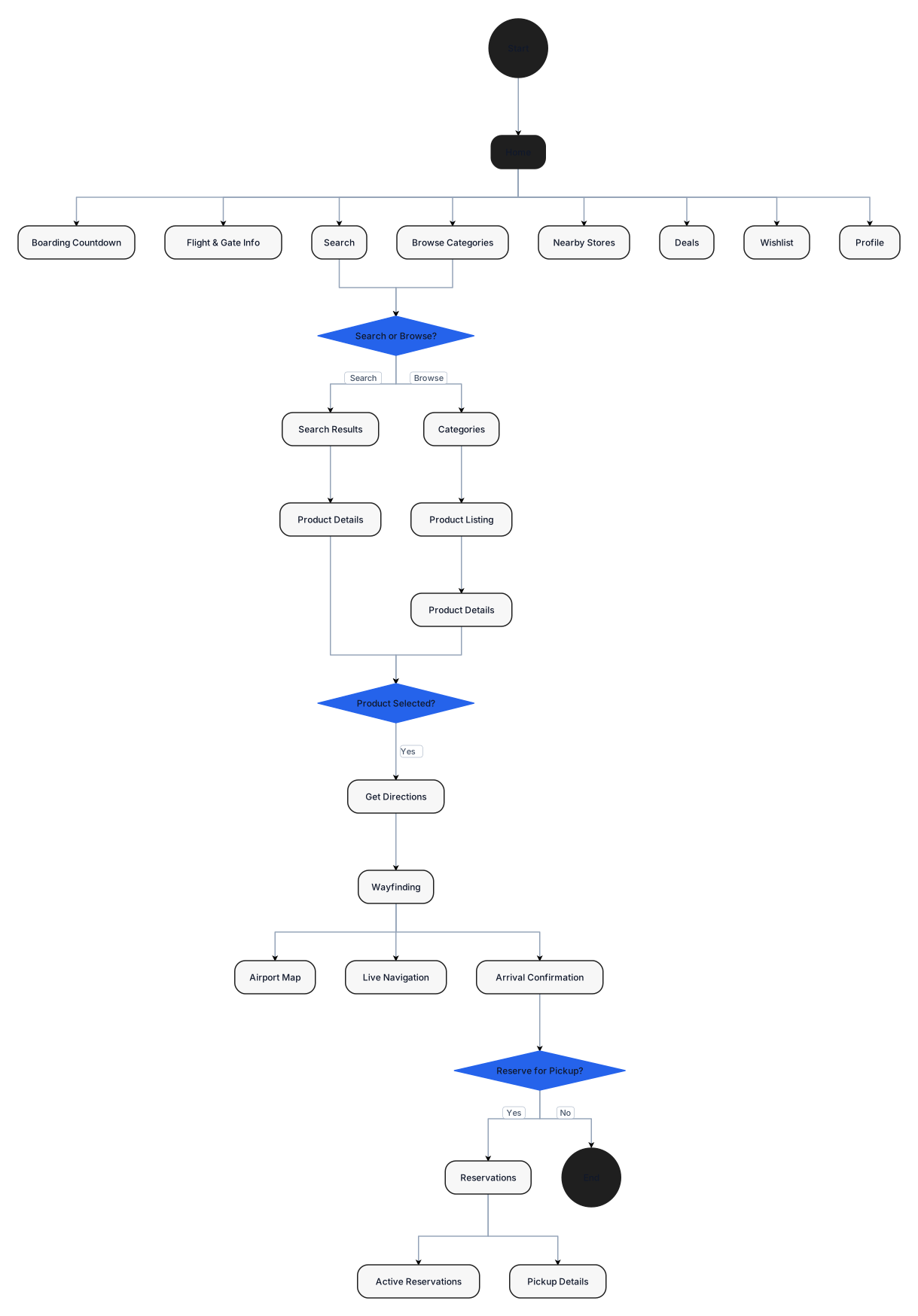
Create a premium UX Information Architecture / User Flow for a mobile Airport Duty-Free Shopping App. The diagram should resemble a professional Behance or Figma case study, with a clean, modern layout, generous whitespace, rounded connectors, and balanced spacing that fits comfortably on a 16:9 presentation slide. Use only three colours: Charcoal (#1F1F1F) for primary screens (rounded rectangles) White / Light Grey (#F7F7F7) for secondary screens (rectangles with subtle dark borders) Royal Blue (#2563EB) for decision nodes (diamonds) Shape Rules Circle → Start and End Rounded Rectangle (Charcoal) → Main application screens Rectangle (Light Grey) → Supporting screens or child pages Diamond (Blue) → User decisions or branching logic only Do not use different colours for every node. Colour should communicate importance, not decoration. Keep the diagram compact, mostly vertical with slight horizontal branching. Avoid unnecessary loops, excessive connectors, and crossed lines. Use smooth curved connectors with consistent spacing. The architecture should include: Start ↓ Home Boarding Countdown Flight & Gate Info Search Browse Categories Nearby Stores Deals ↓ 🔷 Search or Browse? Search Search Results Product Details OR Browse Categories Product Listing Product Details ↓ 🔷 Product Selected? Product Details ↓ Get Directions ↓ Wayfinding Airport Map Live Navigation Arrival Confirmation ↓ 🔷 Reserve for Pickup? Reservations Active Reservations Pickup Details Additional sections: Wishlist Profile The final result should look like a polished product design presentation, with minimal colours, consistent node sizing, clear visual hierarchy, and an emphasis on readability over complexity.
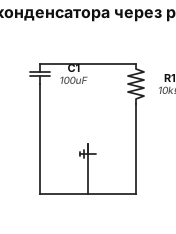
электрическая схема: разрядить конденсатор через резистор 10 кОм
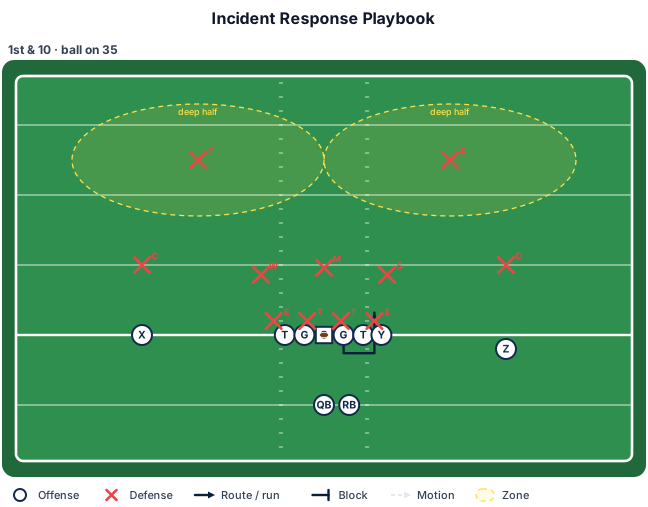
A customer incident response playbook from alert triage through mitigation, communication, and retrospective
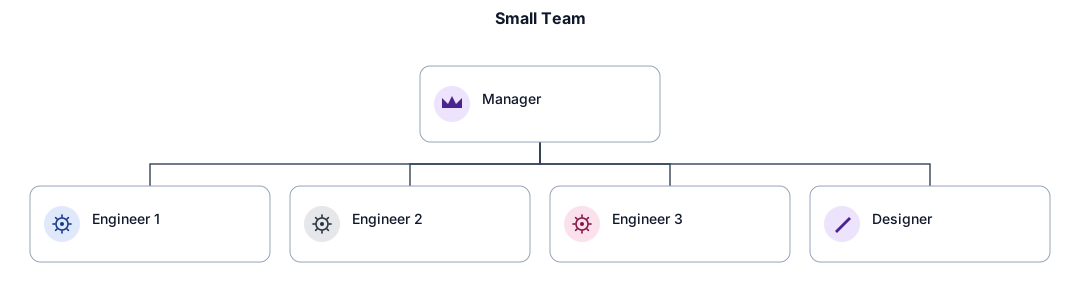
An org chart for a small team with a manager, three engineers, and a designer
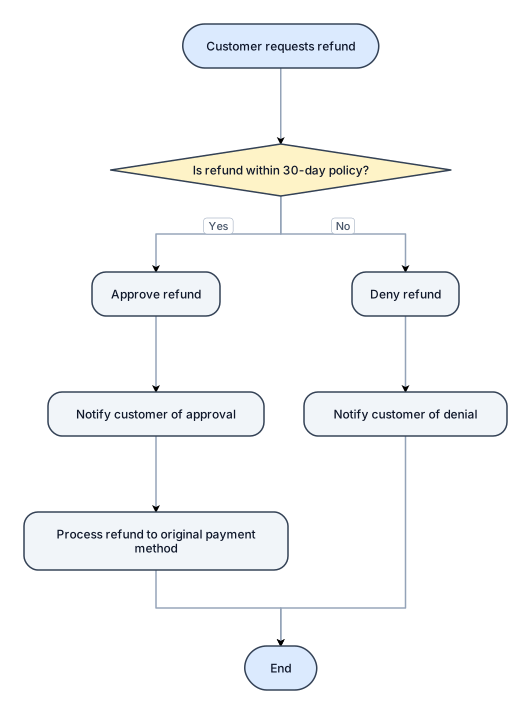
A flowchart for handling a customer refund request, with approve and deny paths

A mind map for planning a two-week trip — flights, hotels, activities, and budget
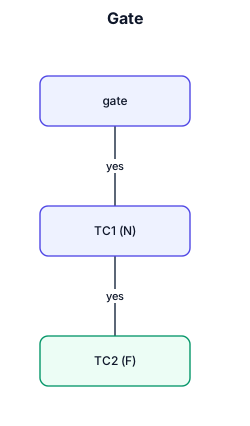
give me a tree like structure. where top/root is a node with name "gate". it child is "TC1 (N)". its child is now "TC2 (F)"
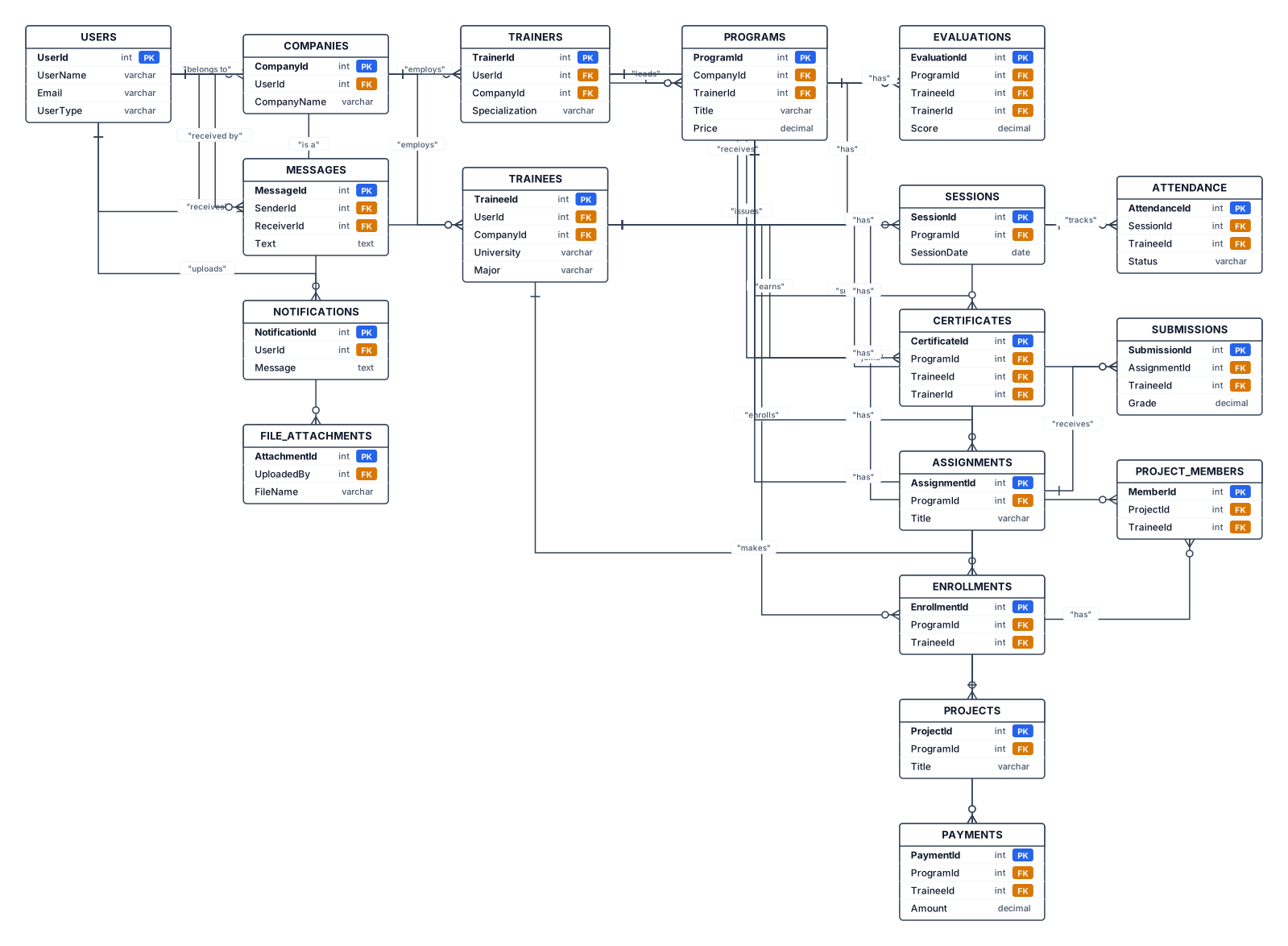
ERD for Training Management System. PK/FK included. Entities: - USERS: UserId(PK), UserName, Email, UserType - COMPANIES: CompanyId(PK), UserId(FK), CompanyName - TRAINERS: TrainerId(PK), UserId(FK), CompanyId(FK), Specialization - TRAINEES: TraineeId(PK), UserId(FK), CompanyId(FK), University, Major - PROGRAMS: ProgramId(PK), CompanyId(FK), TrainerId(FK), Title, Price - SESSIONS: SessionId(PK), ProgramId(FK), SessionDate - ATTENDANCE: AttendanceId(PK), SessionId(FK), TraineeId(FK), Status - ASSIGNMENTS: AssignmentId(PK), ProgramId(FK), Title - SUBMISSIONS: SubmissionId(PK), AssignmentId(FK), TraineeId(FK), Grade - ENROLLMENTS: EnrollmentId(PK), ProgramId(FK), TraineeId(FK) - PAYMENTS: PaymentId(PK), ProgramId(FK), TraineeId(FK), Amount - EVALUATIONS: EvaluationId(PK), ProgramId(FK), TraineeId(FK), TrainerId(FK), Score - CERTIFICATES: CertificateId(PK), ProgramId(FK), TraineeId(FK), TrainerId(FK) - PROJECTS: ProjectId(PK), ProgramId(FK), Title - PROJECT_MEMBERS: MemberId(PK), ProjectId(FK), TraineeId(FK) - MESSAGES: MessageId(PK), SenderId(FK), ReceiverId(FK), Text - NOTIFICATIONS: NotificationId(PK), UserId(FK), Message - FILE_ATTACHMENTS: AttachmentId(PK), UploadedBy(FK), FileName Relations: Users link to companies, trainers, trainees. Programs have sessions, assignments, enrollments, payments, evaluations, certificates, projects. Trainees interact with attendance, submissions, projects, messages.
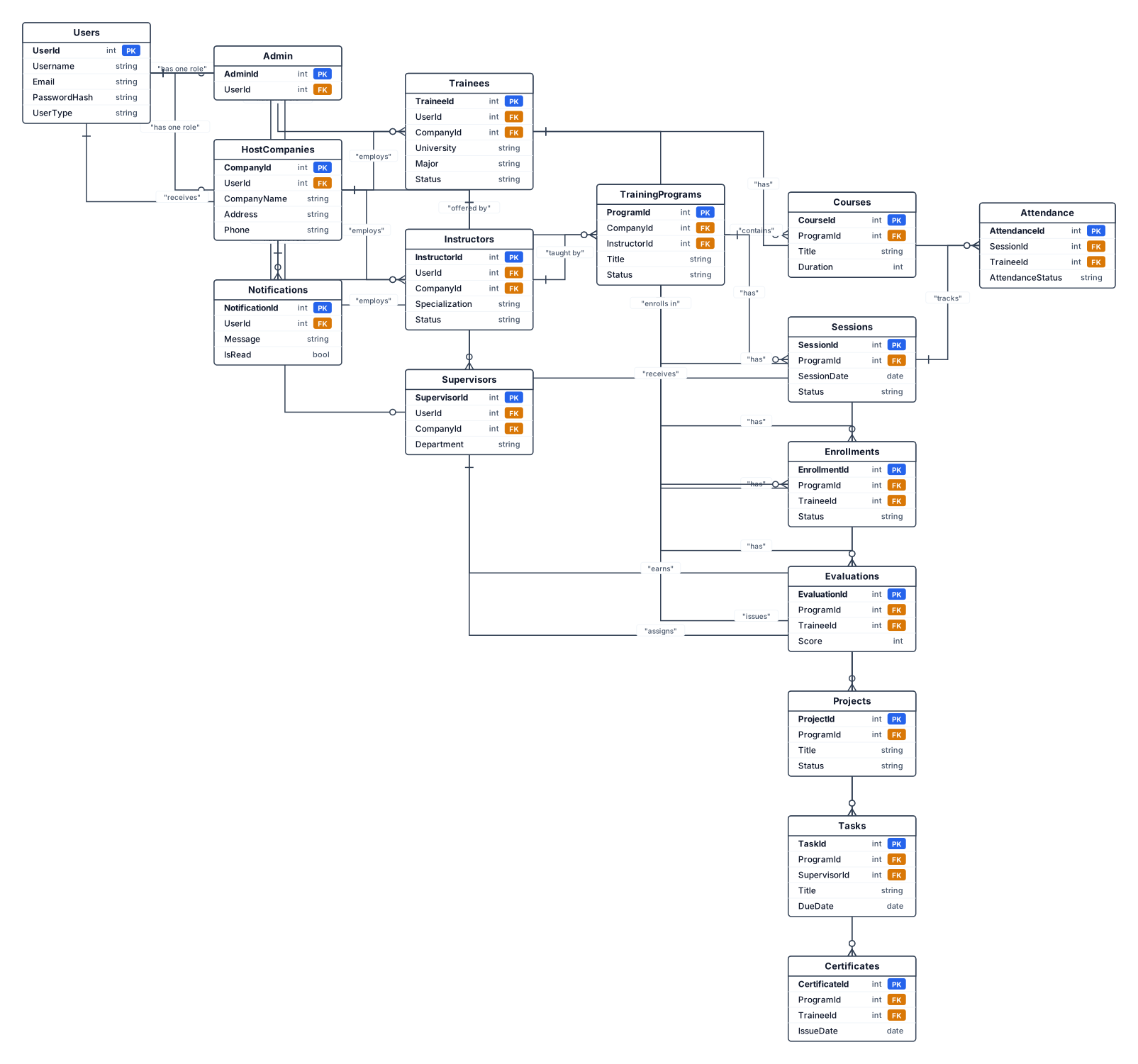
ERD for Training Management System. Show primary keys, foreign keys, and Crow's Foot notation. Entities & Attributes: - Users: UserId(PK), Username, Email, PasswordHash, UserType - Admin: AdminId(PK), UserId(FK) - Trainees: TraineeId(PK), UserId(FK), CompanyId(FK), University, Major, Status - Instructors: InstructorId(PK), UserId(FK), CompanyId(FK), Specialization, Status - HostCompanies: CompanyId(PK), UserId(FK), CompanyName, Address, Phone - Supervisors: SupervisorId(PK), UserId(FK), CompanyId(FK), Department - TrainingPrograms: ProgramId(PK), CompanyId(FK), InstructorId(FK), Title, Status - Courses: CourseId(PK), ProgramId(FK), Title, Duration - Sessions: SessionId(PK), ProgramId(FK), SessionDate, Status - Enrollments: EnrollmentId(PK), ProgramId(FK), TraineeId(FK), Status - Attendance: AttendanceId(PK), SessionId(FK), TraineeId(FK), AttendanceStatus - Evaluations: EvaluationId(PK), ProgramId(FK), TraineeId(FK), Score - Projects: ProjectId(PK), ProgramId(FK), Title, Status - Tasks: TaskId(PK), ProgramId(FK), SupervisorId(FK), Title, DueDate - Certificates: CertificateId(PK), ProgramId(FK), TraineeId(FK), IssueDate - Notifications: NotificationId(PK), UserId(FK), Message, IsRead Relationships: - User has one role. - HostCompany has many Supervisors, Instructors, and Trainees. - TrainingProgram has many Courses and Sessions. - Instructor teaches many Sessions. - Trainee enrolls in many Programs, has attendance, evaluations, and certificates. - Supervisor assigns many Tasks.
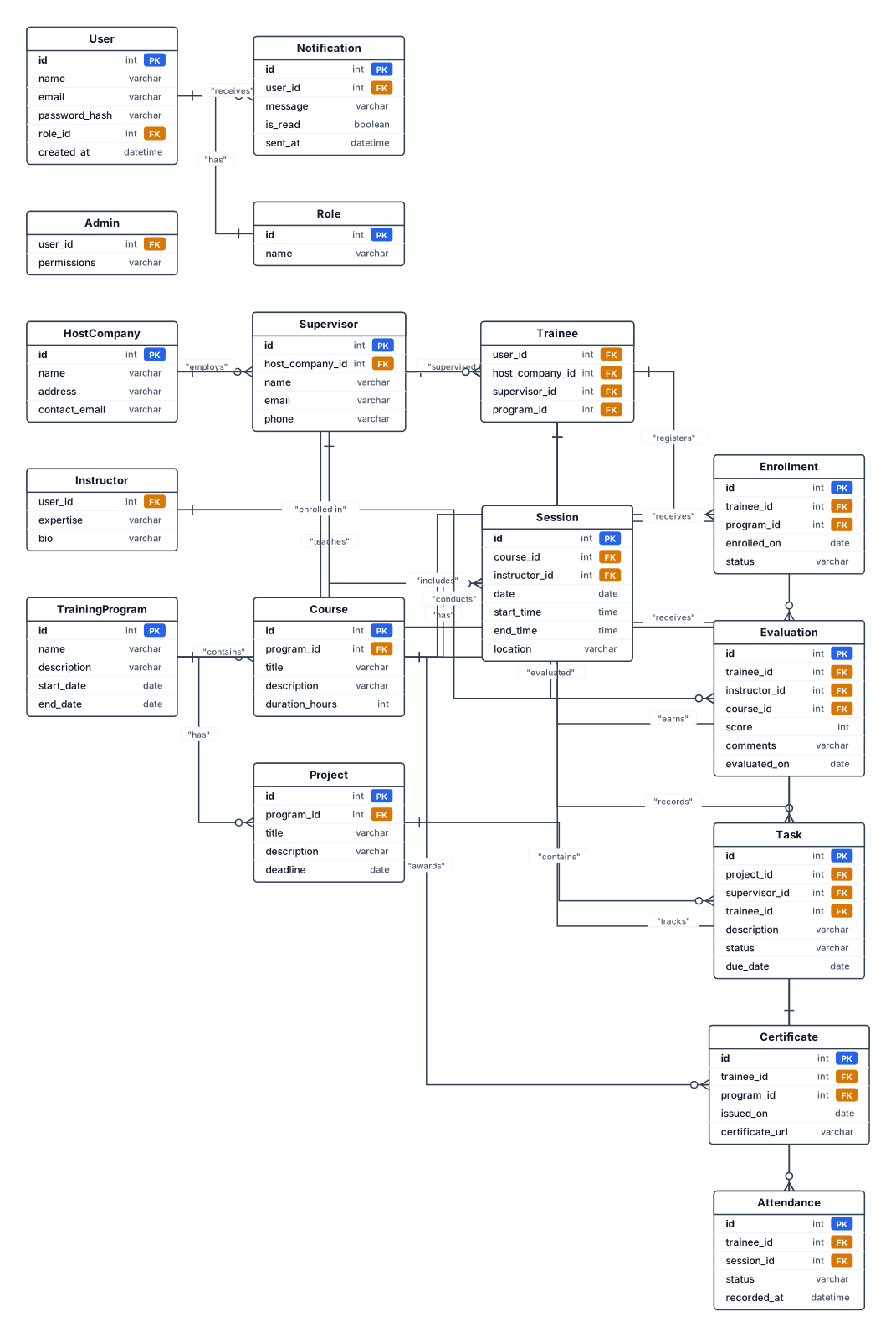
Create an ER Diagram for a Training Management System. Entities: User, Admin, Trainee, Instructor, HostCompany, Supervisor, TrainingProgram, Course, Enrollment, Attendance, Evaluation, Project, Task, Certificate, Notification. Relationships: One User has one role. One Company has many Supervisors. One Program has many Courses. One Course has many Sessions. One Instructor teaches many Sessions. One Trainee enrolls in many Programs. One Trainee has many Attendance records. One Supervisor assigns many Tasks. One Trainee receives Evaluations and one Certificate. Show primary keys, foreign keys, and crow's foot notation.
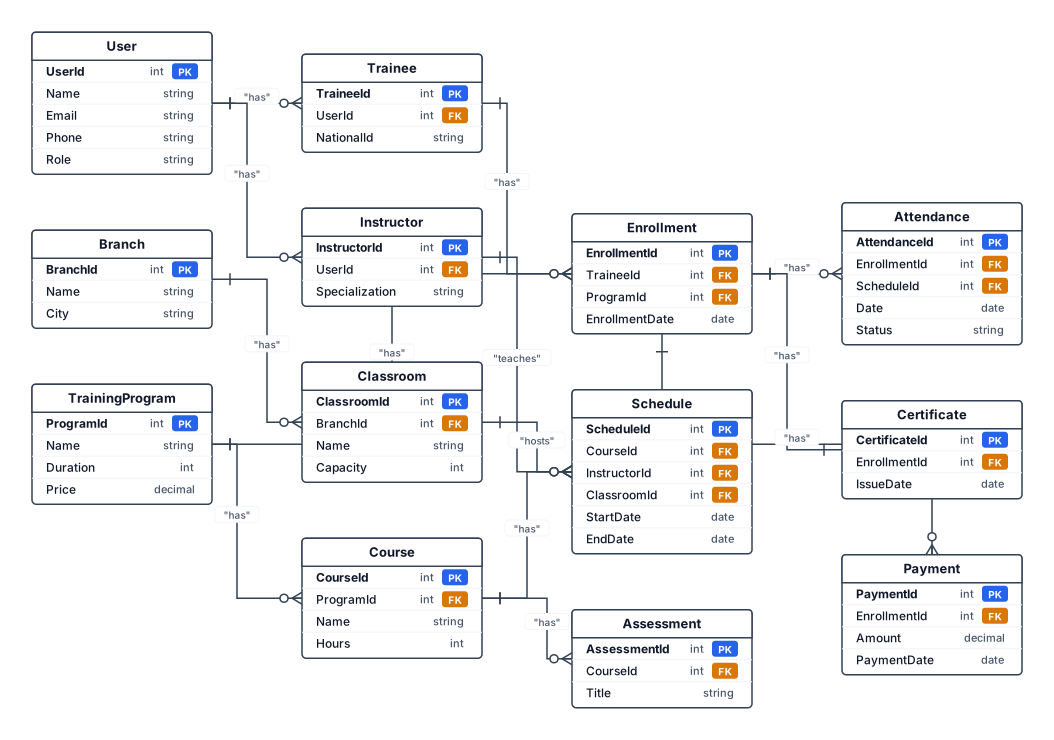
Create an ER Diagram for a Training Academy Management System. Entities: User (UserId, Name, Email, Phone, Role) Trainee (TraineeId, UserId, NationalId) Instructor (InstructorId, UserId, Specialization) TrainingProgram (ProgramId, Name, Duration, Price) Course (CourseId, ProgramId, Name, Hours) Branch (BranchId, Name, City) Classroom (ClassroomId, BranchId, Name, Capacity) Schedule (ScheduleId, CourseId, InstructorId, ClassroomId, StartDate, EndDate) Enrollment (EnrollmentId, TraineeId, ProgramId, EnrollmentDate) Attendance (AttendanceId, EnrollmentId, ScheduleId, Date, Status) Assessment (AssessmentId, CourseId, Title) Certificate (CertificateId, EnrollmentId, IssueDate) Payment (PaymentId, EnrollmentId, Amount, PaymentDate) Relationships: - One User has one Trainee or one Instructor. - One Branch has many Classrooms. - One Training Program has many Courses. - One Course has many Schedules. - One Instructor teaches many Schedules. - One Classroom hosts many Schedules. - One Trainee has many Enrollments. - One Program has many Enrollments. - One Enrollment has many Attendance records. - One Course has many Assessments. - One Enrollment has one Certificate. - One Enrollment has many Payments. Show primary keys, foreign keys, and crow's foot notation.

Crea un diagrama de Ishikawa (espina de pescado / fishbone diagram) en formato horizontal, estilo profesional y limpio, en tonos verdes, azules y grises corporativos. En la cabeza del pez (extremo derecho), coloca el efecto/problema principal en un recuadro destacado: "Deficiente gestión del sistema de almacenamiento en la cadena de suministro del coco: pérdida de trazabilidad, deterioro de producto y cuellos de botella operativos" La espina central debe tener 6 espinas diagonales (3 arriba, 3 abajo), cada una representando una categoría de las 6M, con su lista de causas en texto pequeño junto a cada espina: Espinas superiores: Mano de Obra — Falta de capacitación en manejo de perecederos y FIFO · Ausencia de turnos programados · Alta rotación de personal Métodos — Sin procedimiento estandarizado de codificación FIFO · Sin programación de citas de camiones · Sin protocolo de control de temperatura Maquinaria — Cámaras de refrigeración sin mantenimiento preventivo · Sin sensores de monitoreo en tiempo real · Montacargas insuficientes Espinas inferiores: Materiales — Empaques sin codificación de vencimiento/lote · Pallets no estandarizados · Sin tecnología de trazabilidad (RFID/QR) Medición — Sin KPIs en tiempo real de temperatura y ocupación · Sin indicador de mermas · Sin sistema WMS Medio Ambiente — Altas temperaturas de la Costa Caribe · Almacén sin diseño térmico óptimo · Estacionalidad de cosecha genera picos de llegada Usa íconos pequeños junto a cada categoría (persona para Mano de Obra, engranaje para Métodos, máquina para Maquinaria, caja para Materiales, gráfico para Medición, hoja/termómetro para Medio Ambiente). Incluye un título en la parte superior: "Diagrama de Ishikawa – Cadena de Suministro del Coco" y un pie de página pequeño: "Elaborado por: Mario – UNAD". Estilo: diagrama técnico de análisis causa-efecto, formato horizontal apto para insertar en documento Word o PDF, con espacio suficiente para leer el texto de cada causa.
Focused examples and prompt ideas
Start with the complete visitor wall above, then use these focused collections when you want a narrower subject and more prompt context.
The first curated collection is being prepared.