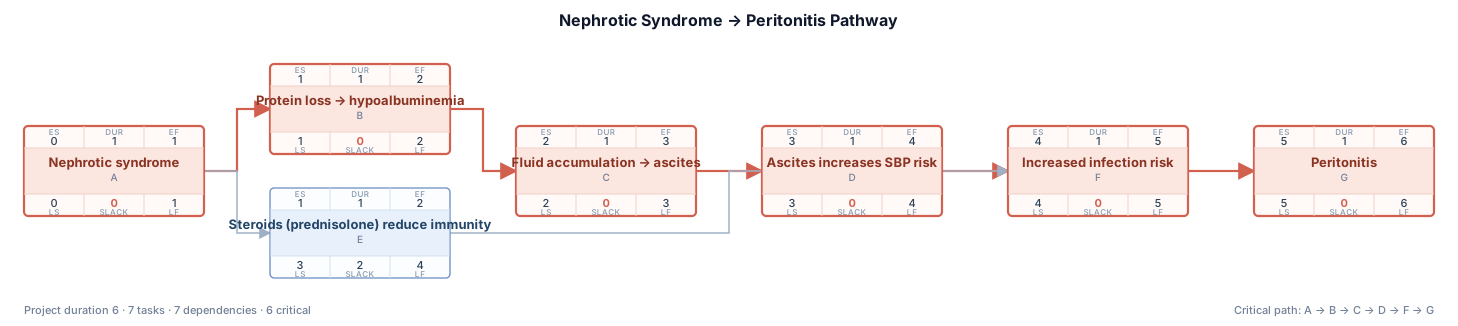
* في nephrotic syndrome يحدث: 1. فقدان بروتينات يؤدي إلى hypoalbuminemia 2. تجمع سوائل في البطن → ascites 3. وجود ascites يزيد خطر spontaneous bacterial peritonitis 4. استخدام steroids (prednisolone) قد يقلل المناعة ويزيد خطر العدوى end: peritonitis
NODE ARCHIVE · REAL DIAGRAM BRIEFS
Diagram Examples from Real Visitor Prompts
Browse eligible diagrams shared by FreeDiagram visitors, inspect the exact prompts, and build your own version.
Browse 3285 real creationsCOMMUNITY OUTPUTS · EXACT PROMPTS
Main diagram studio
Showing 1057–1080 of 1261. No stock examples or system defaults. Choose a tool, study a real result, then reopen its prompt as your starting point.
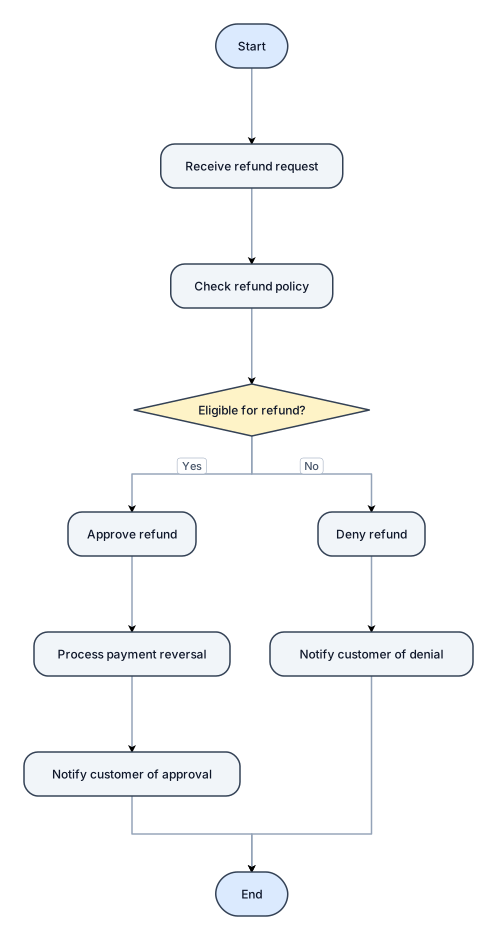
A flowchart for handling a customer refund request, with approve and deny paths
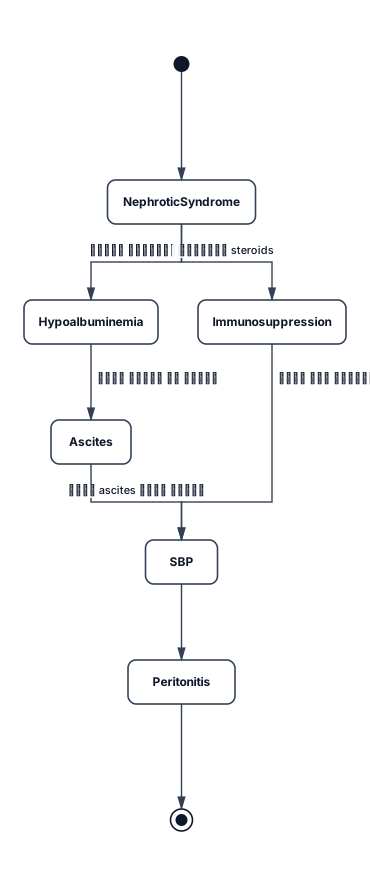
* في nephrotic syndrome يحدث: 1. فقدان بروتينات يؤدي إلى hypoalbuminemia 2. تجمع سوائل في البطن → ascites 3. وجود ascites يزيد خطر spontaneous bacterial peritonitis 4. استخدام steroids (prednisolone) قد يقلل المناعة ويزيد خطر العدوى end: peritonitis
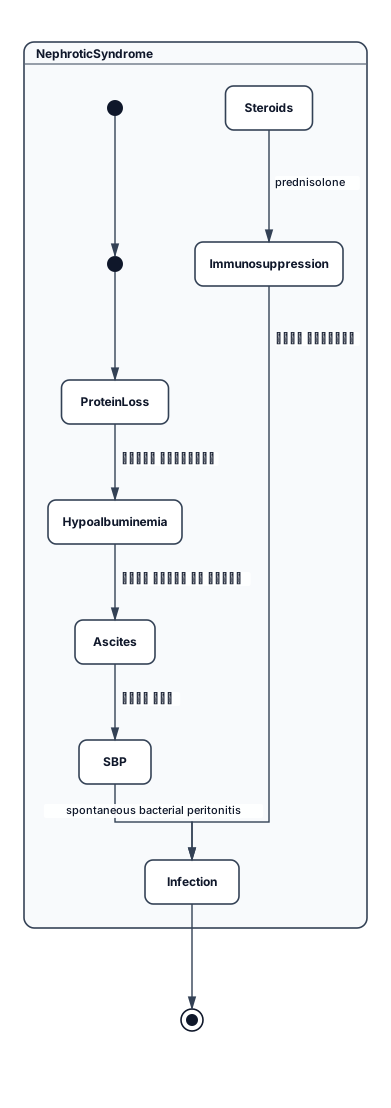
* في nephrotic syndrome يحدث: 1. فقدان بروتينات يؤدي إلى hypoalbuminemia 2. تجمع سوائل في البطن → ascites 3. وجود ascites يزيد خطر spontaneous bacterial peritonitis 4. استخدام steroids (prednisolone) قد يقلل المناعة ويزيد خطر العدوى
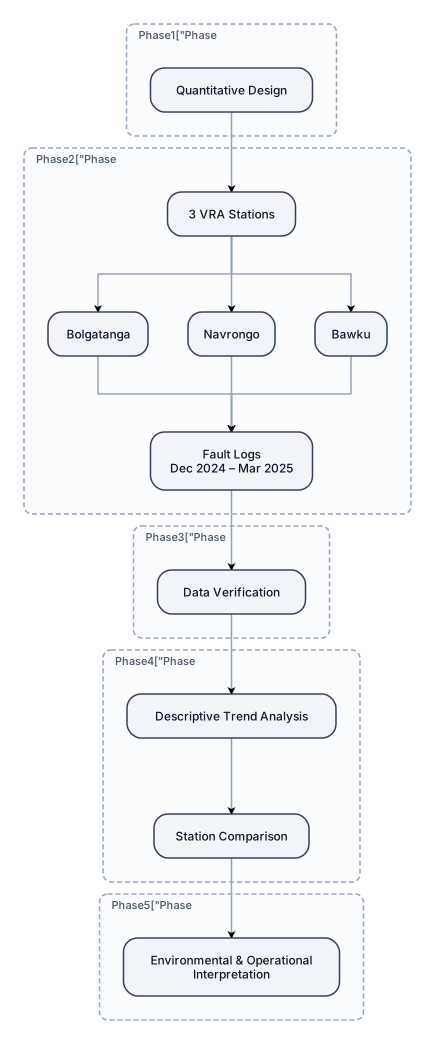
Quantitative Design → 3 VRA Stations (Bolgatanga, Navrongo, Bawku) → Fault Logs (Dec 2024–Mar 2025) → Data Verification → Descriptive Trend Analysis → Station Comparison → Environmental & Operational Interpretation. design it for academic conference paper
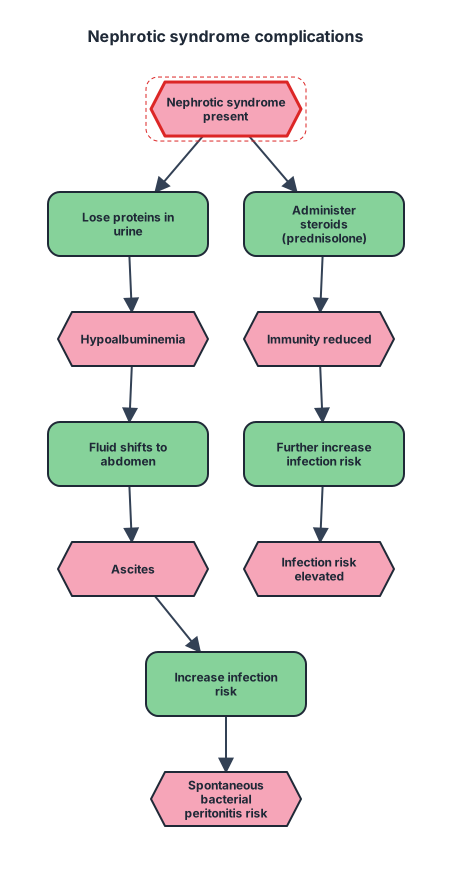
* في nephrotic syndrome يحدث: 1. فقدان بروتينات يؤدي إلى hypoalbuminemia 2. تجمع سوائل في البطن → ascites 3. وجود ascites يزيد خطر spontaneous bacterial peritonitis 4. استخدام steroids (prednisolone) قد يقلل المناعة ويزيد خطر العدوى
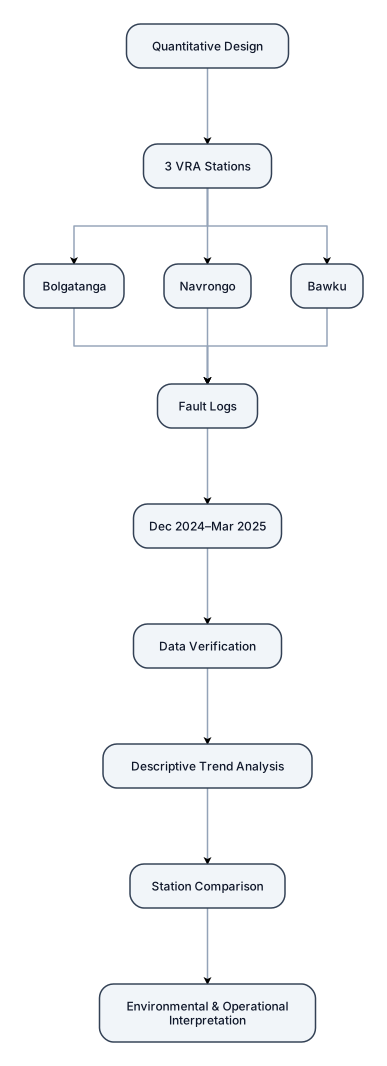
Quantitative Design → 3 VRA Stations (Bolgatanga, Navrongo, Bawku) → Fault Logs (Dec 2024–Mar 2025) → Data Verification → Descriptive Trend Analysis → Station Comparison → Environmental & Operational Interpretation
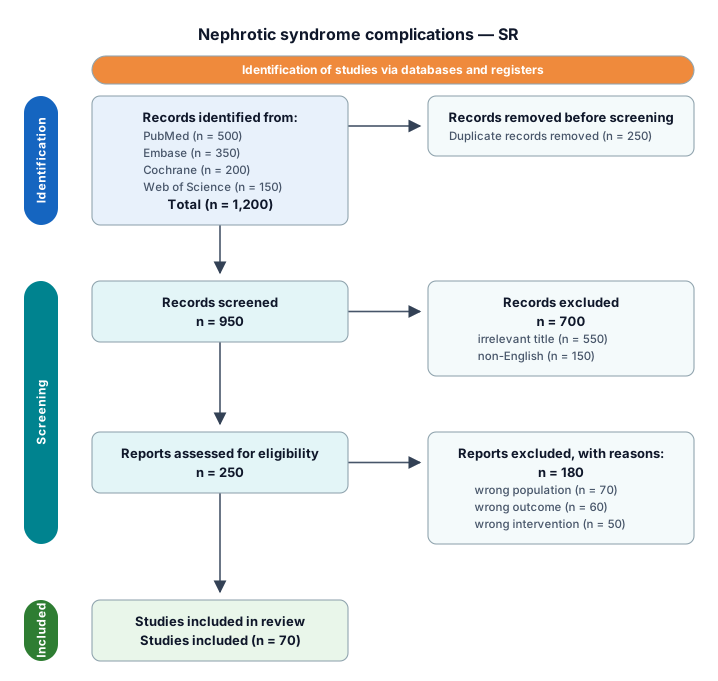
* في nephrotic syndrome يحدث: 1. فقدان بروتينات يؤدي إلى hypoalbuminemia 2. تجمع سوائل في البطن → ascites 3. وجود ascites يزيد خطر spontaneous bacterial peritonitis 4. استخدام steroids (prednisolone) قد يقلل المناعة ويزيد خطر العدوى
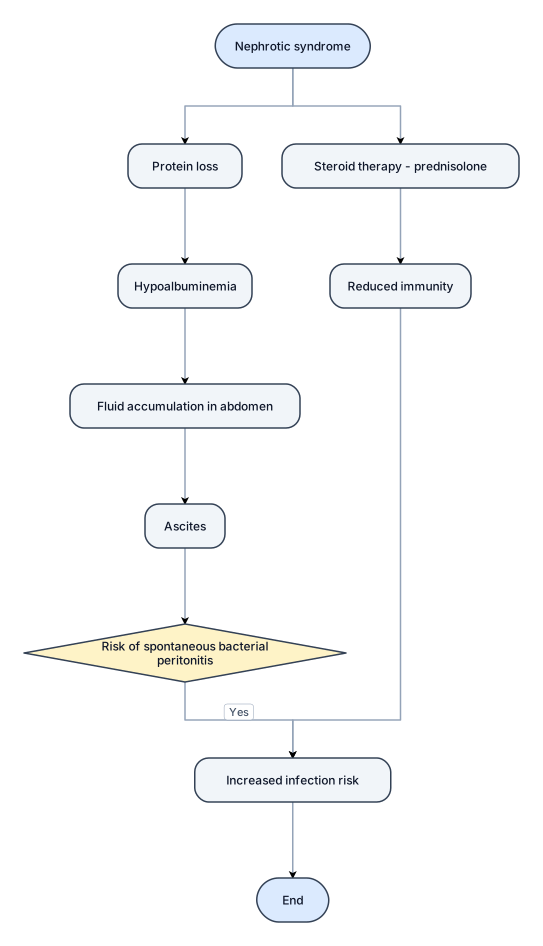
* في nephrotic syndrome يحدث: 1. فقدان بروتينات يؤدي إلى hypoalbuminemia 2. تجمع سوائل في البطن → ascites 3. وجود ascites يزيد خطر spontaneous bacterial peritonitis 4. استخدام steroids (prednisolone) قد يقلل المناعة ويزيد خطر العدوى
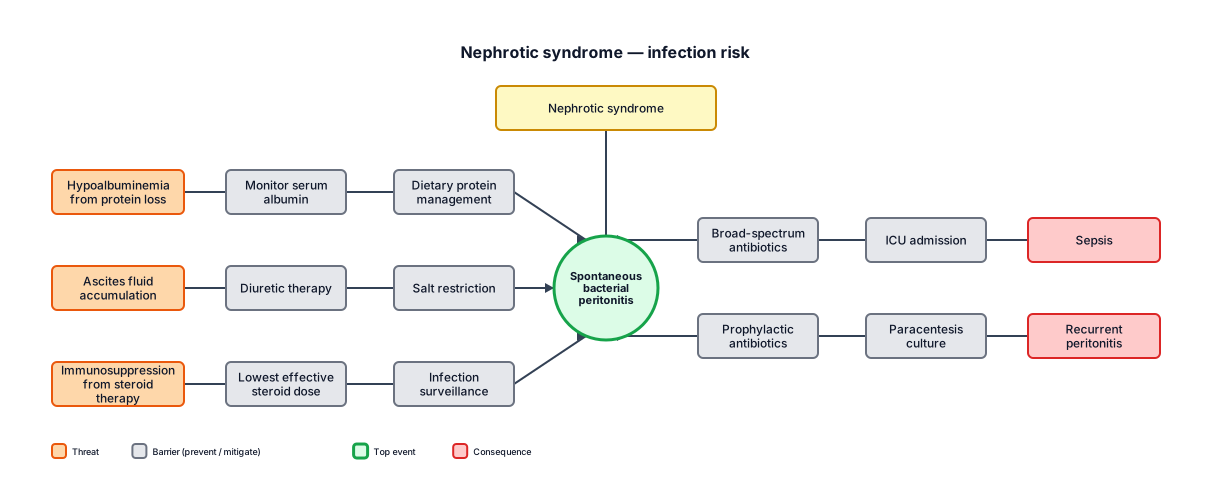
* في nephrotic syndrome يحدث: 1. فقدان بروتينات يؤدي إلى hypoalbuminemia 2. تجمع سوائل في البطن → ascites 3. وجود ascites يزيد خطر spontaneous bacterial peritonitis 4. استخدام steroids (prednisolone) قد يقلل المناعة ويزيد خطر العدوى
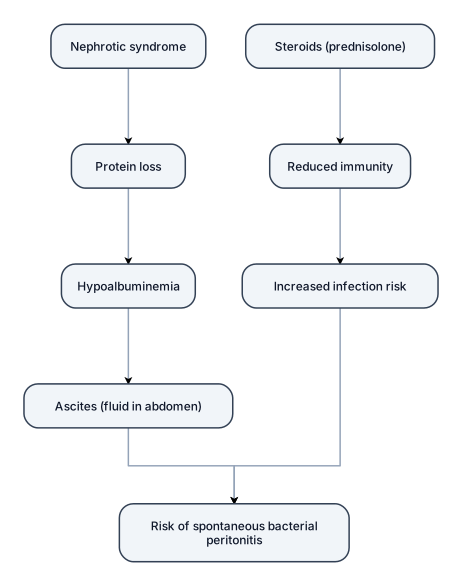
* في nephrotic syndrome يحدث: 1. فقدان بروتينات يؤدي إلى hypoalbuminemia 2. تجمع سوائل في البطن → ascites 3. وجود ascites يزيد خطر spontaneous bacterial peritonitis 4. استخدام steroids (prednisolone) قد يقلل المناعة ويزيد خطر العدوى

make me a fish bone diagram
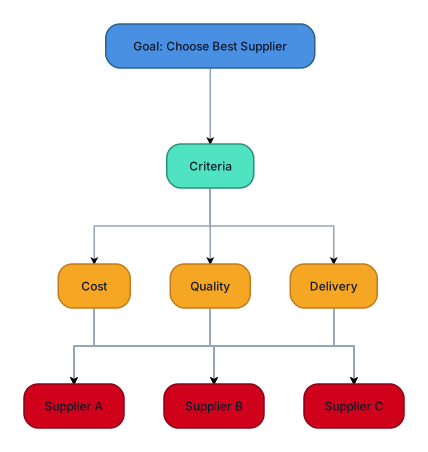
Create a coloured AHP diagram.
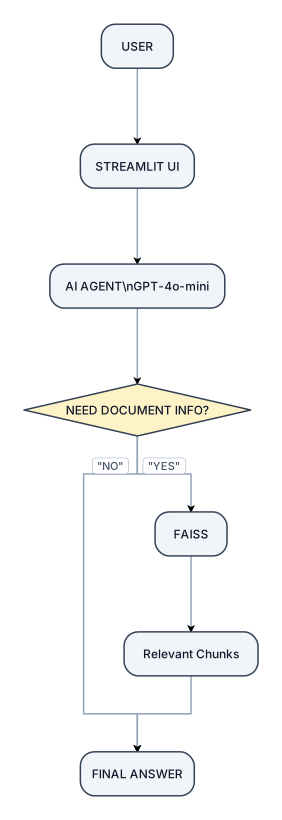
┌──────────┐ ┌─────────────┐ ┌─────────────┐ │ USER │ → │ STREAMLIT UI│ → │ AI AGENT │ └──────────┘ └─────────────┘ │ GPT-4o-mini │ └──────┬──────┘ │ ┌──────────▼──────────┐ │ NEED DOCUMENT INFO? │ └──────────┬──────────┘ NO ↙ ↘ YES │ │ │ ▼ │ ┌───────────┐ │ │ FAISS │ │ └─────┬─────┘ │ ▼ │ ┌───────────┐ │ │ Relevant │ │ │ Chunks │ │ └─────┬─────┘ │ │ └────┬───┘ ▼ ┌─────────────┐ │FINAL ANSWER │ └─────────────┘ create an image of this
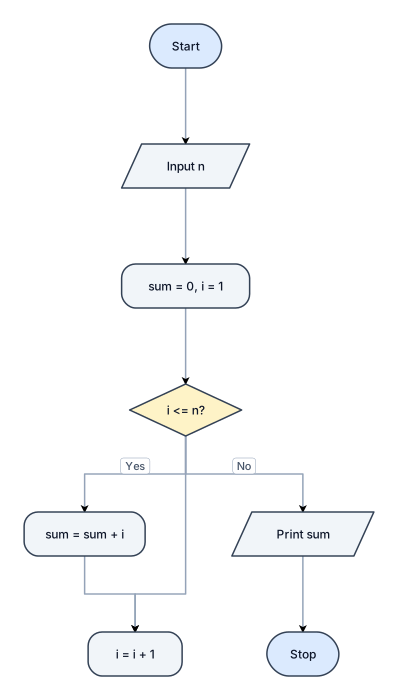
draw a flowchart for code on giving sum of n natural numbers where n is user given input
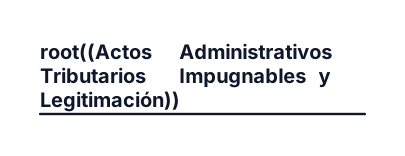
Mapa conceptual de ACTOS ADMINISTRATIVOS TRIBUTARIOS IMPUGNABLES Y LEGITIMACIÓN PARA IMPUGNAR
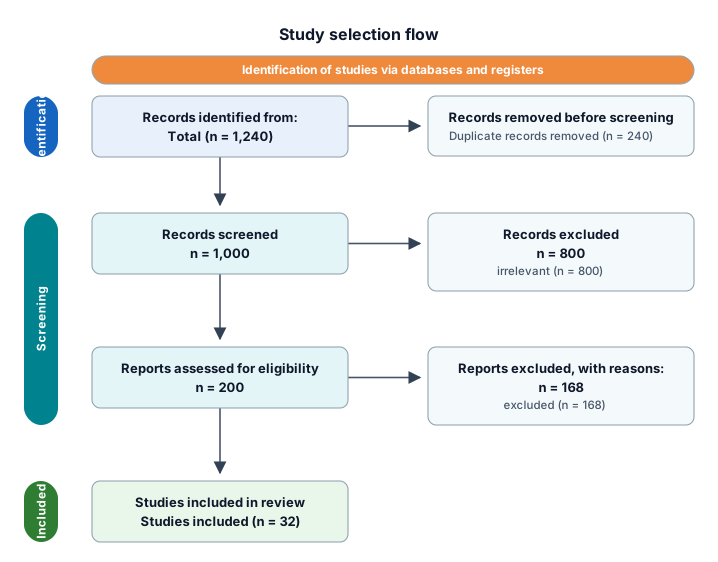
A PRISMA study-selection flow from 1,240 identified records through deduplication, screening, eligibility, and 32 included studies

Create a clear scientific biochemistry illustration showing the autoxidation of a polyphenol and the formation of reactive oxygen species. Show a polyphenol with a catechol group on the left. The polyphenol is oxidized and transfers an electron to O₂, forming a semiquinone radical and superoxide (O₂•⁻). Then show superoxide radicals reacting with each other, resulting in the formation of H₂O₂ and O₂. Clearly visualize the electron transfer with arrows and label the key intermediates: Polyphenol → semiquinone radical → O₂•⁻ → H₂O₂ + O₂ Include transition metal ions (Fe²⁺/Cu⁺) as facilitators of the reaction. Use a clean, modern university-level biochemistry style, with a white background, subtle colors, clear arrows, and minimal text.
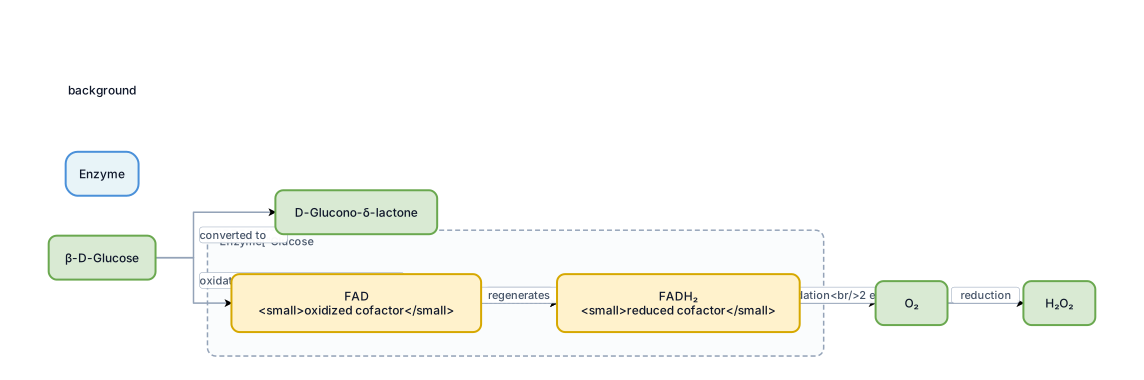
Create a clean, modern and scientifically accurate biochemistry infographic showing how glucose oxidase (GOx) produces H₂O₂. Show the complete process as one clear continuous diagram with connected arrows, rather than separate stages. Use a white background, soft blue and green colors, professional scientific typography, and plenty of space. Show GOx with its bound FAD cofactor. Glucose is oxidized and transfers 2 e⁻ to FAD, forming FADH₂. Glucose is converted to gluconolactone. Then O₂ accepts the 2 electrons from FADH₂, regenerating FAD and producing H₂O₂. Clearly visualize the electron transfer: Glucose → FAD → FADH₂ → O₂ → H₂O₂ Make the connection between GOx, FAD, glucose, O₂ and H₂O₂ very clear. Use simple molecular symbols and short labels. Keep the design scientific, elegant, spacious and easy to understand, like a high-quality university biochemistry textbook illustration.
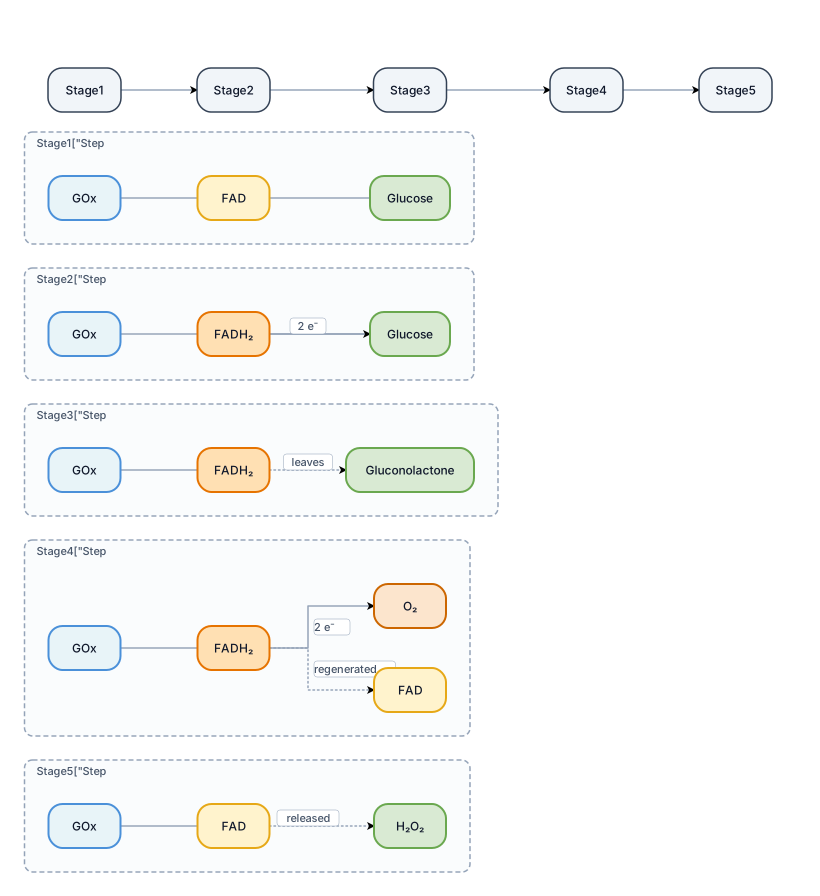
Create a clean, modern and scientifically accurate biochemistry infographic showing how glucose oxidase (GOx) produces H₂O₂. Use a horizontal step-by-step layout with 5 clearly separated stages, connected by arrows. White background, soft blue/green colors, professional scientific style, clean typography, plenty of space, no clutter. Step 1: GOx with its bound FAD cofactor + glucose Step 2: Glucose is oxidized and transfers 2 e⁻ to FAD → FADH₂ Step 3: Glucose becomes gluconolactone and leaves the enzyme Step 4: O₂ reacts with GOx–FADH₂ → FADH₂ transfers 2 e⁻ to O₂ → FAD is regenerated Step 5: H₂O₂ is formed Show the electron transfer clearly with small e⁻ arrows: Glucose → FAD → FADH₂ → O₂ → H₂O₂ Make it immediately clear that FAD remains bound to GOx and acts as an electron carrier. Use short labels and simple molecular symbols rather than complex chemical structures. The final result should look like a high-quality university textbook illustration, not a decorative poster.

Create a clean, modern scientific infographic about the enzymatic production of H₂O₂ by glucose oxidase (GOx). Use a horizontal flow diagram with 4–5 large, clearly separated steps. Use a minimal white background, soft blue and green colors, simple professional icons, thin arrows, and clean modern typography. Make it look like a high-quality university biochemistry textbook figure. Show only the key process: Glucose → FAD → FADH₂ → O₂ → H₂O₂ Clearly show the electron transfer with small e⁻ arrows. Show FAD as a cofactor bound to GOx. Keep the diagram simple, spacious and uncluttered, with no unnecessary molecular structures or decorative elements.
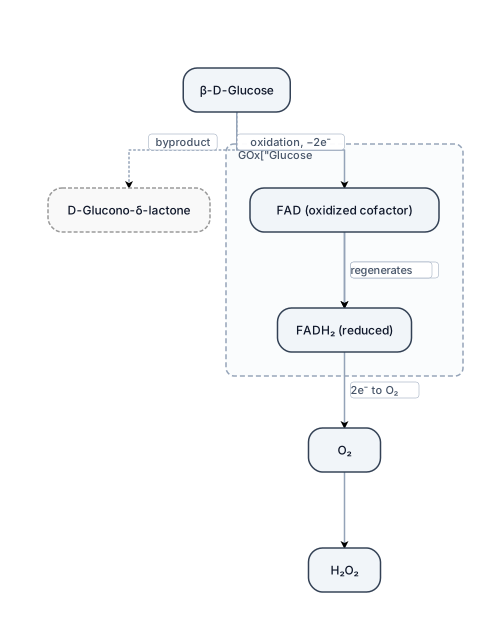
Create a simple, scientifically accurate diagram of H₂O₂ production by glucose oxidase (GOx). Show the process step by step: Glucose → oxidation → FAD → FADH₂ → O₂ → H₂O₂ Show that FAD is a cofactor bound to GOx. Glucose transfers 2 electrons to FAD, forming FADH₂. FADH₂ then transfers the 2 electrons to O₂, regenerating FAD and producing H₂O₂. Use clear arrows, short labels, and a clean university-level biochemistry style.
without steps above
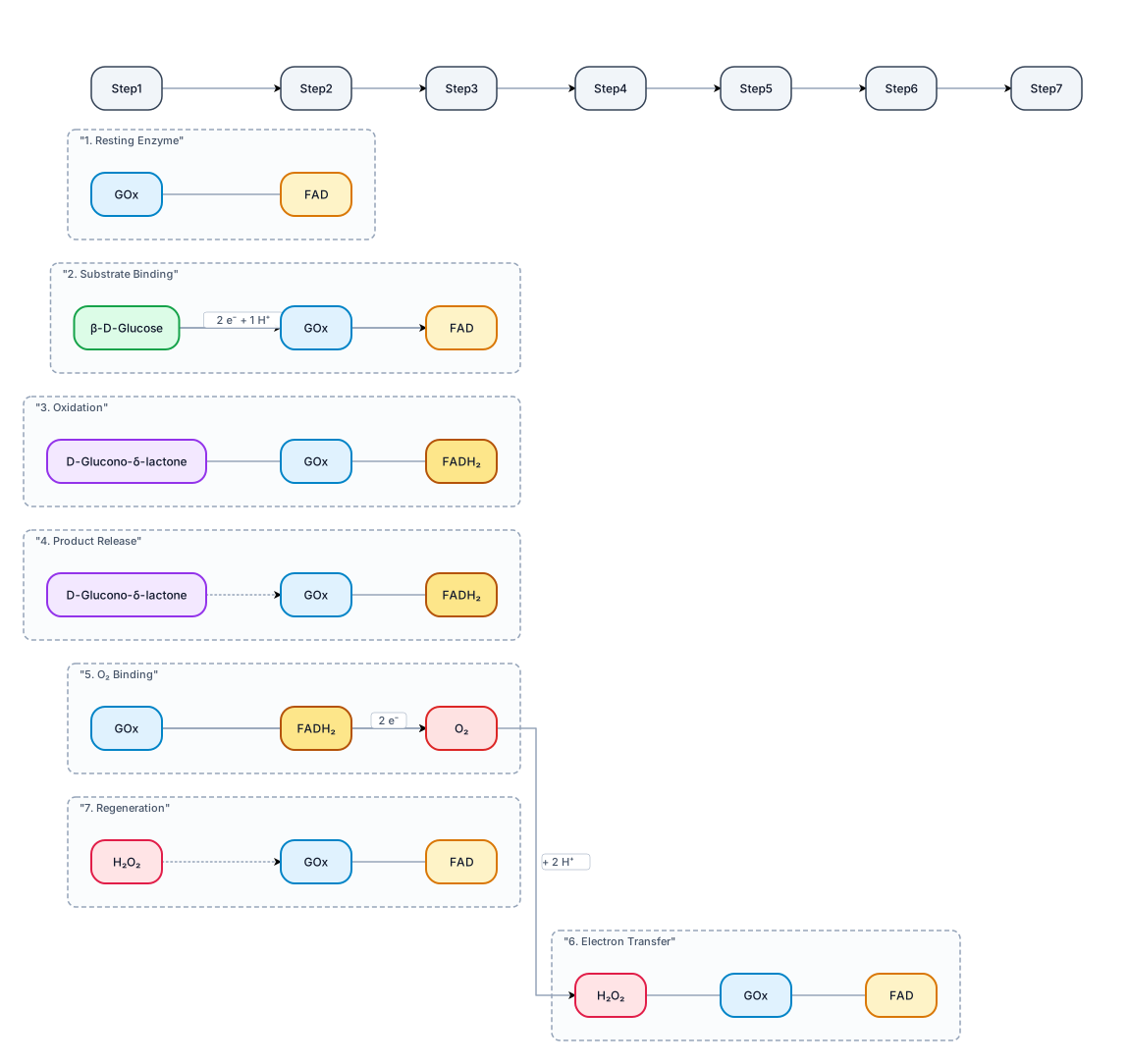
Create a clear and scientifically accurate biochemistry diagram showing the enzymatic production of hydrogen peroxide (H₂O₂) by glucose oxidase (GOx). Show the process step by step from left to right: 1. GOx–FAD: Glucose oxidase (GOx) contains a bound FAD cofactor. 2. Glucose binds: β-D-glucose binds to GOx. 3. Glucose oxidation: Glucose is oxidized to D-glucono-δ-lactone and transfers 2 electrons and 1 proton to FAD. FAD is reduced to FADH₂. 4. Glucose leaves: D-glucono-δ-lactone leaves the enzyme and is subsequently converted to gluconic acid in water. 5. Oxygen binds: O₂ binds to the reduced enzyme complex GOx–FADH₂. 6. Electron transfer: FADH₂ transfers its 2 electrons to O₂ and is oxidized back to FAD. FAD remains bound to GOx. 7. H₂O₂ formation: O₂ accepts the 2 electrons and 2 protons and forms H₂O₂. 8. Regeneration: GOx–FAD is regenerated and ready for another reaction cycle. Clearly show the electron flow with arrows: Glucose → FAD → FADH₂ → O₂ → H₂O₂ Use a clean university-level biochemistry style. Use different colors for glucose, GOx, FAD/FADH₂, O₂ and H₂O₂. Clearly label every molecule and every step. Do not omit FADH₂. Show that FAD remains bound to GOx throughout the entire process. Use simple molecular structures only where helpful; prioritize clarity and correct reaction direction over artistic detail.