1. Spread of English Language One of the major consequences of the policy was the wider development of English education in India. English later became important in administration, higher education and public life. 2. Foundation of Modern Education The policy contributed to the transition from traditional forms of learning towards a more formal and modern educational system. 3. Access to Western Knowledge English education provided educated Indians with access to European literature, modern science, political ideas and new intellectual movements. It also introduced new literary forms and styles of writing. 4. Influence on Indian Nationalism An important unintended consequence was that educated Indians became familiar with ideas such as liberty, equality, rights and nationalism. These ideas later contributed to the growth of political awareness and the Indian national movement. Mindmap
Diagram Examples from Real Visitor Prompts
Browse eligible diagrams shared by FreeDiagram visitors, inspect the exact prompts, and build your own version.
Browse 3327 real creationsAll visitor creations
Showing 2857–2880 of 3327. No stock examples or system defaults. Choose a tool, study a real result, then reopen its prompt as your starting point.

The main features of Macaulay’s educational policy were: English education should receive greater attention in government-supported education. Western literature and science should be promoted among educated Indians. Public funds should be used mainly for subjects considered useful for modern education. Government support for the promotion of Oriental learning in Sanskrit and Arabic was to be reduced. English was given greater importance as the language of higher education and intellectual development. The policy aimed at producing an educated Indian elite who could assist the colonial administration and communicate with the wider population Flow chart plz
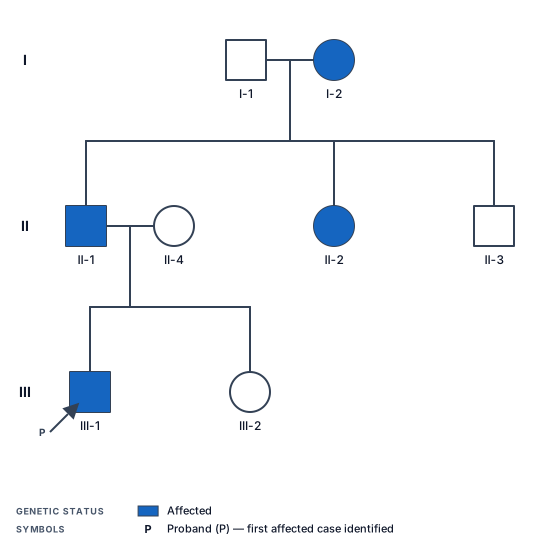
A three-generation pedigree chart showing autosomal dominant inheritance of ADPKD, with the grandmother affected, two carrier children, and one affected grandchild
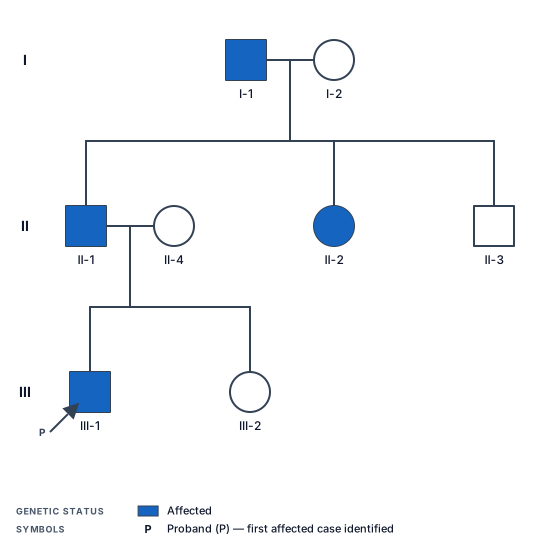
A three-generation pedigree chart showing autosomal dominant inheritance of Huntington disease, with the grandfather affected, two carrier children, and one affected grandchild
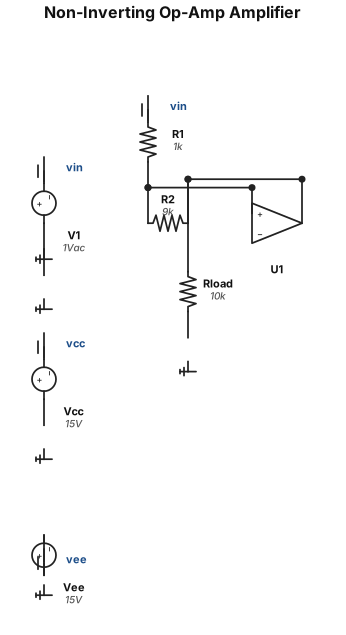
A non-inverting op-amp amplifier circuit with a gain of 10, using a 1 kΩ input resistor and a 9 kΩ feedback resistor
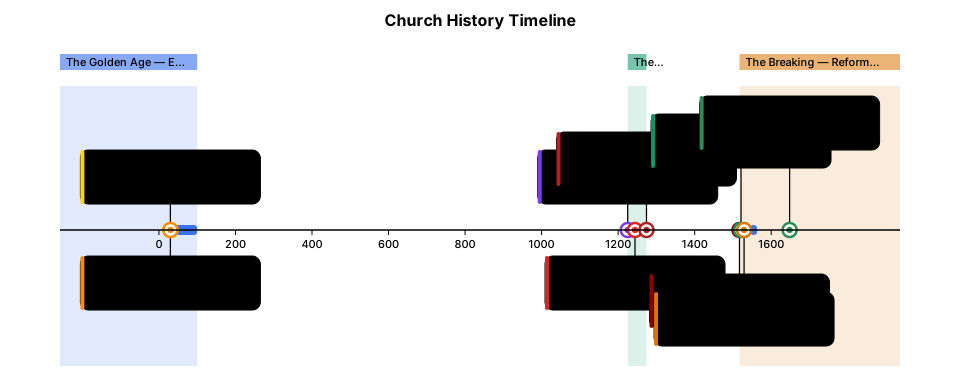
🔥 1. THE GOLDEN AGE — EARLY CHURCH c. AD 30 → Jesus’ Resurrection c. AD 30 → Pentecost AD 30s–100s → Early Christian Community 🕊️ 2. THE REBUILDING — THOMAS AQUINAS c. 1225 → Thomas Aquinas is born 1244 → Joins the Dominican Order 1252–1256 → Studies and teaches theology 1265–1274 → Writes Summa Theologiae 1274 → Thomas Aquinas dies 💥 3. THE BREAKING — REFORMATION 1517 → Martin Luther publishes the 95 Theses 1521 → Luther is excommunicated 1529 → Protestant movement grows 1545–1563 → Council of Trent 1648 → Peace of Westphalia / Reformation conflicts conclude
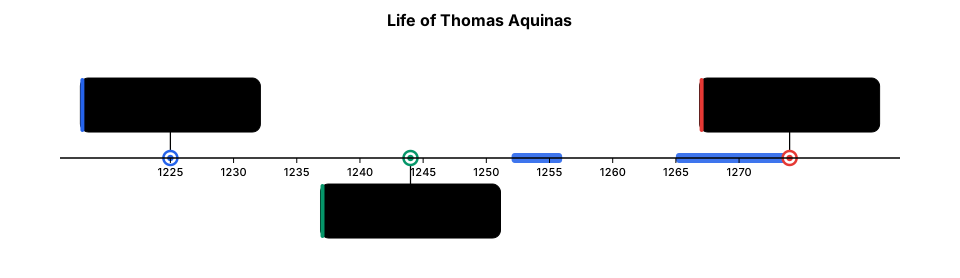
c. 1225 → 👶 Thomas Aquinas is born 1244 → ⛪ Joins the Dominican Order 1252–1256 → 🎓 Studies and teaches theology 1265–1274 → 📖 Writes Summa Theologiae 1274 → ✝️ Thomas Aquinas dies
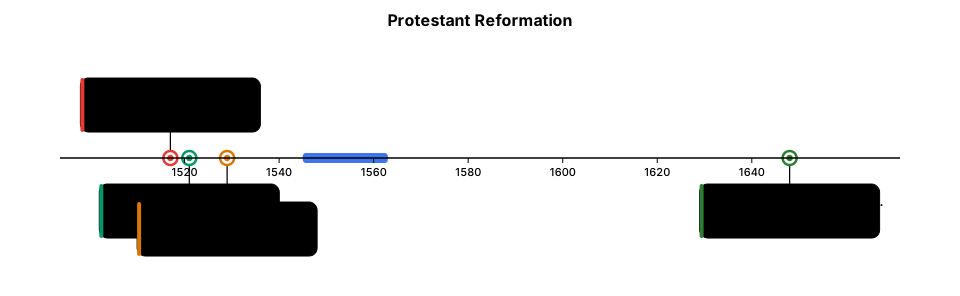
1517 → 📜 Martin Luther publishes the 95 Theses 1521 → ⚔️ Luther is excommunicated 1529 → ✝️ Protestant movement grows 1545–1563 → ⛪ Council of Trent / Catholic response 1648 → 🤝 Peace of Westphalia — major Reformation conflicts conclude
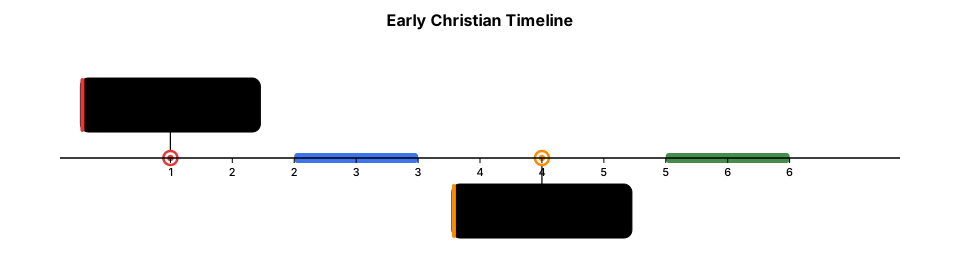
c. AD 30 → Jesus’ Resurrection c. AD 30–33 → Jesus’ Ascension c. AD 30 → Pentecost 🔥 AD 30s–100s → Early Christian Community ⛪
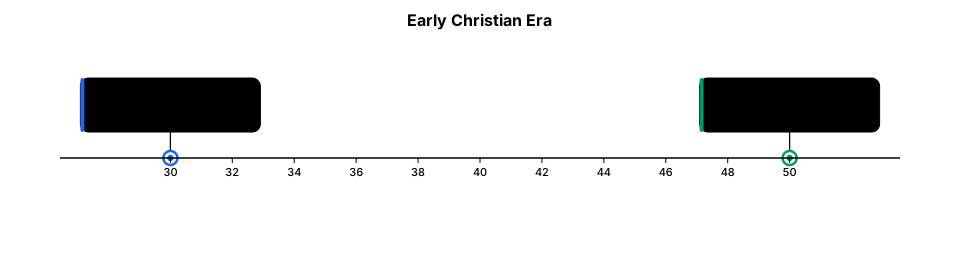
c. AD 30 → c. AD 50
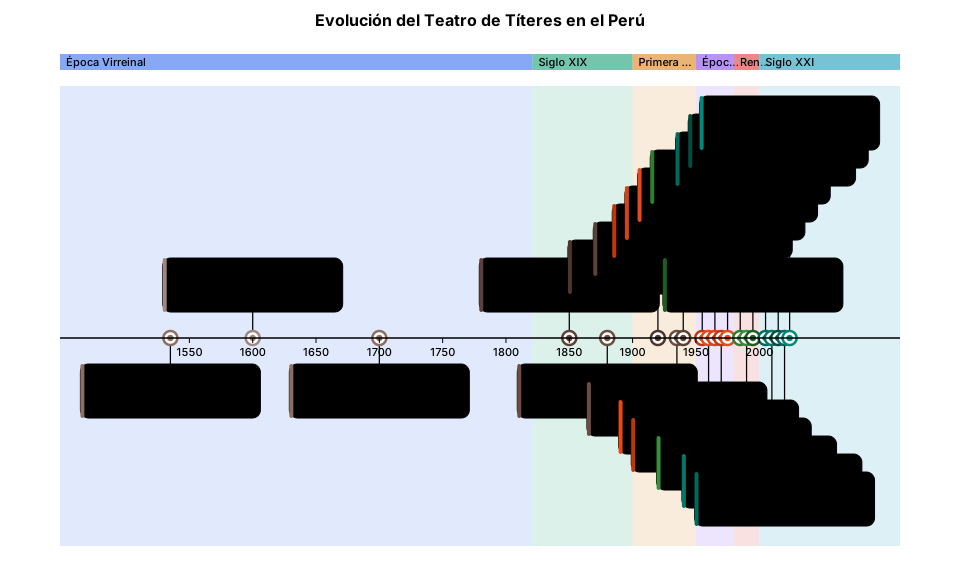
Crea una línea de tiempo visual y minimalista sobre la evolución del teatro de títeres en el Perú. Organiza cronológicamente sus principales etapas, características, personajes, grupos y aportes culturales. Usa poco texto, fechas destacadas, imágenes relacionadas con títeres peruanos y un diseño artístico y escolar.
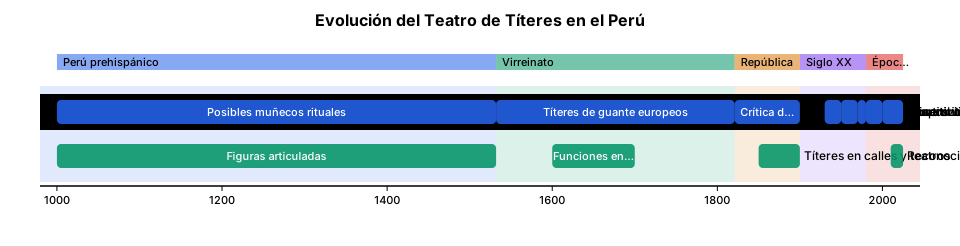
Crea una línea de tiempo visual y minimalista sobre la evolución del teatro de títeres en el Perú. Organiza cronológicamente sus principales etapas, características, personajes, grupos y aportes culturales. Usa poco texto, fechas destacadas, imágenes relacionadas con títeres peruanos y un diseño artístico y escolar.Tu línea de tiempo debe presentar, de manera ordenada y resumida, los principales acontecimientos de la evolución de este lenguaje artístico.¿Qué debe incluir? posibles manifestaciones relacionadas con muñecos y figuras en el Perú prehispánico. Recuerda diferenciar entre evidencias históricas y tradiciones o hipótesis. llegada y desarrollo de los espectáculos de títeres en Lima. desarrollo de los títeres durante la República y su función como entretenimiento y crítica de costumbres. aparición de importantes titiriteros y compañías. Lima, Arequipa, Cusco, Cajamarca y otras ciudades. grupos y artistas que mantienen vigente este arte. reconocimiento del Ministerio de Cultura a destacados representantes del arte de los títeres en el Perú.
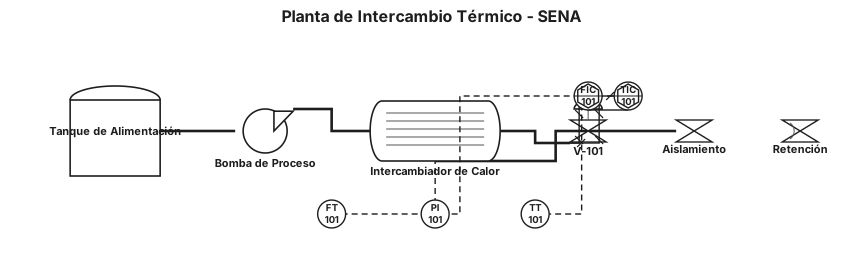
necesito un P&ID DE LA PLANTA DE INTERCAMBIOS TERMICOS , DE TODA LA PLANTA PUEDES SACAR LA PLANTA DE LA PAGINA DEL SENA QUE ESTE ACTUALIZADO CON LA NORMA ANSI/ISA-5.1-2009
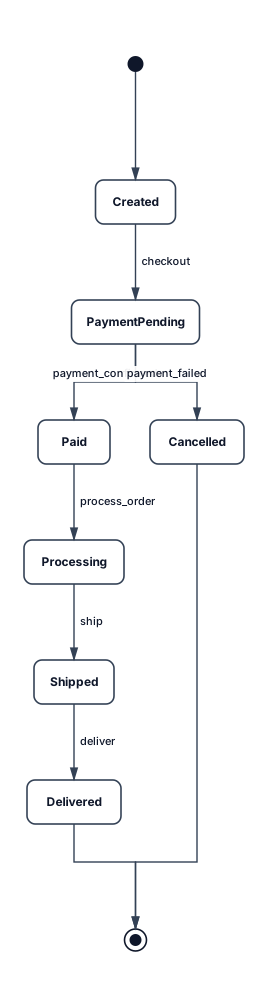
A state diagram for an e-commerce order: created, payment pending, paid, processing, shipped, delivered, and cancelled states with transitions between them
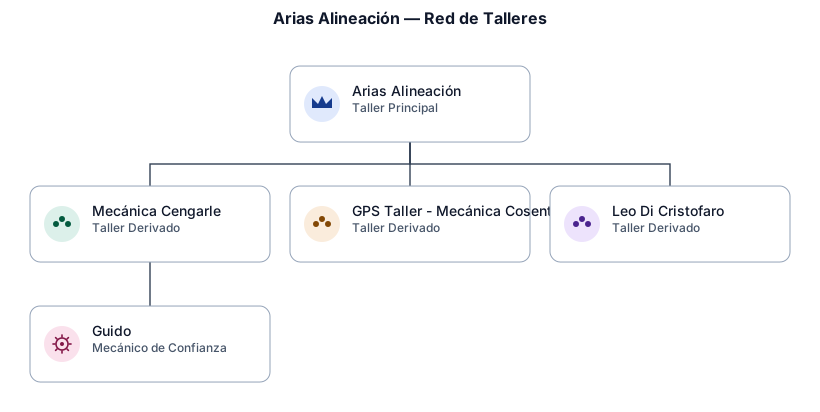
Generar un organigrama donde el taller principal, cito: Arias Alineación con direccion en Balcarse 3453 de la ciudad de Rosario deriba trabajos de confianza a otros talleres denominados a continuacion: Taller "Mecanica Cengarle" ubicado en Biedma 1370 entre calle Corrientes y Entre Rios y su mecanico de confianza es Guido. Otra derivacion es a "GPS Taller - Mecanica Cosentino" ubicado en dorrego 4431 de la ciudad de rosario. Otro taller derivado es: "Leo Di Cristofaro" ubicado en rosario en las intersacciones garibaldi y presidente roca. Agregar a la imagen las direcciones de cada ubicacion del taller
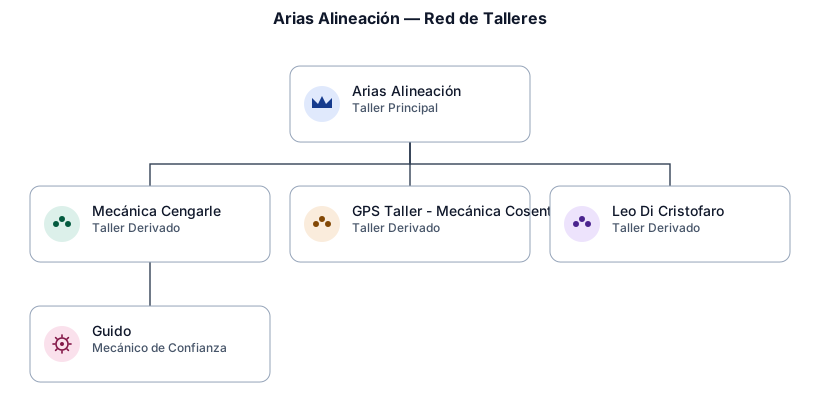
Generar un organigrama donde el taller principal, cito: Arias Alineación con direccion en Balcarse 3453 de la ciudad de Rosario deriba trabajos de confianza a otros talleres denominados a continuacion: Taller "Mecanica Cengarle" ubicado en Biedma 1370 entre calle Corrientes y Entre Rios y su mecanico de confianza es Guido. Otra derivacion es a "GPS Taller - Mecanica Cosentino" ubicado en dorrego 4431 de la ciudad de rosario. Otro taller derivado es: "Leo Di Cristofaro" ubicado en rosario en las intersacciones garibaldi y presidente roca.

faz um heredograma para mim. todo em preto e branco sem legenda ou coisas escritas sou mulher e tenho uma irmã, minha mãe é filha única e meu pai tem 2 irmãos e 3 irmas minha avó materna tem dois irmãos, meu vô materno tem 5 irmãs e 9 irmãos meus bisavós tanto por parte de mãe quanto por parte de pai não tem nenhum irmão
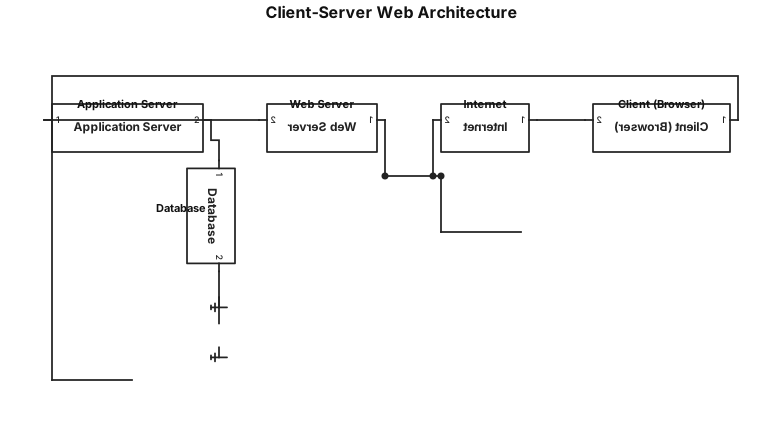
Общая схема клиент-серверного взаимодействия в веб. Клиент (браузер) — Интернет — Веб-сервер — Сервер приложений — База данных. Разделение на frontend и backend.
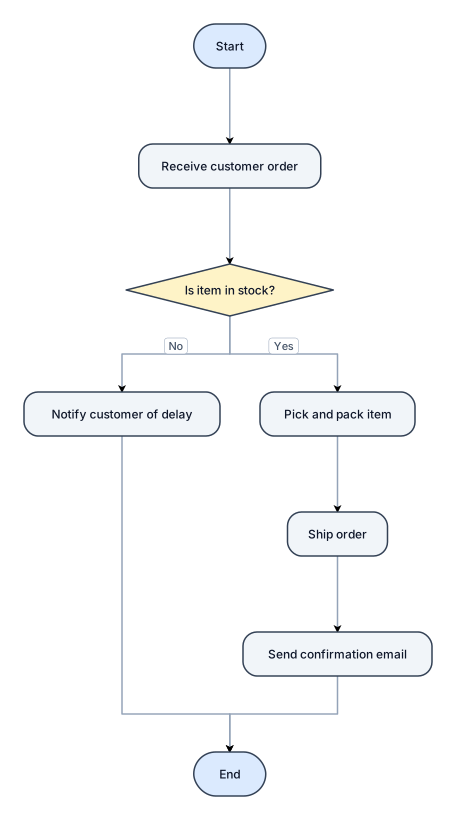
I need a process Description but visual
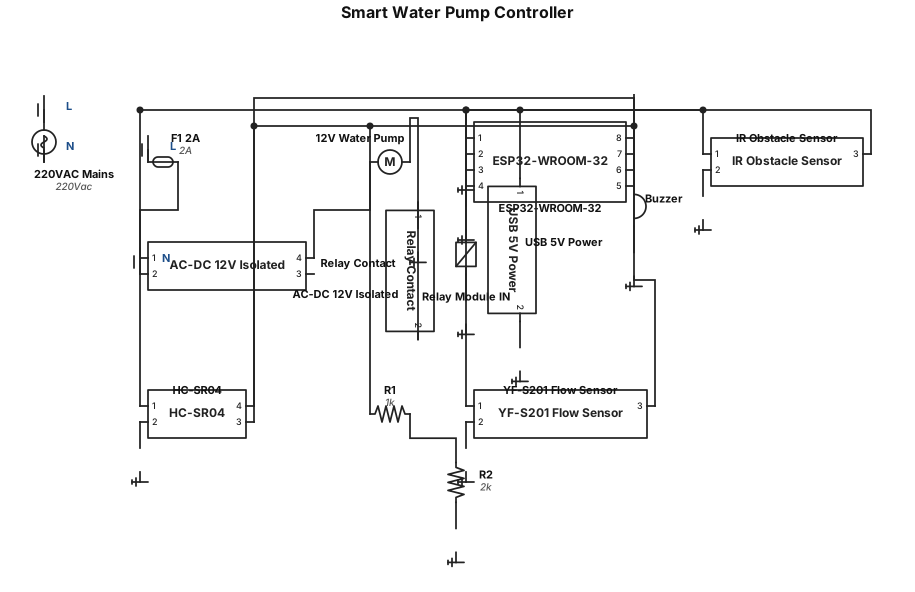
Create a professional electronics schematic for a smart water pump controller. Main controller: - ESP32-WROOM-32 development board powered by 5V USB. - Use common ESP32 DevKit pin labels. Connections: - IR obstacle sensor: VCC -> 5V GND -> GND OUT -> ESP32 GPIO32 - Relay module: VCC -> 5V GND -> GND IN -> ESP32 GPIO22 Relay contacts: COM connected to 12V pump supply line NO connected to pump positive terminal Pump negative connected to 12V power supply negative - Ultrasonic sensor HC-SR04: VCC -> 5V GND -> GND TRIG -> ESP32 GPIO5 ECHO -> ESP32 GPIO18 Add voltage divider on ECHO because ESP32 GPIO is 3.3V tolerant only. - Water flow sensor YF-S201: Red wire -> 5V Black wire -> GND Yellow wire -> ESP32 GPIO27 - Buzzer: Positive -> ESP32 GPIO19 Negative -> GND Power section: - Show separate 220VAC input. - 220VAC goes to an isolated AC-DC converter module producing 12V DC for the pump. - Show ESP32 5V USB power separately. - Keep AC mains section isolated from low voltage electronics. Draw as an engineering schematic, not a breadboard diagram. Use standard electrical symbols and labels.
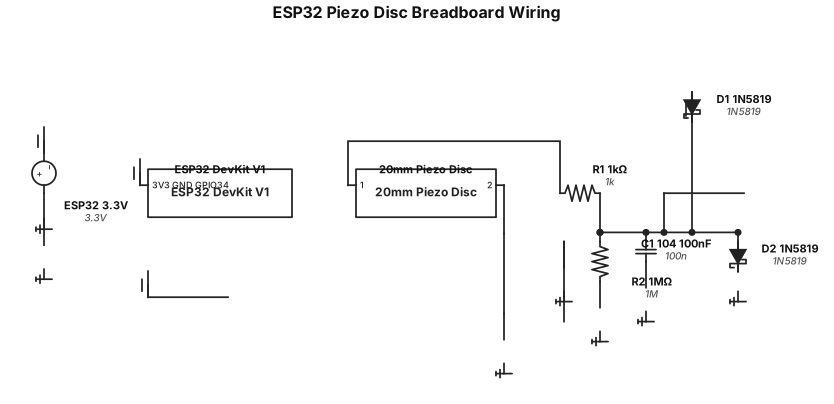
Create a clear beginner-friendly breadboard wiring diagram for testing ONE 20 mm piezoelectric disc with an ESP32 DevKit V1. Components: - ESP32 DevKit V1 - 20 mm piezo disc - R1 = 1 kΩ resistor - R2 = 1 MΩ resistor - C1 = 104 ceramic capacitor = 100 nF = 0.1 µF - D1 = 1N5819 Schottky diode - D2 = 1N5819 Schottky diode Use GPIO34 as the analog input. Connections: Piezo positive/ceramic side → R1 1 kΩ → sensing junction. Sensing junction → ESP32 GPIO34. Sensing junction → R2 1 MΩ → ESP32 GND. Sensing junction → C1 100 nF → ESP32 GND. For the positive clamp diode D1: D1 anode → sensing junction. D1 cathode (striped end) → ESP32 3.3 V. For the negative clamp diode D2: D2 anode → ESP32 GND. D2 cathode (striped end) → sensing junction. Piezo negative/brass side → ESP32 GND. Show EVERY wire separately. Show ESP32 3.3 V and GND clearly. Label the striped/cathode end of each 1N5819. Do not combine multiple connections into an unclear symbol. Use a breadboard-style wiring diagram, not only a schematic. Clearly label the sensing junction as "GPIO34 SENSING JUNCTION".

A fishbone diagram analysing why checkout conversion dropped 18% last week: categories for Code, Infrastructure, UX, and Payment
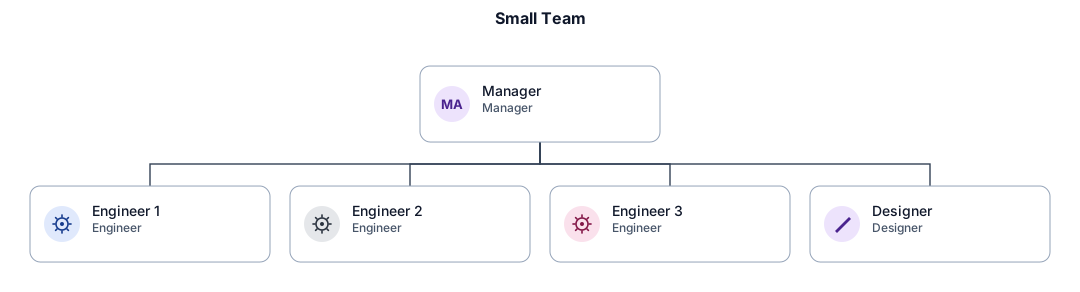
An org chart for a small team with a manager, three engineers, and a designer

Solar/wind/grid input | Surge and EMI protection | DC power bus / \ Battery + BMS DC-DC converter | | Heater control Electronics / Temperature and pressure sensors | Microcontroller/remote monitoring | Alarm, derating and shutdown control