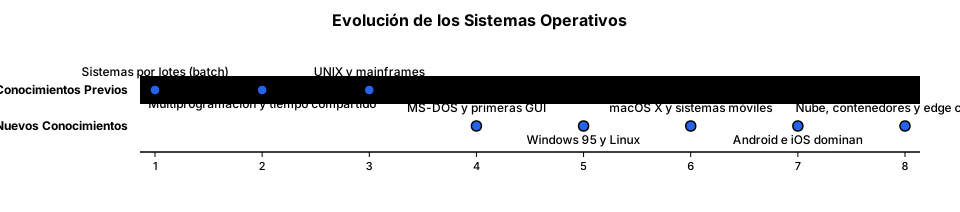
diseñar una linea del tiempo colaborativa que represente conocimientos previos y nuevos adquiridos sobre evolución tecnológica de la evolución de los sistemas operativos
NODE ARCHIVE · REAL DIAGRAM BRIEFS
Diagram Examples from Real Visitor Prompts
Browse eligible diagrams shared by FreeDiagram visitors, inspect the exact prompts, and build your own version.
Browse 3342 real creationsCOMMUNITY OUTPUTS · EXACT PROMPTS
All visitor creations
Showing 3169–3192 of 3342. No stock examples or system defaults. Choose a tool, study a real result, then reopen its prompt as your starting point.
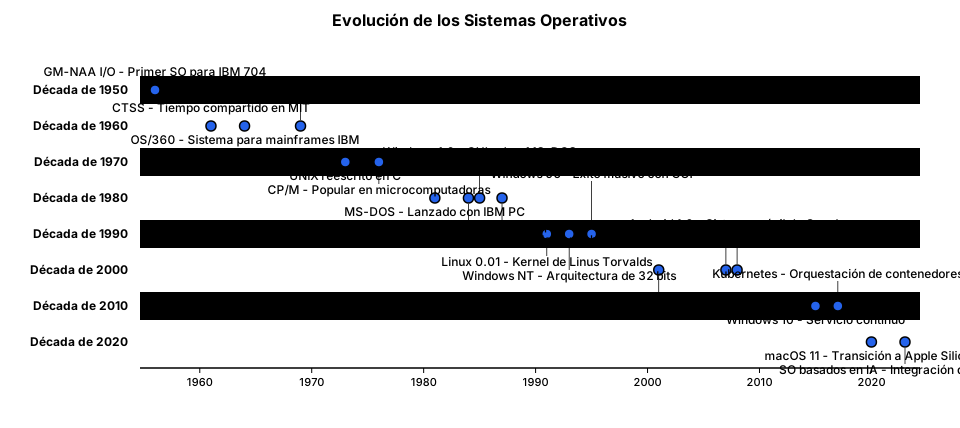
diseñar una linea de tiempo colaborativa que represente conocimientos sobre la evolución de la tecnológica de los sistemas operativos
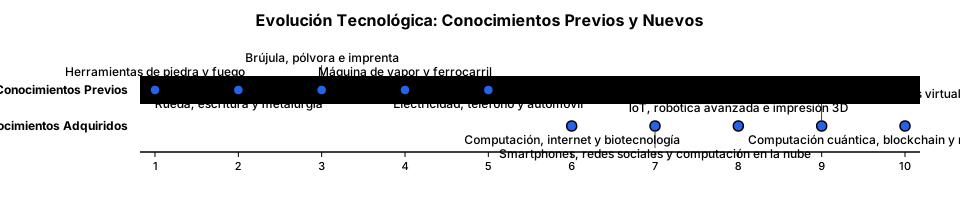
diseñar una linea de tiempo colaborativa que represente conocimientos previos y nuevos adquiridos sobre evolución tecnologica que sea bien detallado
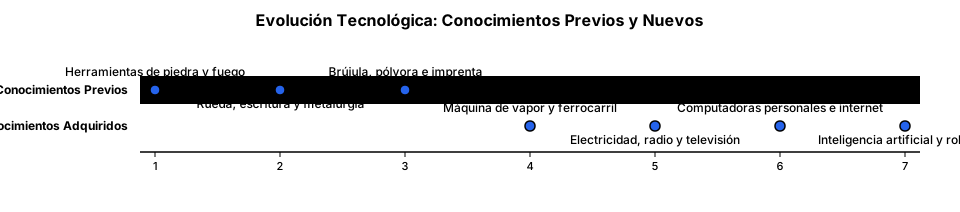
diseñar una linea del tiempo colaborativa que represente conocimientos previos y nuevos adquiridos sobre evolución tecnológica
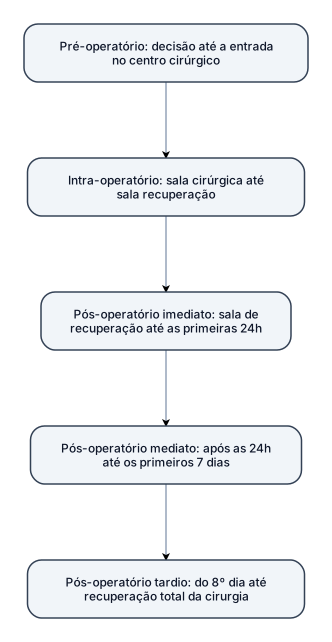
Pré-operatório: decisão até a entrada no centro cirúrgico Intra-operatório: sala cirúrgica até sala recuperação Pós-operatório imediato: sala de recuperação até às primeiras 24h Pós-operatório mediato: após as 24h até os primeiros 7 dias Pós-operatório tardio: do 8º dia até recuperação total da cirurgia
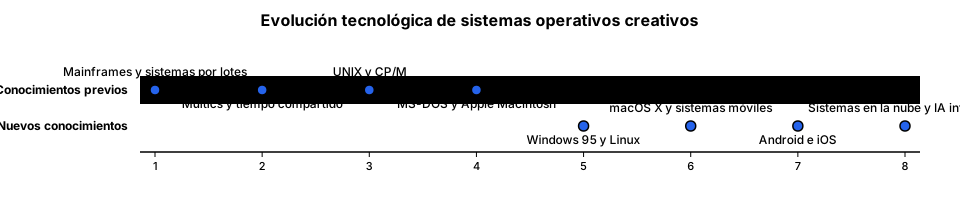
Diseñar una linea de tiempo colaborativa que represente conocimientos previos y nuevos adquiridos sobre evolucion tecnologica de sistema operativo creativo
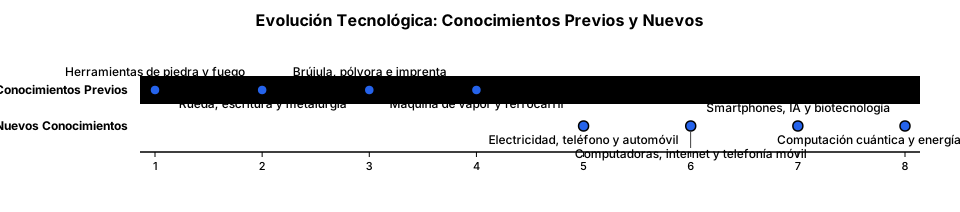
diseñar una linea del tiempo colaboativa que represente conocimientos previos y nuevos adquiridos sobre evolucion tecnologica
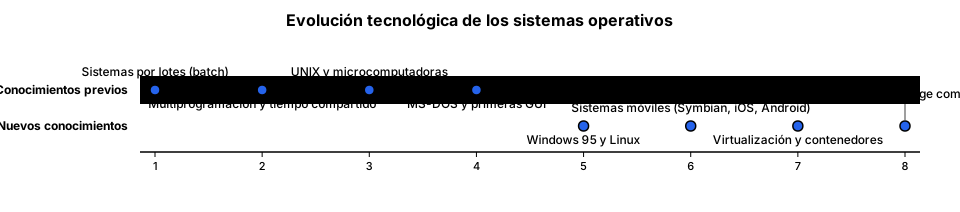
Diseñar una linea de tiempo colaborativa que represente conocimientos previos y nuevos adquiridos sobre evolucion tecnologica de sistema operativo
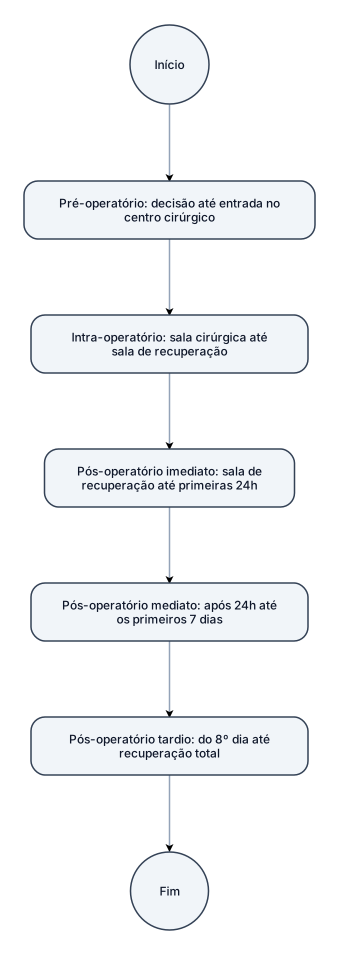
Pré-operatório: decisão até a entrada no centro cirúrgico. Intra-operatório: sala cirúrgica até sala recuperação. Pós-operatório imediato: sala recuperação até às primeiras 24h Pós –operatório mediato: após as 24h até os primeiros 7 dias Pós-operatório tardio: do 8 dia até recuperação total da cirurgia.
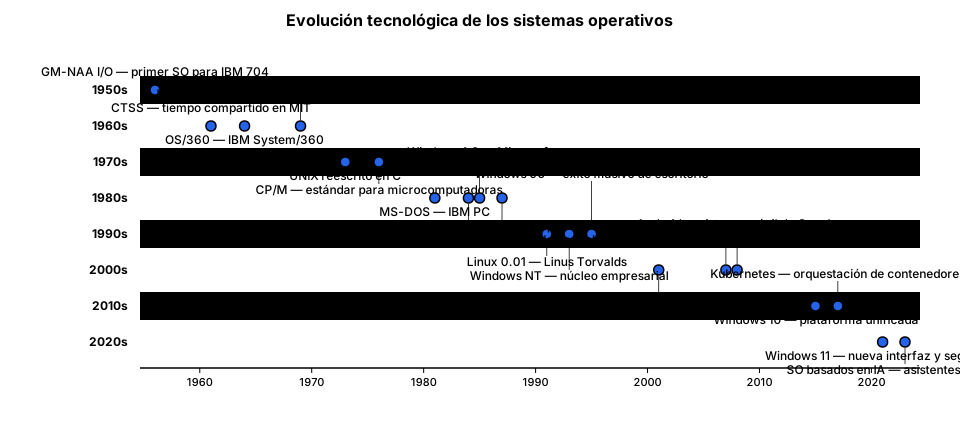
diseñar una linea de tiempo colaborativa que represente conocimientos sobre la evolución de los tecnológica de los sistemas operativos
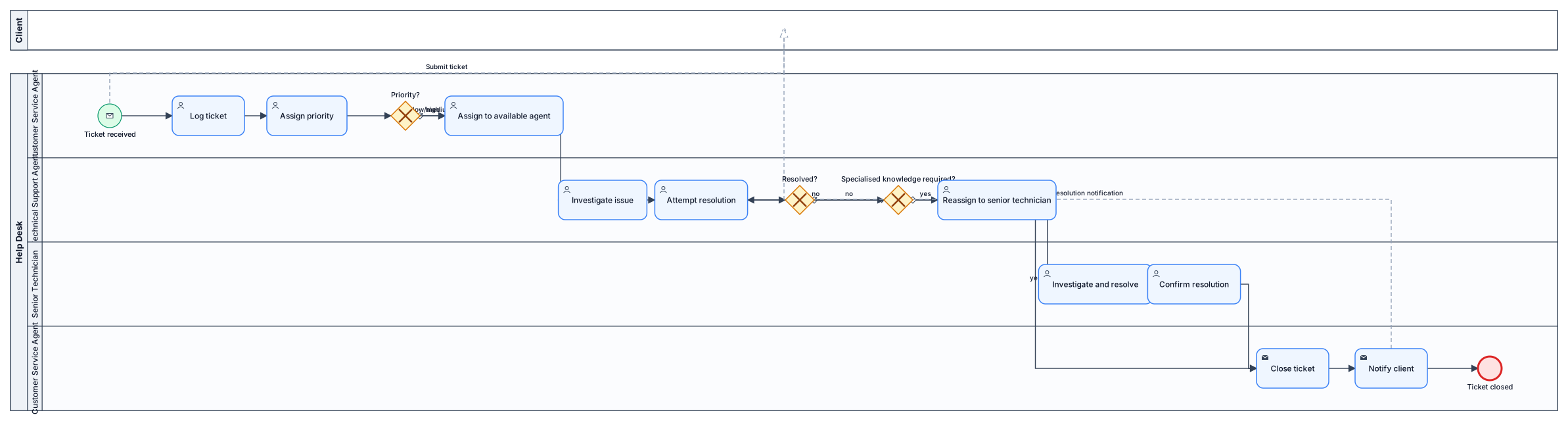
he current process works as follows: Clients submit support tickets via email, phone, or a web portal. A customer service agent logs the ticket and assigns a priority level. The ticket is assigned to a technical support agent based on availability. The technical support agent investigates and attempts to resolve the issue. If specialised knowledge is required, the ticket may be reassigned to a senior technician. Once resolved, the ticket is closed, and the client is notified. Management wants to improve this process to enhance customer satisfaction, reduce resolution time, and optimise resource allocation. PART 1 QUESTION 1 PROCESS ANALYSIS (Marks: 30) (a) Identify all stakeholders involved in the help desk ticket management process. (5) (b) Document the current "as-is" process in detail, including decision points and interactions between departments. (10) (c) Analyse the inefficiencies, bottlenecks, and challenges in the current process. (10) (d) Outline key performance indicators (KPIs) that should be measured to determine process effectiveness. (5) PART 1 QUESTION 2 PROCESS MODELLING (Marks: 40) In answering the questions. Your diagrams must include: Proper use of swimlanes to represent different departments/roles. Appropriate start and end events. Gateways for decision points. Message flows between different participants. Exception handling for common issues. (a) Create a BPMN diagram representing the "as-is" help desk ticket management process.
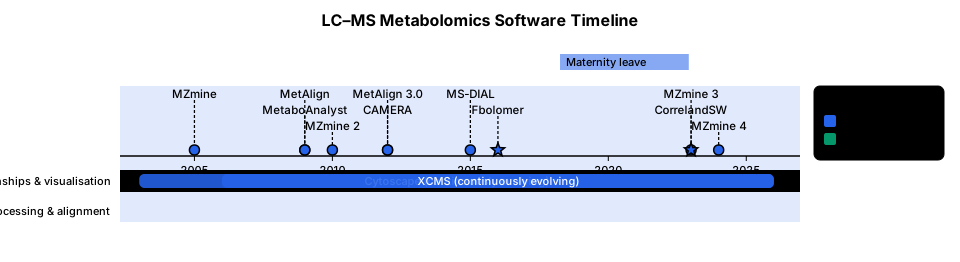
A clean, elegant scientific timeline of the main software tools used in LC–MS metabolomics, from 2003 to 2026. Clearly highlight that I was on maternity leave -begin spring 2018 finished December 2022 Include two main groups: 1. Data processing & alignment: MZmine (2005) → MZmine 2 (2010) → MZmine 3 (2023) → MZmine 4 (2024+) → XCMS (2006, continuously evolving) → MetAlign (2009) → MetAlign 3.0 (2012) → MS-DIAL (2015) → Fbolomer (finished 2018) 2. Annotation, relationships & visualisation: Cytoscape (2003, continuously evolving) → MetaboAnalyst (2009) → CAMERA (2012) → Correland (development finished 2026). Fbolomer development began 2016 and was completed on april 2018, while CorrelandSW development began in 2023 and was completed on april 2026. Use British English, a horizontal timeline, clean academic/publication-quality design, minimal decoration and clearly distinguish the different functional groups. Highlight Fbolomer and Correland as my research milestones.
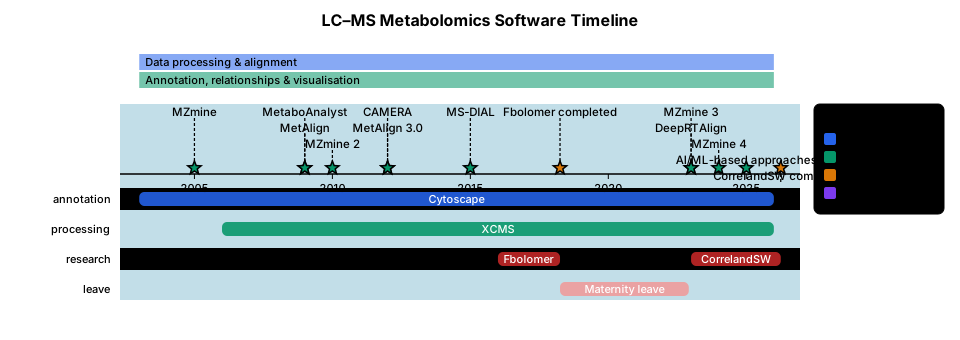
A clean, elegant scientific timeline of the main software tools used in LC–MS metabolomics, from 2003 to 2026. Clearly highlight that I was on maternity leave -begin spring 2018 finished December 2022 Include two main groups: 1. Data processing & alignment: MZmine (2005) → MZmine 2 (2010) → MZmine 3 (2023) → MZmine 4 (2024+) → XCMS (2006, continuously evolving) → MetAlign (2009) → MetAlign 3.0 (2012) → MS-DIAL (2015) → Fbolomer (finished 2018) → DeepRTAlign (2023) → recent AI/ML-based approaches. 2. Annotation, relationships & visualisation: Cytoscape (2003, continuously evolving) → MetaboAnalyst (2009) → CAMERA (2012) → Correland (development finished 2026). Fbolomer development began 2016 and was completed on april 2018, while CorrelandSW development began in 2023 and was completed on april 2026. Use British English, a horizontal timeline, clean academic/publication-quality design, minimal decoration and clearly distinguish the different functional groups. Highlight Fbolomer and Correland as my research milestones.
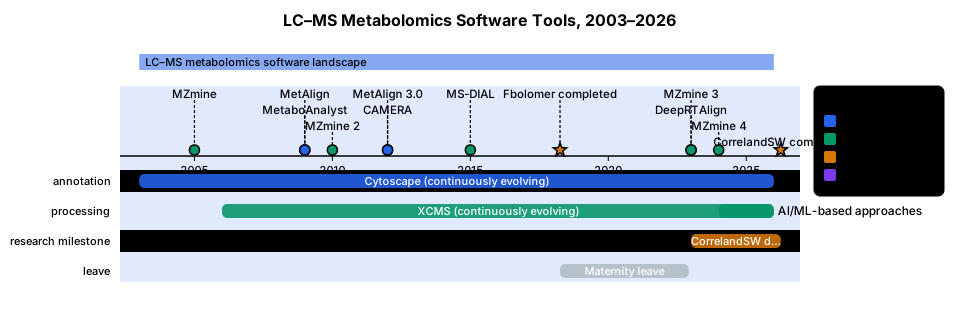
A clean, elegant scientific timeline of the main software tools used in LC–MS metabolomics, from 2003 to 2026. Clearly highlight that I was on maternity leave from spring 2018 to December 2022 Include two main groups: 1. Data processing & alignment: MZmine (2005) → MZmine 2 (2010) → MZmine 3 (2023) → MZmine 4 (2024+) → XCMS (2006, continuously evolving) → MetAlign (2009) → MetAlign 3.0 (2012) → MS-DIAL (2015) → Fbolomer (finished 2018) → DeepRTAlign (2023) → recent AI/ML-based approaches. 2. Annotation, relationships & visualisation: Cytoscape (2003, continuously evolving) → MetaboAnalyst (2009) → CAMERA (2012) → Correland (development finished 2026). Fbolomer development was completed on april 2018, while CorrelandSW development began in 2023 and was completed on april 2026. Use British English, a horizontal timeline, clean academic/publication-quality design, minimal decoration and clearly distinguish the different functional groups. Highlight Fbolomer and Correland as my research milestones.
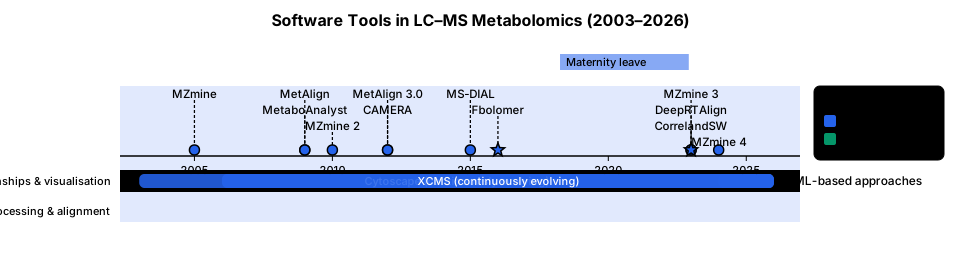
A clean, elegant scientific timeline of the main software tools used in LC–MS metabolomics, from 2003 to 2026. Clearly highlight that I was on maternity leave from spring 2018 to December 2022 Include two main groups: 1. Data processing & alignment: MZmine (2005) → MZmine 2 (2010) → MZmine 3 (2023) → MZmine 4 (2024+) → XCMS (2006, continuously evolving) → MetAlign (2009) → MetAlign 3.0 (2012) → MS-DIAL (2015) → Fbolomer (2016–2018) → DeepRTAlign (2023) → recent AI/ML-based approaches. 2. Annotation, relationships & visualisation: Cytoscape (2003, continuously evolving) → MetaboAnalyst (2009) → CAMERA (2012) → Correland (development 2023–2026). Fbolomer development was completed on april 2018, while CorrelandSW development began in 2023 and was completed on april 2026. Use British English, a horizontal timeline, clean academic/publication-quality design, minimal decoration and clearly distinguish the different functional groups. Highlight Fbolomer and Correland as my research milestones.
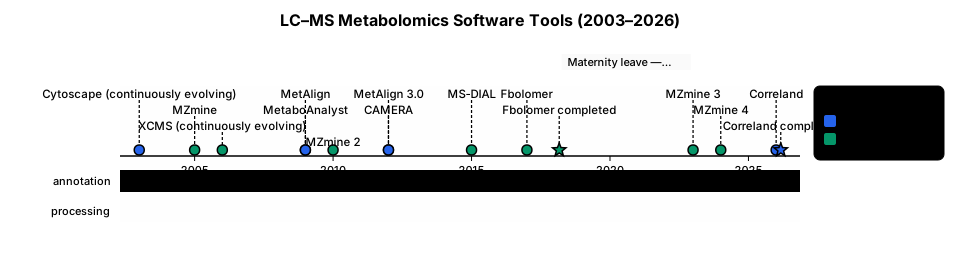
A clean, elegant scientific timeline of the main software tools used in LC–MS metabolomics, from 2003 to 2026. Clearly highlight on timeline, that I was on maternity leave from april 2018 to December 2022. Include two main groups: 1. Data processing & alignment: MZmine (2005) → MZmine 2 (2010) → MZmine 3 (2023) → MZmine 4 (2024+) → XCMS (2006, continuously evolving) → MetAlign (2009) → MetAlign 3.0 (2012) → MS-DIAL (2015) → Fbolomer (2017/2018). 2. Annotation, relationships & visualisation: Cytoscape (from 2003, continuously evolving) → MetaboAnalyst (2009) → CAMERA (2012) → CorrelandSW (development 2026). Fbolomer development was completed in spring 2018, while Correland development was completed in spring 2026. Use British English, a horizontal timeline, clean academic/publication-quality design, minimal decoration and clearly distinguish the different functional groups. Highlight Fbolomer and Correland as my research milestones and maternity leave- I did not work on tools.
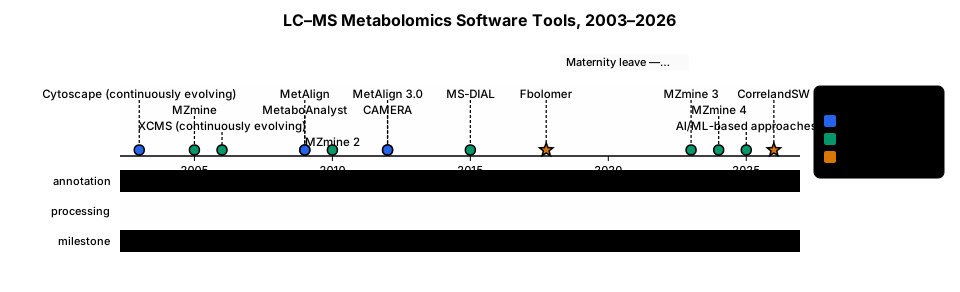
A clean, elegant scientific timeline of the main software tools used in LC–MS metabolomics, from 2003 to 2026. Clearly highlight on timeline, that I was on maternity leave from april 2018 to December 2022. Include two main groups: 1. Data processing & alignment: MZmine (2005) → MZmine 2 (2010) → MZmine 3 (2023) → MZmine 4 (2024+) → XCMS (2006, continuously evolving) → MetAlign (2009) → MetAlign 3.0 (2012) → MS-DIAL (2015) → Fbolomer (2017/2018)→ recent AI/ML-based approaches. 2. Annotation, relationships & visualisation: Cytoscape (from 2003, continuously evolving) → MetaboAnalyst (2009) → CAMERA (2012) → CorrelandSW (development 2026). Fbolomer development was completed in spring 2018, while Correland development was completed in spring 2026. Use British English, a horizontal timeline, clean academic/publication-quality design, minimal decoration and clearly distinguish the different functional groups. Highlight Fbolomer and Correland as my research milestones and maternity leave- I did not work on tools.
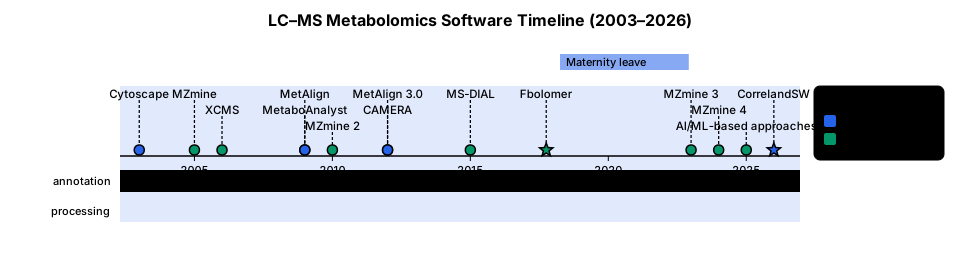
A clean, elegant scientific timeline of the main software tools used in LC–MS metabolomics, from 2003 to 2026. Clearly highlight on timeline, that I was on maternity leave from april 2018 to December 2022. Include two main groups: 1. Data processing & alignment: MZmine (2005) → MZmine 2 (2010) → MZmine 3 (2023) → MZmine 4 (2024+) → XCMS (2006, continuously evolving) → MetAlign (2009) → MetAlign 3.0 (2012) → MS-DIAL (2015) → Fbolomer (2017/2018)→ recent AI/ML-based approaches. 2. Annotation, relationships & visualisation: Cytoscape (from 2003, continuously evolving) → MetaboAnalyst (2009) → CAMERA (2012) → CorrelandSW (development 2026). Fbolomer development was completed in spring 2018, while Correland development was completed in spring 2026. Use British English, a horizontal timeline, clean academic/publication-quality design, minimal decoration and clearly distinguish the different functional groups. Highlight Fbolomer and CorrelandSW as my research milestones.
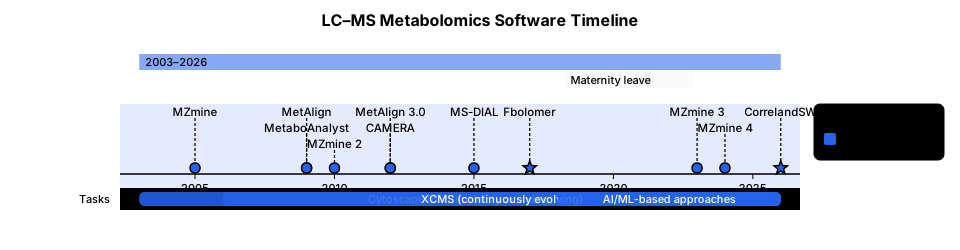
A clean, elegant scientific timeline of the main software tools used in LC–MS metabolomics, from 2003 to 2026.Clearly highlight that I was on maternity leave from april 2018 to December 2022. Include two main groups: 1. Data processing & alignment: MZmine (2005) → MZmine 2 (2010) → MZmine 3 (2023) → MZmine 4 (2024+) → XCMS (2006, continuously evolving) → MetAlign (2009) → MetAlign 3.0 (2012) → MS-DIAL (2015) → Fbolomer (2017/2018)→ recent AI/ML-based approaches. 2. Annotation, relationships & visualisation: Cytoscape (from 2003, continuously evolving) → MetaboAnalyst (2009) → CAMERA (2012) → CorrelandSW (development 2026). Fbolomer development was completed in spring 2018, while Correland development was completed in spring 2026. Use British English, a horizontal timeline, clean academic/publication-quality design, minimal decoration and clearly distinguish the different functional groups. Highlight Fbolomer and CorrelandSW as my research milestones.
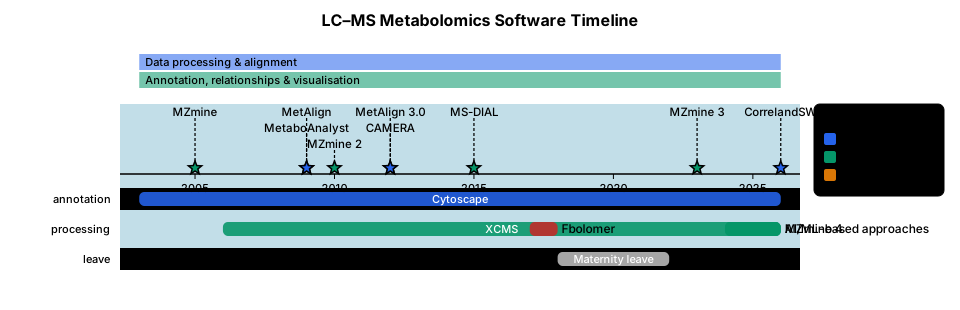
A clean, elegant scientific timeline of the main software tools used in LC–MS metabolomics, from 2003 to 2026.Clearly highlight that I was on maternity leave from spring 2018 to December 2022. Include two main groups: 1. Data processing & alignment: MZmine (2005) → MZmine 2 (2010) → MZmine 3 (2023) → MZmine 4 (2024+) → XCMS (2006, continuously evolving) → MetAlign (2009) → MetAlign 3.0 (2012) → MS-DIAL (2015) → Fbolomer (2017/2018)→ recent AI/ML-based approaches. 2. Annotation, relationships & visualisation: Cytoscape (from 2003, continuously evolving) → MetaboAnalyst (2009) → CAMERA (2012) → CorrelandSW (development 2026). Fbolomer development was completed in spring 2018, while Correland development was completed in spring 2026. Use British English, a horizontal timeline, clean academic/publication-quality design, minimal decoration and clearly distinguish the different functional groups. Highlight Fbolomer and CorrelandSW as my research milestones.
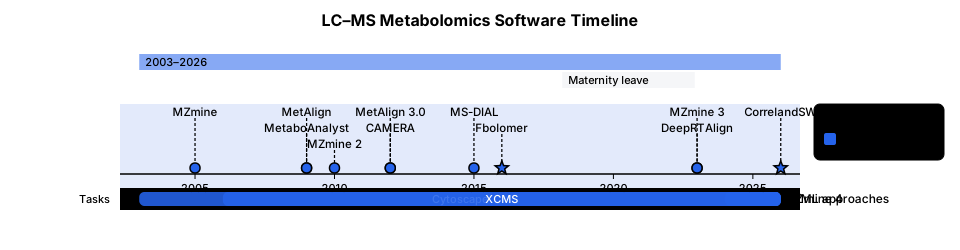
A clean, elegant scientific timeline of the main software tools used in LC–MS metabolomics, from 2003 to 2026.Clearly highlight that I was on maternity leave from spring 2018 to December 2022. Include two main groups: 1. Data processing & alignment: MZmine (2005) → MZmine 2 (2010) → MZmine 3 (2023) → MZmine 4 (2024+) → XCMS (2006, continuously evolving) → MetAlign (2009) → MetAlign 3.0 (2012) → MS-DIAL (2015) → Fbolomer (2016–2018) → DeepRTAlign (2023) → recent AI/ML-based approaches. 2. Annotation, relationships & visualisation: Cytoscape (from 2003, continuously evolving) → MetaboAnalyst (2009) → CAMERA (2012) → CorrelandSW (development 2026). Fbolomer development was completed in spring 2018, while Correland development was completed in spring 2026. Use British English, a horizontal timeline, clean academic/publication-quality design, minimal decoration and clearly distinguish the different functional groups. Highlight Fbolomer and CorrelandSW as my research milestones.
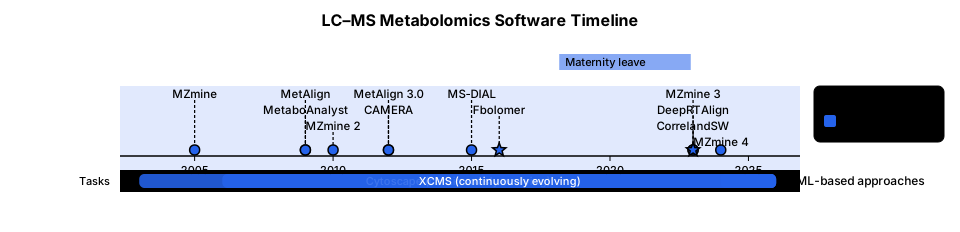
A clean, elegant scientific timeline of the main software tools used in LC–MS metabolomics, from 2003 to 2026.Clearly highlight that I was on maternity leave from spring 2018 to December 2022. Include two main groups: 1. Data processing & alignment: MZmine (2005) → MZmine 2 (2010) → MZmine 3 (2023) → MZmine 4 (2024+) → XCMS (2006, continuously evolving) → MetAlign (2009) → MetAlign 3.0 (2012) → MS-DIAL (2015) → Fbolomer (2016–2018) → DeepRTAlign (2023) → recent AI/ML-based approaches. 2. Annotation, relationships & visualisation: Cytoscape (from 2003, continuously evolving) → MetaboAnalyst (2009) → CAMERA (2012) → CorrelandSW (development 2026). Fbolomer development was completed in spring 2018, while CorrelandSW development began in 2023 and was completed in spring 2026. Use British English, a horizontal timeline, clean academic/publication-quality design, minimal decoration and clearly distinguish the different functional groups. Highlight Fbolomer and CorrelandSW as my research milestones.
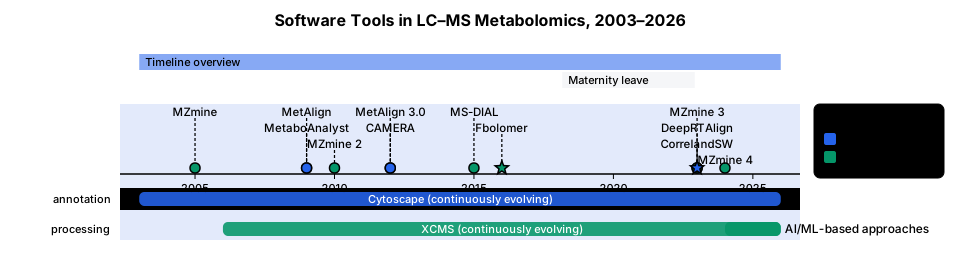
A clean, elegant scientific timeline of the main software tools used in LC–MS metabolomics, from 2003 to 2026.Clearly highlight that I was on maternity leave from spring 2018 to December 2022. Include two main groups: 1. Data processing & alignment: MZmine (2005) → MZmine 2 (2010) → MZmine 3 (2023) → MZmine 4 (2024+) → XCMS (2006, continuously evolving) → MetAlign (2009) → MetAlign 3.0 (2012) → MS-DIAL (2015) → Fbolomer (2016–2018) → DeepRTAlign (2023) → recent AI/ML-based approaches. 2. Annotation, relationships & visualisation: Cytoscape (from 2003, continuously evolving) → MetaboAnalyst (2009) → CAMERA (2012) → CorrelandSW (development 2023–2026). Fbolomer development was completed in spring 2018, while CorrelandSW development began in 2023 and was completed in spring 2026. Use British English, a horizontal timeline, clean academic/publication-quality design, minimal decoration and clearly distinguish the different functional groups. Highlight Fbolomer and CorrelandSW as my research milestones.
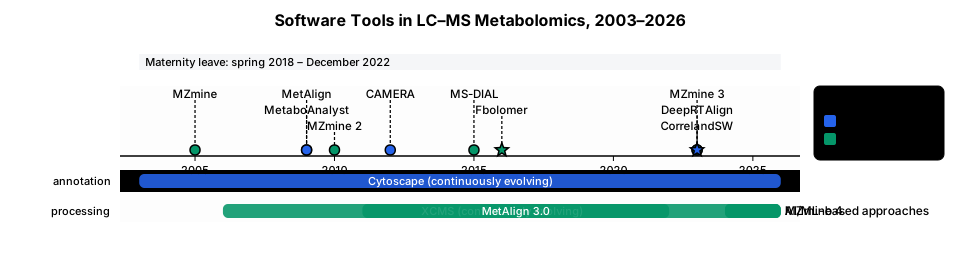
A clean, elegant scientific timeline of the main software tools used in LC–MS metabolomics, from 2003 to 2026.Clearly highlight that I was on maternity leave from spring 2018 to December 2022. Include two main groups: 1. Data processing & alignment: MZmine (2005) → MZmine 2 (2010) → MZmine 3 (2023) → MZmine 4 (2024+) → XCMS (2006, continuously evolving) → MetAlign (2009) → MetAlign 3.0 (2011/12 completed 2022) → MS-DIAL (2015) → Fbolomer (2016–2018) → DeepRTAlign (2023) → recent AI/ML-based approaches. 2. Annotation, relationships & visualisation: Cytoscape (from2003, continuously evolving) → MetaboAnalyst (2009) → CAMERA (2012) → CorrelandSW (development 2023–2026). Fbolomer development was completed in spring 2018, while CorrelandSW development began in 2023 and was completed in spring 2026. Use British English, a horizontal timeline, clean academic/publication-quality design, minimal decoration and clearly distinguish the different functional groups. Highlight Fbolomer and CorrelandSW as my research milestones.