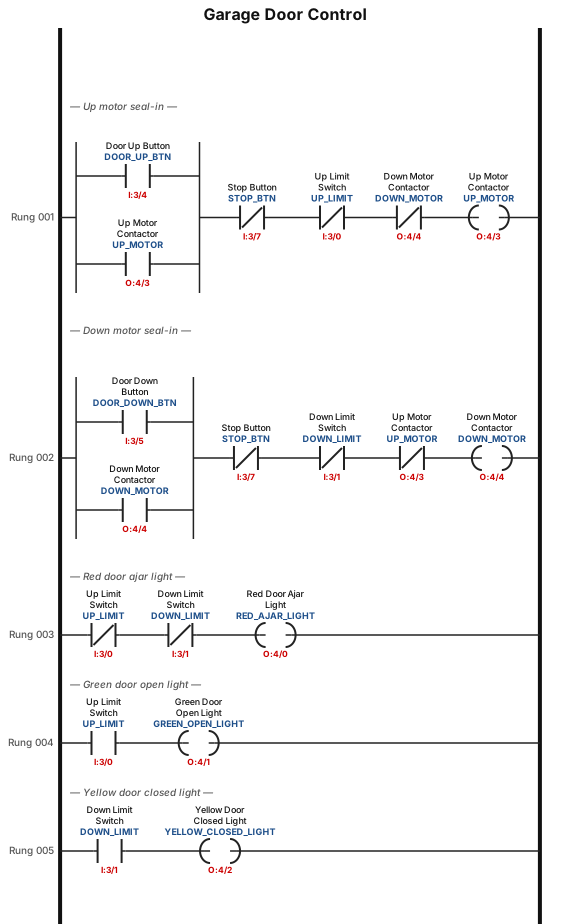
A motorized overhead garage door is to be operated automatically to preset open and closed positions. The field devices include one of each of the following: • Reversing motor contactor for the up and down directions. • Normally open down limit switch to sense when the door is fully closed. • Normally open-held closed up-limit switch to sense when the door is fully opened. • Normally open door up button for the up direction. • Normally open door down button for the down direction. • Normally closed door stop button for stopping the door. • Red door ajar light to signal when the door is partially open. • Green door open light to signal when the door is fully open. • Yellow door closed light to signal when the door is fully closed. The sequence of operation requires that: • When the up button is pushed, the up-motor contactor energizes and the door travels upward until the up-limit switch is actuated. • When the down button is pushed, the down motor contactor energizes and the door travels down until the down limit switch is actuated. • When the stop button is pushed, the motor stops. The motor must be stopped before it can change direction Tag Device Type Function I:3/0 Up limit NO-held closed Detects when door is fully open I:3/1 Down limit NO Detects when door is fully closed I:3/4 Door up button NO Command to raise door I:3/5 Door down button NO Command to lower door I:3/7 Stop door button NC Stops motor immediately Tag Device Function O:4/0 Red light Door ajar (neither limit made) O:4/1 Green light Door fully open O:4/2 Yellow light Door fully closed O:4/3 Up motor contactor Energizes motor upward O:4/4 Down motor contactor Energizes motor downward
Diagram Examples from Real Visitor Prompts
Browse eligible diagrams shared by FreeDiagram visitors, inspect the exact prompts, and build your own version.
Browse 987 real creationsAll visitor creations
Showing 577–600 of 987. No stock examples or system defaults. Choose a tool, study a real result, then reopen its prompt as your starting point.
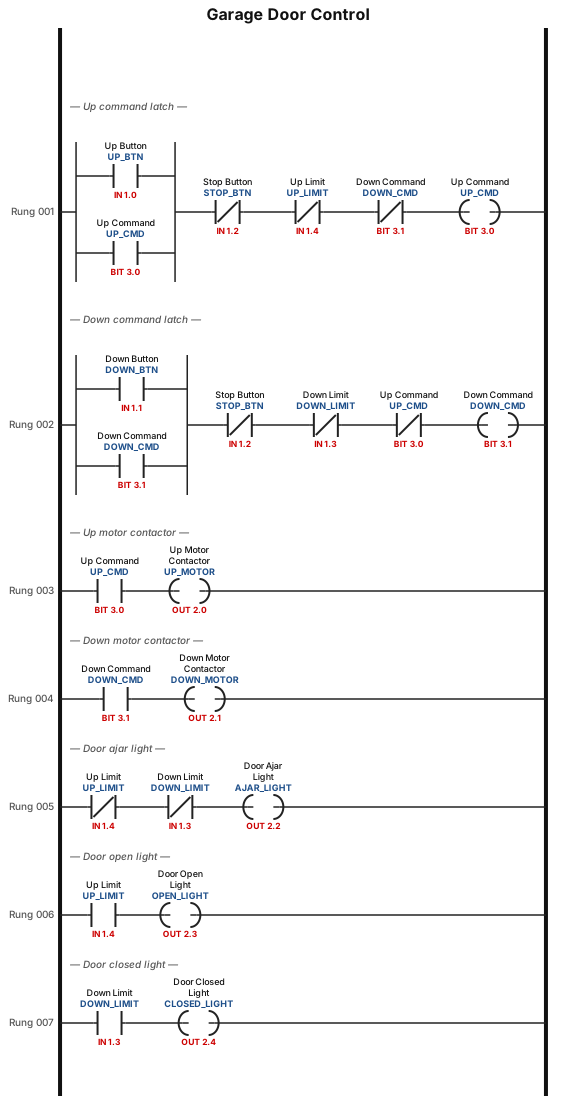
A motorized overhead garage door is to be operated automatically to preset open and closed positions. The field devices include one of each of the following: • Reversing motor contactor for the up and down directions. • Normally open down limit switch to sense when the door is fully closed. • Normally open-held closed up-limit switch to sense when the door is fully opened. • Normally open door up button for the up direction. • Normally open door down button for the down direction. • Normally closed door stop button for stopping the door. • Red door ajar light to signal when the door is partially open. • Green door open light to signal when the door is fully open. • Yellow door closed light to signal when the door is fully closed. The sequence of operation requires that: • When the up button is pushed, the up-motor contactor energizes and the door travels upward until the up-limit switch is actuated. • When the down button is pushed, the down motor contactor energizes and the door travels down until the down limit switch is actuated. • When the stop button is pushed, the motor stops. The motor must be stopped before it can change direction.
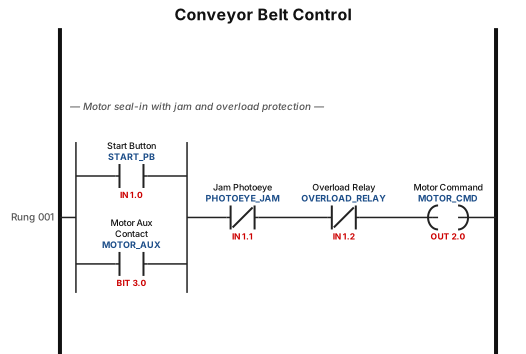
A ladder logic program for a conveyor belt system: start button seals in the motor, a photoeye stops the belt when a jam is detected, and an overload relay trips the circuit
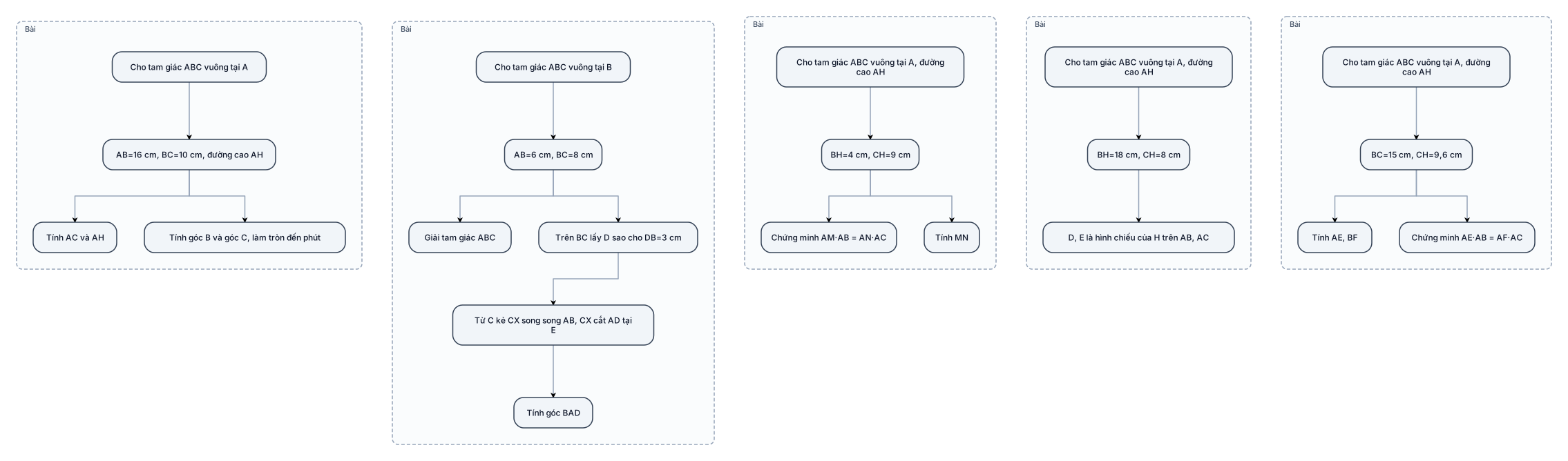
Bài 5 Cho tam giác ABC vuông tại A, AB=16 cm, BC=10 cm, đường cao AH. a) Tính AC và AH. b) Tính B và C , làm tròn đến phút. Bài 6 Cho tam giác ABC vuông tại B, AB=6 cm, BC=8 cm. Trên cạnh BC lấy điểm D sao cho DB=3 cm. Từ C kẻ CX song song với AB. CX cắt AD tại E. a) Giải tam giác ABC. b) Tính BAD . Bài 7 Cho tam giác ABC vuông tại A, đường cao AH chia cạnh huyền thành hai đoạn BH và CH có độ dài lần lượt là 4 cm và 9 cm. Gọi M và N lần lượt là hình chiếu của H trên AB và AC. a) Chứng minh: AM⋅AB=AN⋅AC. b) Tính MN. Bài 8 Cho tam giác ABC vuông tại A, đường cao AH. Biết: BH=18 cm,CH=8 cm. Gọi D,E lần lượt là hình chiếu của H trên AB,AC. Bài 9 Cho tam giác ABC vuông tại A, đường cao AH. Biết: BC=15 cm,CH=9,6 cm. Gọi E,F lần lượt là hình chiếu của H trên AB,AC. a) Tính AE,BF. b) Chứng minh: AE⋅AB=AF⋅AC.
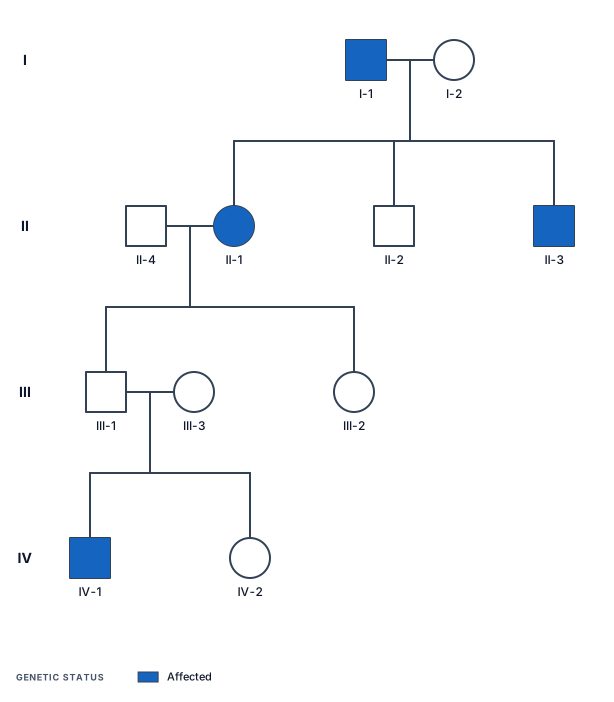
A pedigree chart for an autosomal dominant condition showing vertical transmission across four generations with one unaffected skip generation
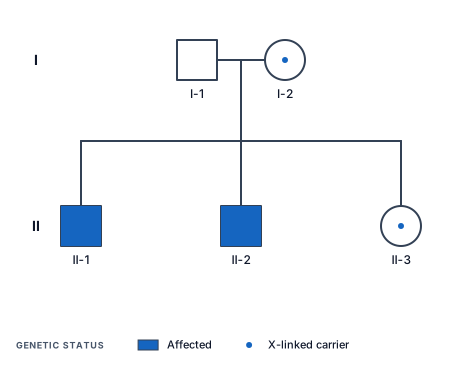
An X-linked recessive pedigree for color blindness showing a carrier mother, an unaffected father, two affected sons, and one carrier daughter. have 99 generations
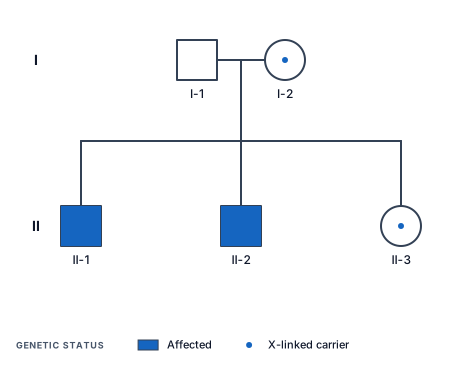
An X-linked recessive pedigree for color blindness showing a carrier mother, an unaffected father, two affected sons, and one carrier daughter. have 100 generations
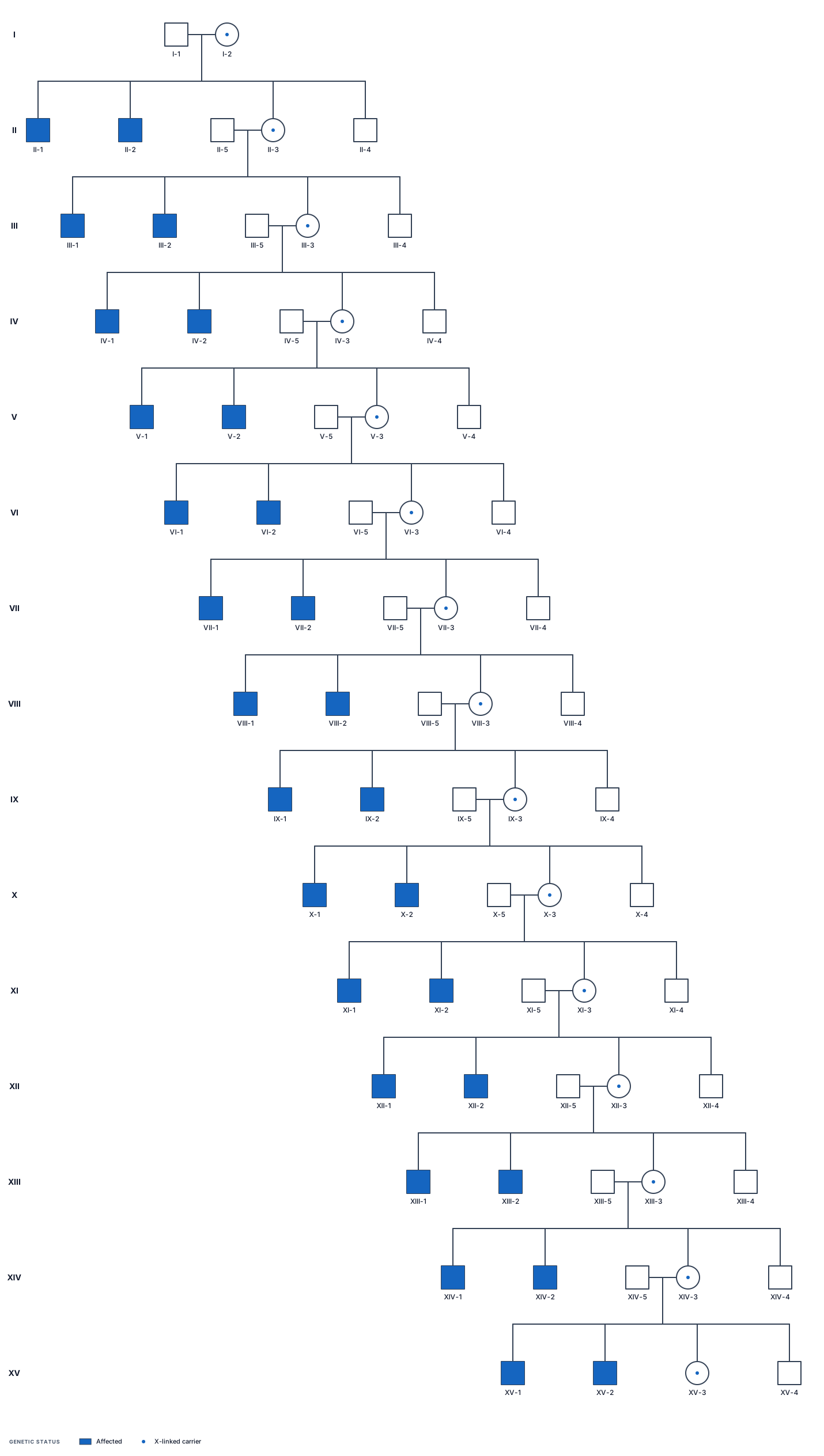
An X-linked recessive pedigree for color blindness showing a carrier mother, an unaffected father, two affected sons, and one carrier daughter. have 15 generations
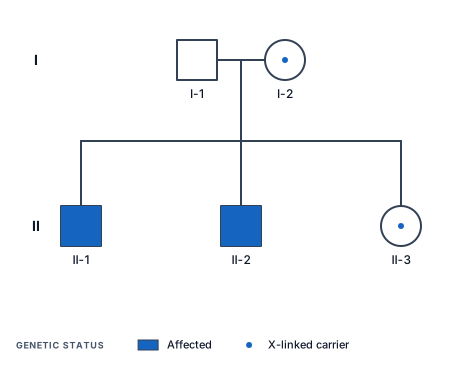
An X-linked recessive pedigree for color blindness showing a carrier mother, an unaffected father, two affected sons, and one carrier daughter
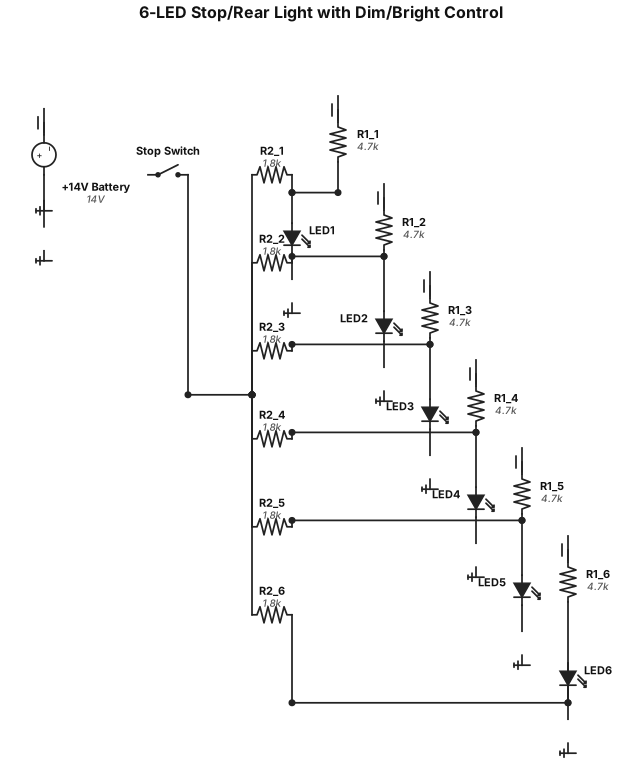
Create a clear electrical schematic for a 6-LED combined stop/rear light circuit. The six LEDs must be physically arranged in a 3-row × 2-column grid. Power supply: 12–14 V DC car battery. For each of the 6 LEDs, create one identical circuit branch. Each LED must have its own resistor network consisting of: R1 = 4.7 kΩ R2 = 1.8 kΩ R1 and R2 must be connected in parallel with each other, and this parallel resistor combination must be in series with its LED. Use exactly ONE SPST switch. The switch must simultaneously control all six R2 = 1.8 kΩ branches. When the switch is OPEN: only the 4.7 kΩ resistor is active for each LED, producing the dim rear-position mode. When the switch is CLOSED: the 1.8 kΩ resistor is added in parallel with the 4.7 kΩ resistor for each LED, producing the bright stop mode. All six LED branches must be connected across the battery in parallel so that each LED has its own identical resistor network and receives equal current. Use standard electrical schematic symbols. Clearly label: +14 V battery, GND, all six LEDs, all six 4.7 kΩ resistors, all six 1.8 kΩ resistors, and the single SPST switch. Do not connect the six LEDs in series. Do not use six switches. Make the circuit topology equivalent to the single-LED circuit shown in Figure 4, replicated six times with one common switch.
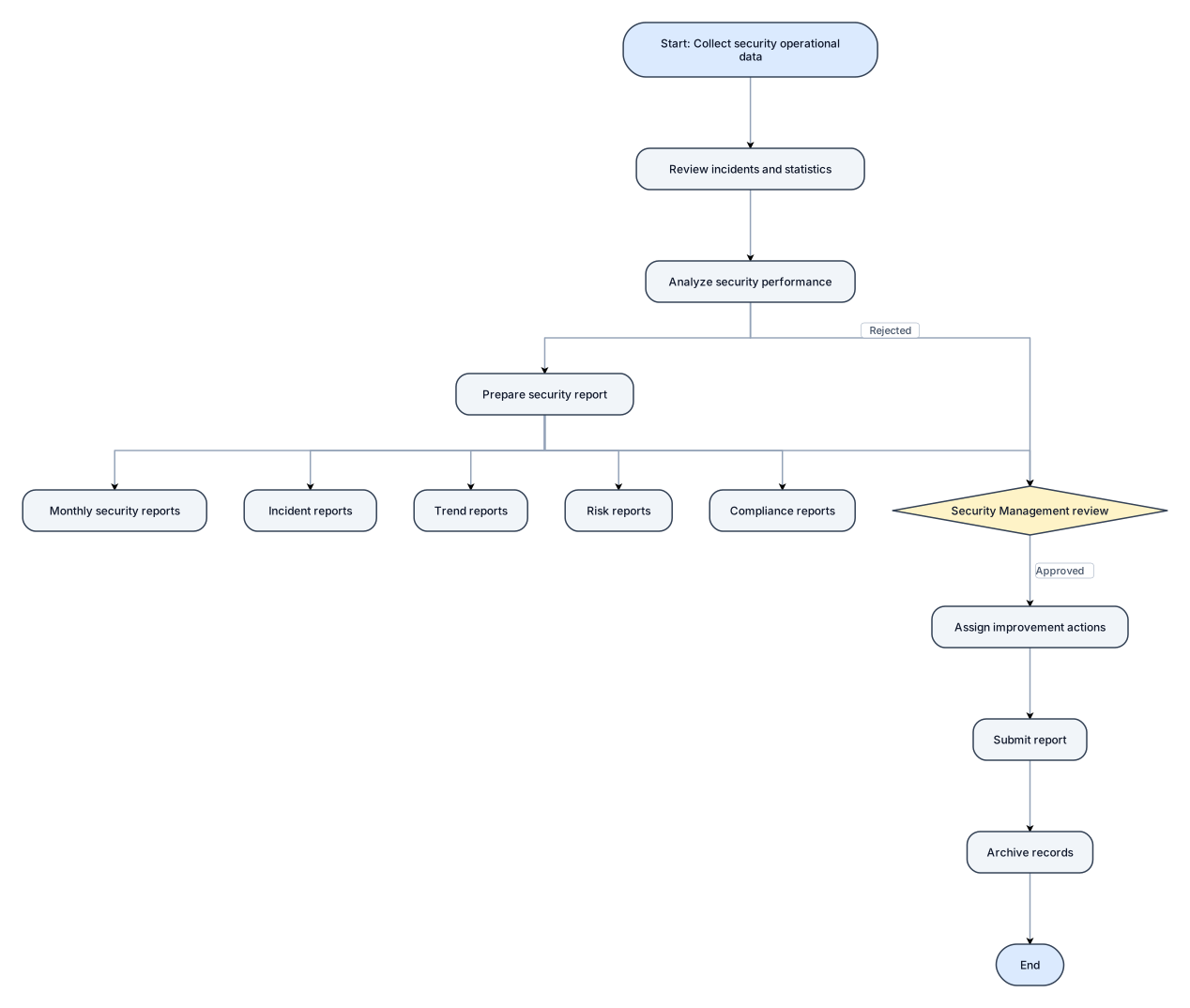
Create a Security Reporting Process Workflow for Sidra Medicine Corporate Services. Flow: Collect security operational data → Review incidents and statistics → Analyze security performance → Prepare security report → Security Management review → Assign improvement actions → Submit report → Archive records. Include report types: Monthly security reports Incident reports Trend reports Risk reports Compliance reports.
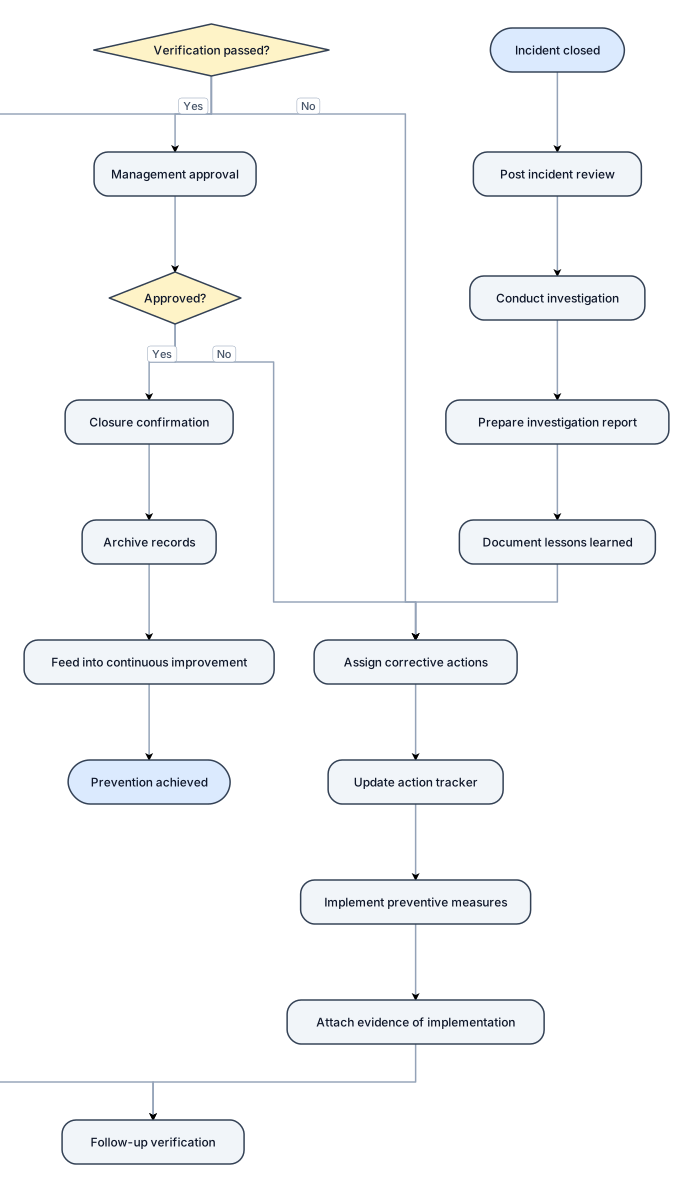
Create a Security Incident Follow-Up and Corrective Action Workflow for Sidra Medicine. Flow: Incident closed → Post incident review → Lessons learned documented → Corrective actions assigned → Preventive measures implemented → Follow-up verification → Management approval → Records archived. Include: Investigation reports Action trackers Evidence attachments Closure confirmation. Show that incidents lead to prevention and continuous improvement.
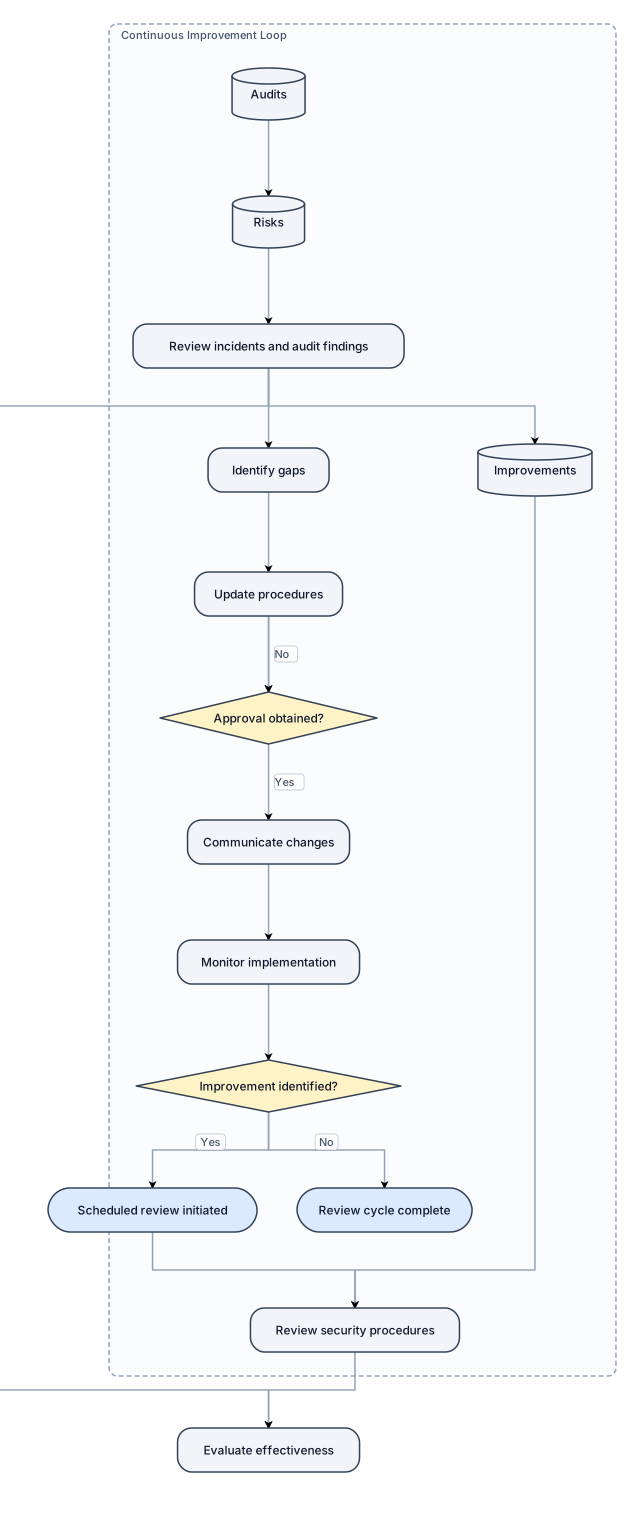
Create a Security Process Review and Continuous Improvement Workflow for Sidra Medicine. Flow: Scheduled review initiated → Review security procedures → Evaluate effectiveness → Review incidents and audit findings → Identify gaps → Update procedures → Approval obtained → Communicate changes → Monitor implementation. Connect: Audits → Risks → Incidents → Improvements.
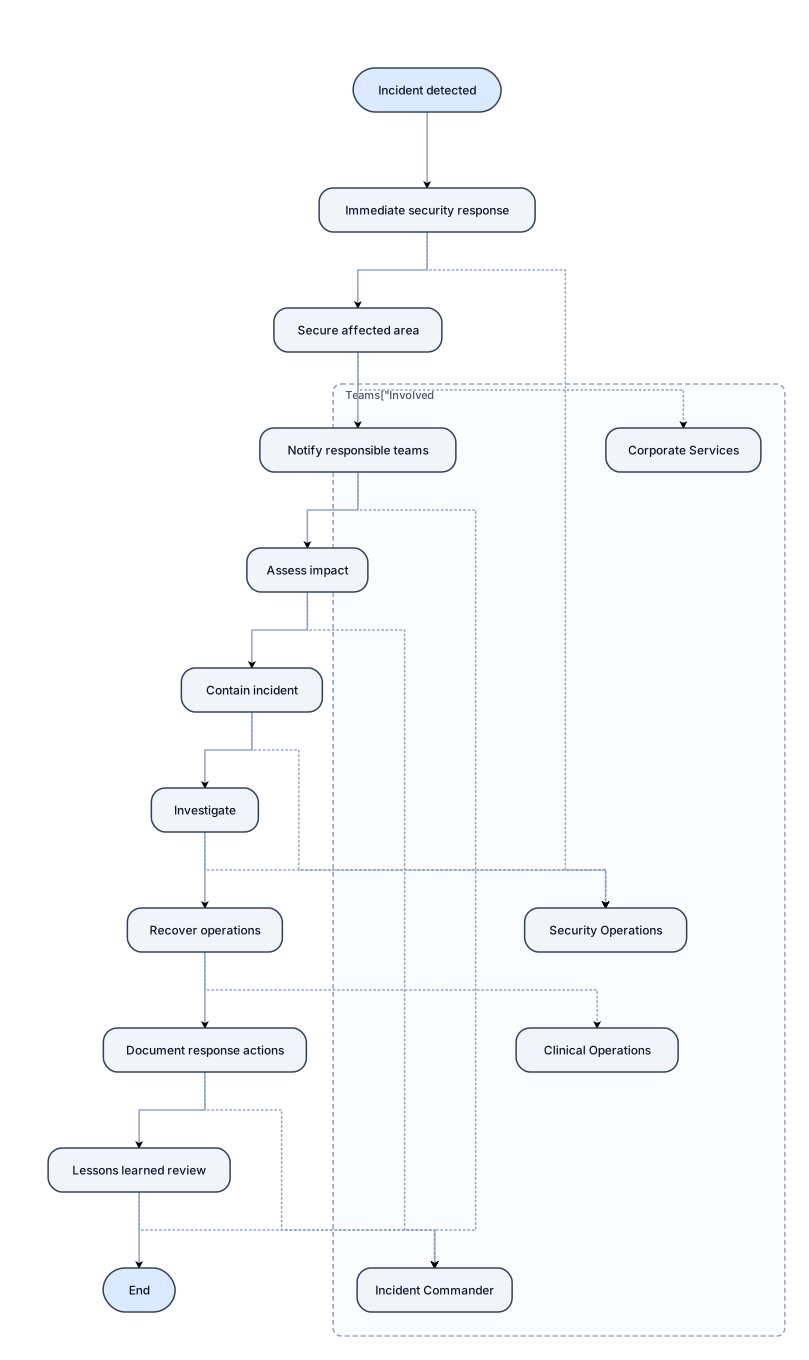
Create a Security Incident Response Workflow for Sidra Medicine. Flow: Incident detected → Immediate security response → Secure affected area → Notify responsible teams → Assess impact → Contain incident → Investigate → Recover operations → Document response actions → Lessons learned review. Show involved teams: Security Operations Incident Commander Corporate Services Clinical Operations.
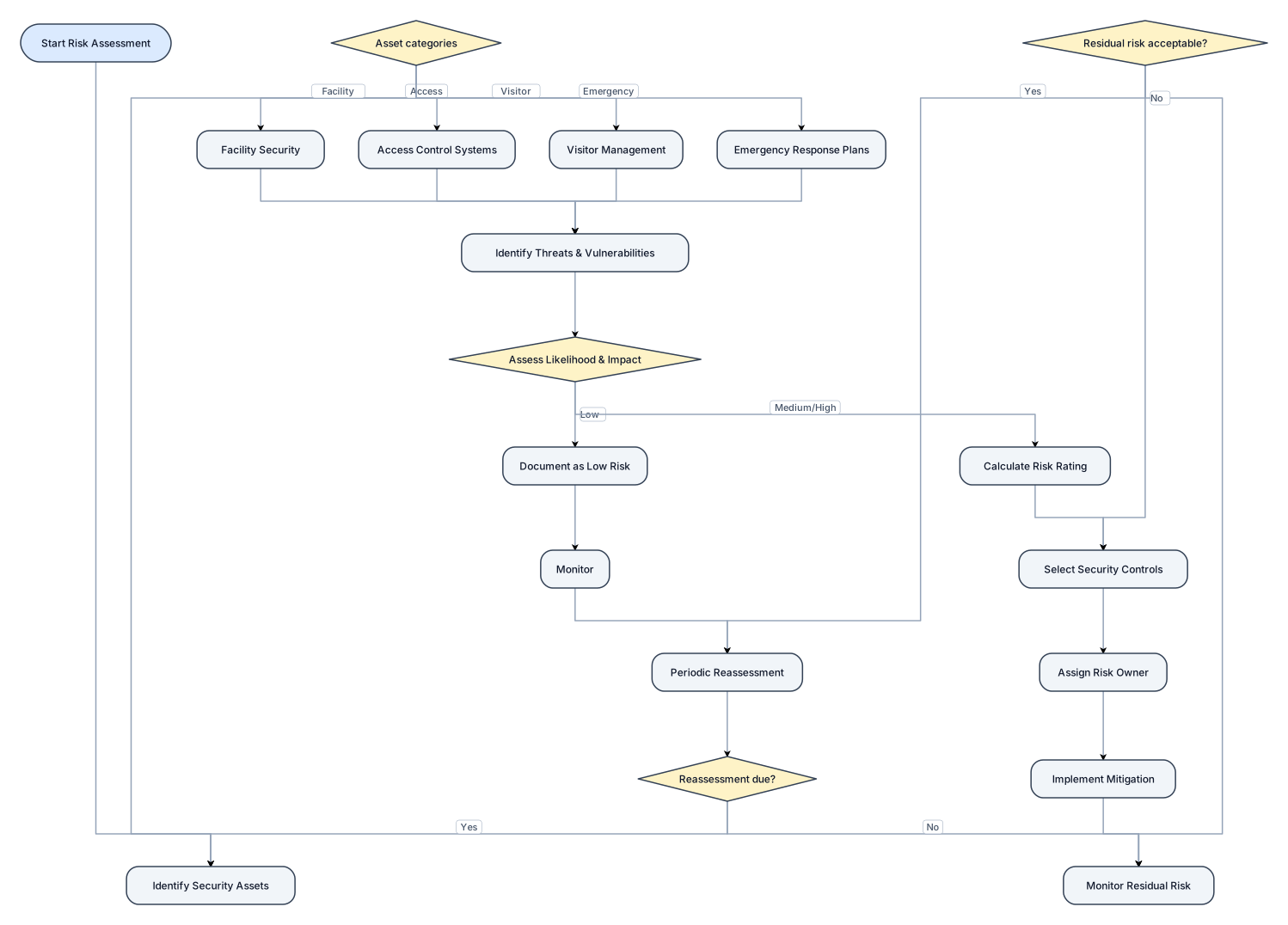
Create an ISO 27001 Security Risk Assessment Workflow for Sidra Medicine Physical Security. Flow: Identify security assets → Identify threats and vulnerabilities → Assess likelihood and impact → Calculate risk rating → Select security controls → Assign risk owner → Implement mitigation → Monitor residual risk → Periodic reassessment. Include risks: Facility security Access control Visitor management Emergency response.
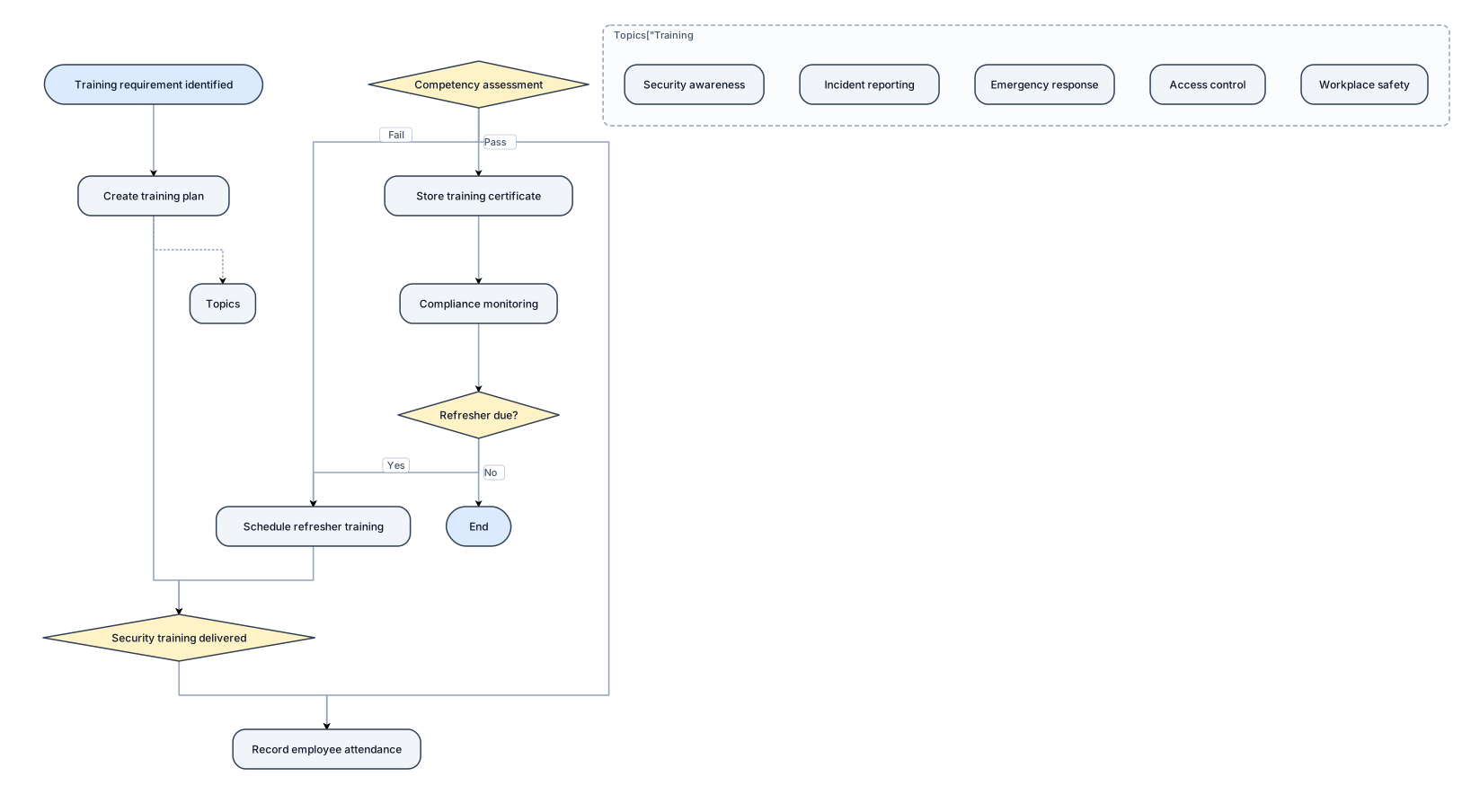
Create a Security Training Management Workflow for Sidra Medicine. Flow: Training requirement identified → Training plan created → Security training delivered → Employee attendance recorded → Competency assessment → Training certificate stored → Compliance monitoring → Refresher training scheduled. Include training topics: Security awareness Incident reporting Emergency response Access control Workplace safety.
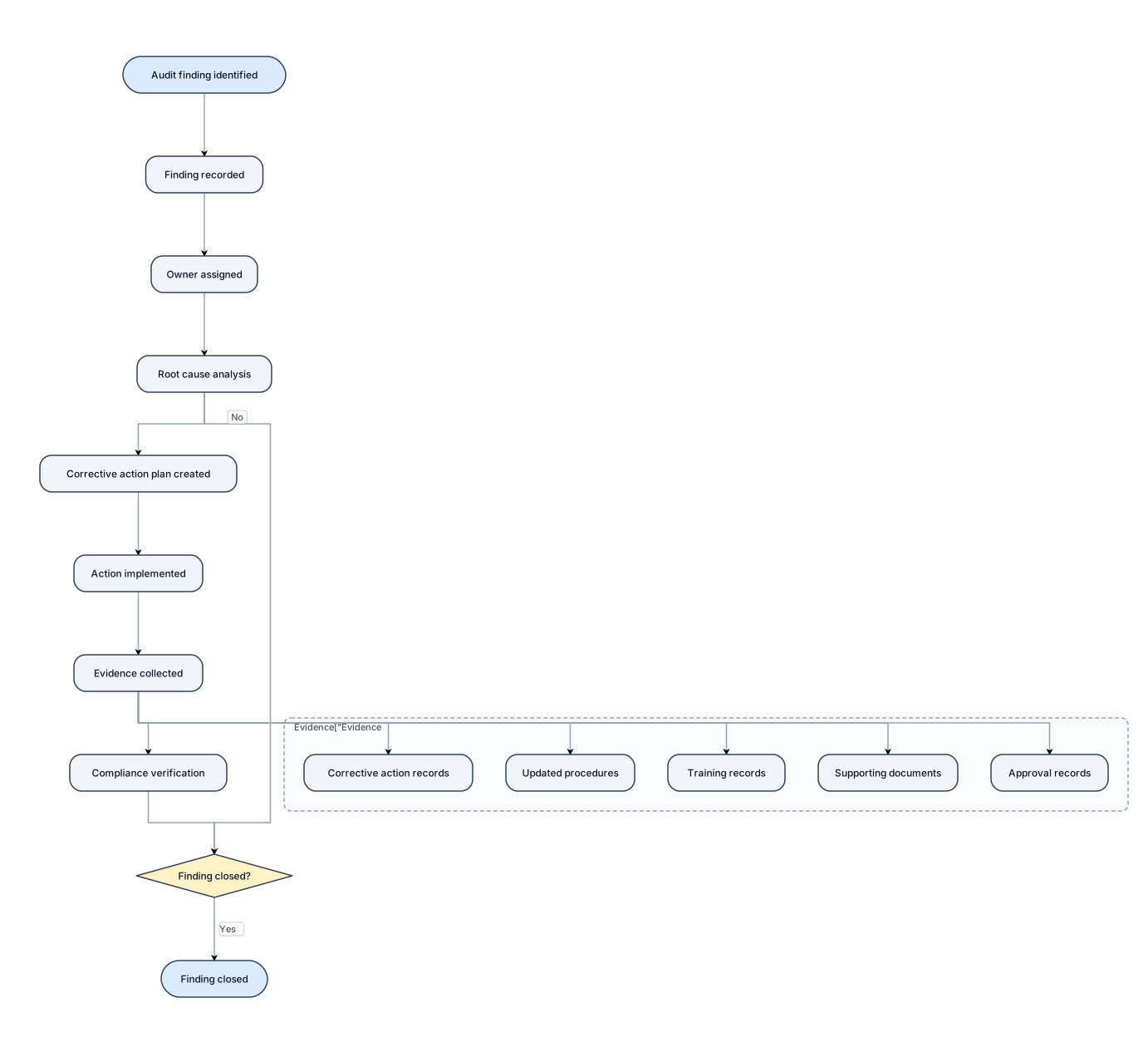
Create an ISO 27001 Audit Finding Closure Workflow for Sidra Medicine Security Department. Flow: Audit finding identified → Finding recorded → Owner assigned → Root cause analysis → Corrective action plan created → Action implemented → Evidence collected → Compliance verification → Finding closed. Include evidence: Corrective action records Updated procedures Training records Supporting documents Approval records.
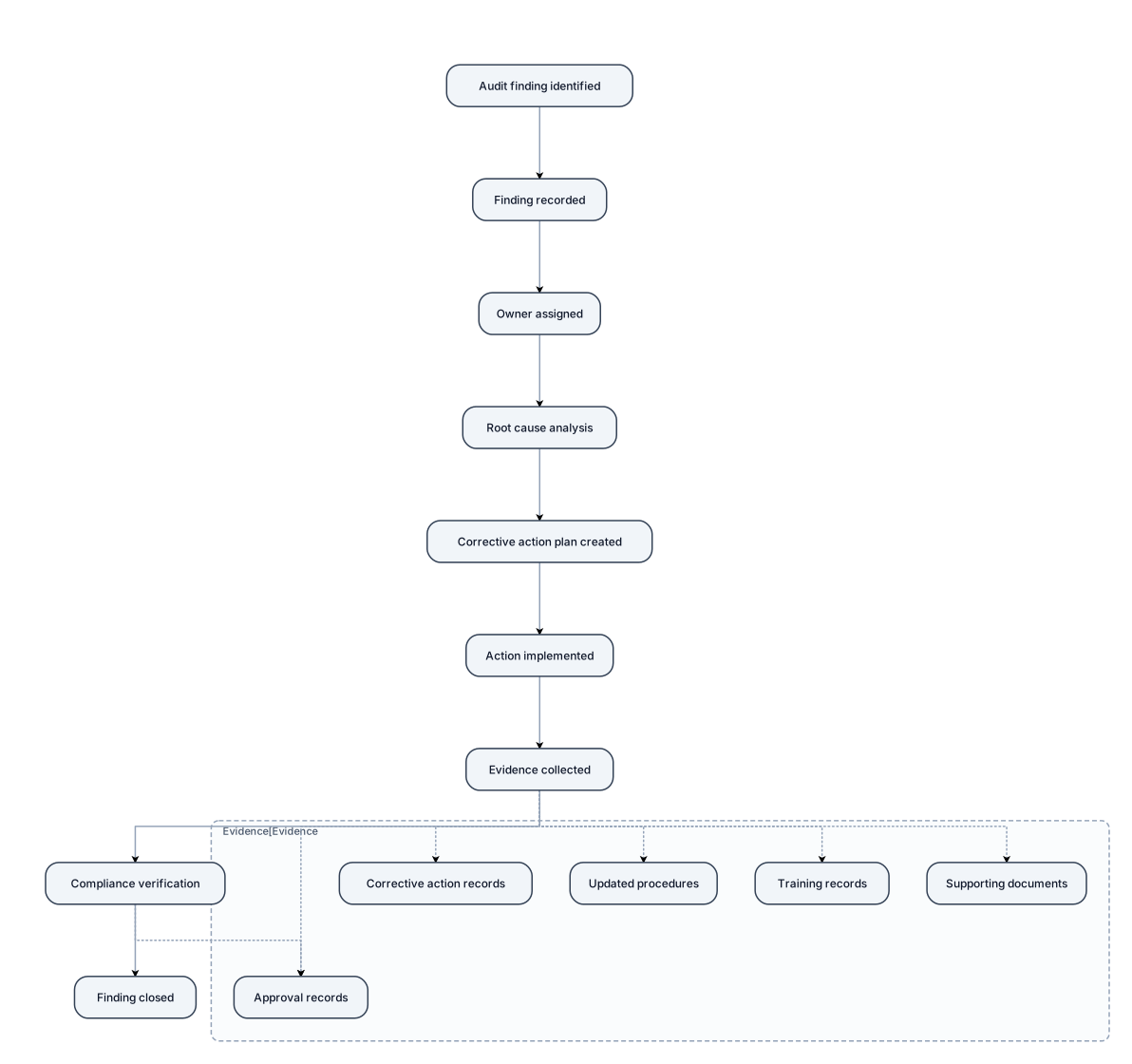
Create an ISO 27001 Audit Finding Closure Workflow for Sidra Medicine Security Department. Flow: Audit finding identified → Finding recorded → Owner assigned → Root cause analysis → Corrective action plan created → Action implemented → Evidence collected → Compliance verification → Finding closed. Include evidence: Corrective action records Updated procedures Training records Supporting documents Approval records.
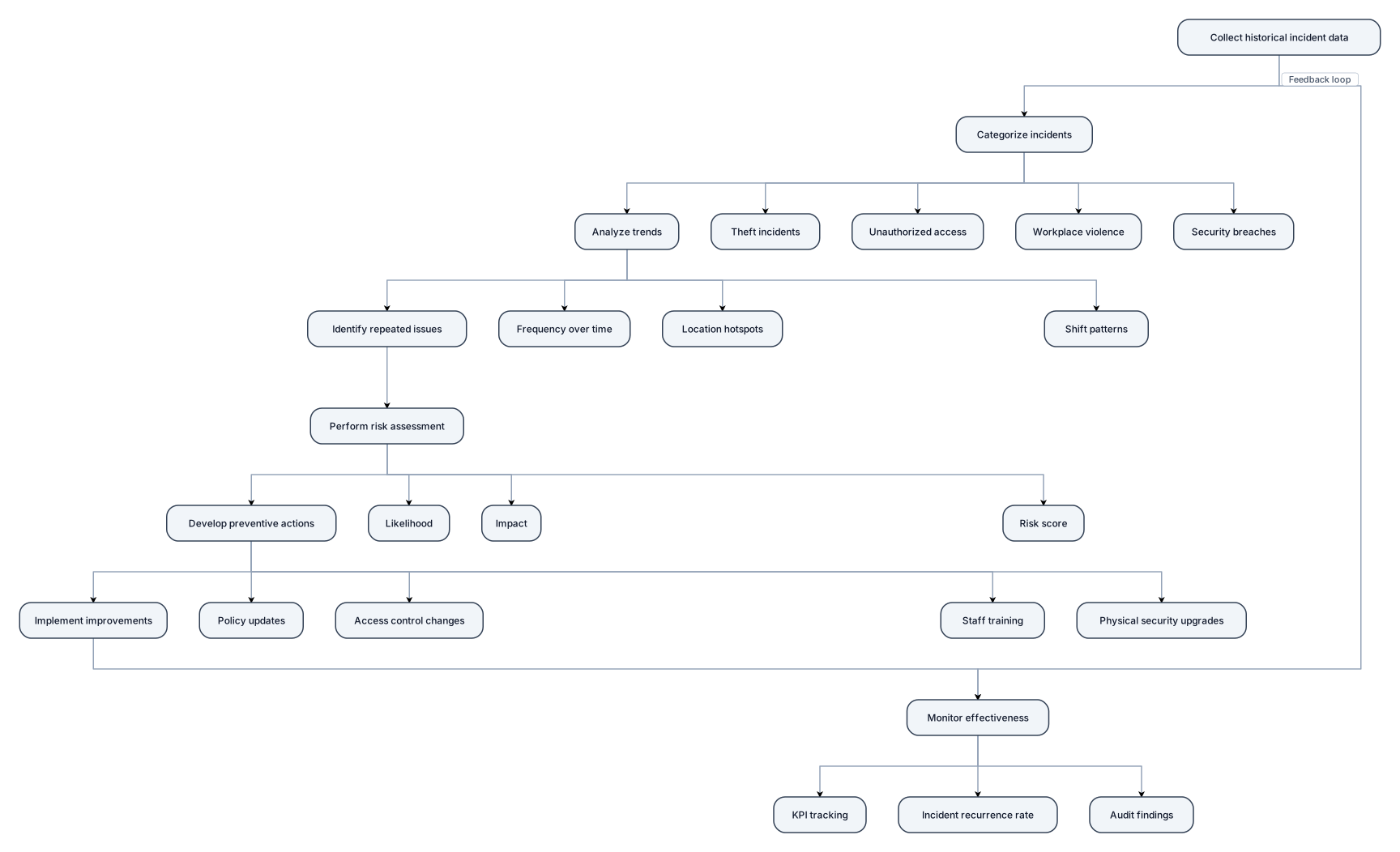
Create a Security Incident Trend Analysis Workflow for Sidra Medicine. Flow: Collect historical incident data → Categorize incidents → Analyze trends → Identify repeated issues → Perform risk assessment → Develop preventive actions → Implement improvements → Monitor effectiveness. Include examples: Theft incidents Unauthorized access Workplace violence Security breaches. Show continuous improvement cycle.
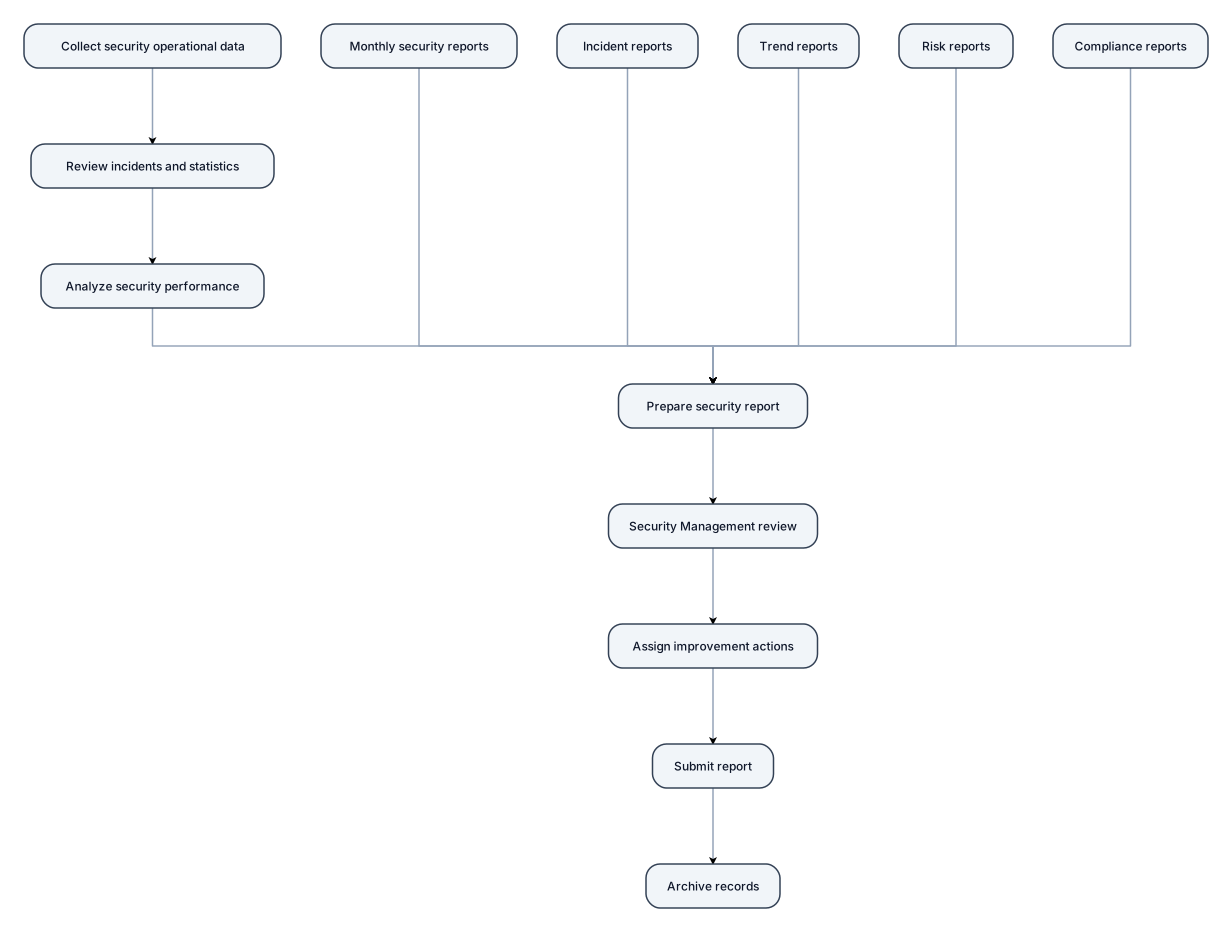
Create a Security Reporting Process Workflow for Sidra Medicine Corporate Services. Flow: Collect security operational data → Review incidents and statistics → Analyze security performance → Prepare security report → Security Management review → Assign improvement actions → Submit report → Archive records. Include report types: Monthly security reports Incident reports Trend reports Risk reports Compliance reports.
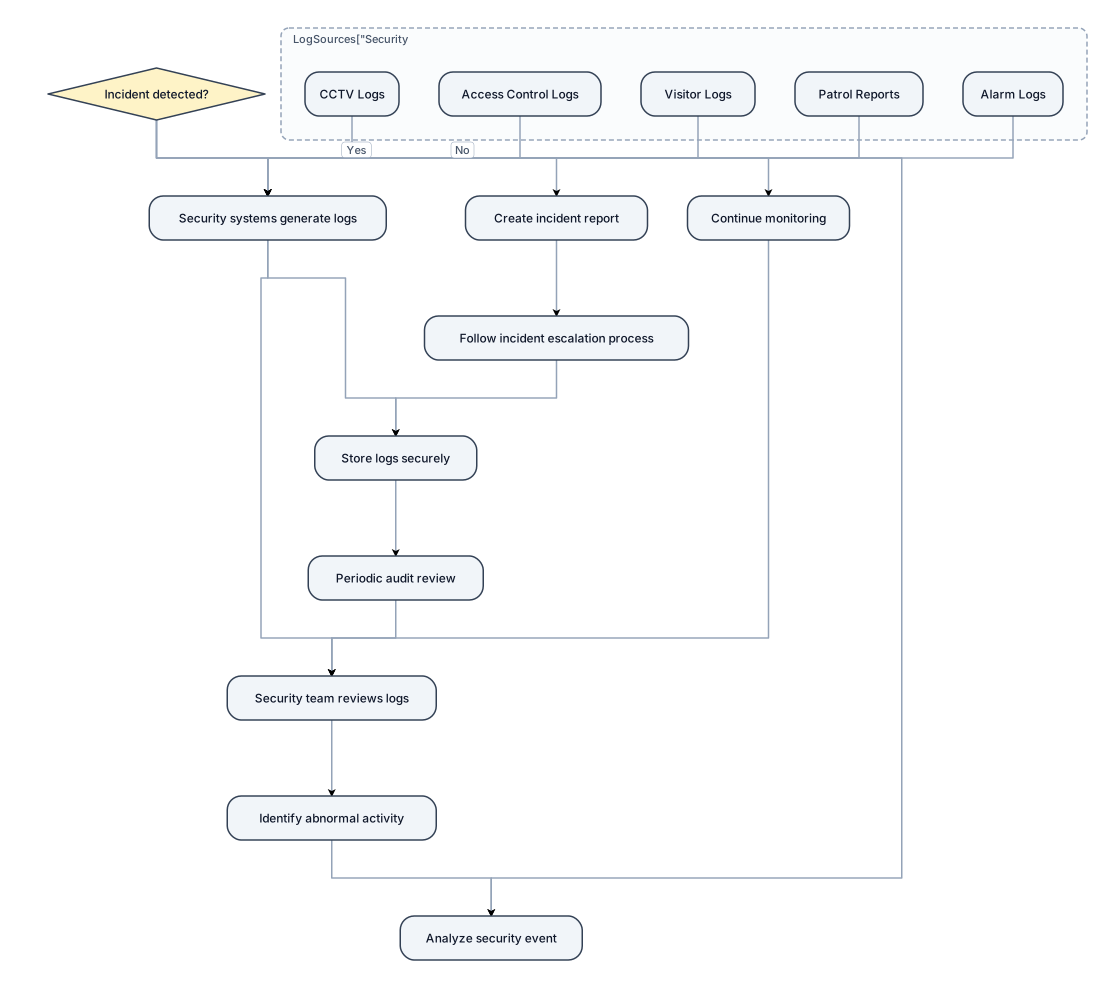
Create a Security Logs Monitoring and Review Workflow for Sidra Medicine. Flow: Security systems generate logs → Security team reviews logs → Identify abnormal activity → Analyze security event → Decision: Incident detected? Yes → Create incident report → Follow incident escalation process No → Continue monitoring Store logs securely → Periodic audit review. Include: CCTV logs Access control logs Visitor logs Patrol reports Alarm logs.
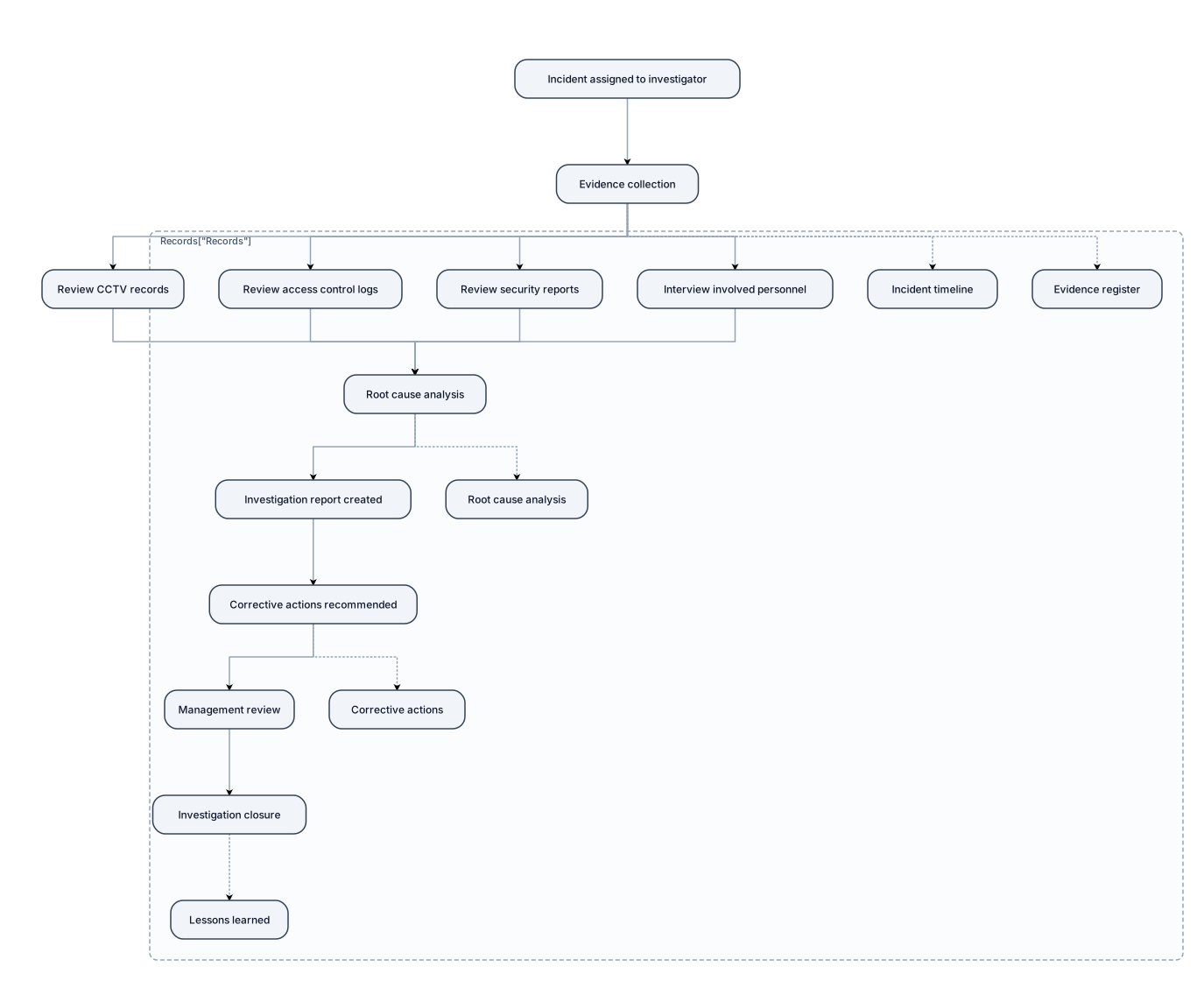
Create an ISO 27001 Security Incident Investigation Workflow for Sidra Medicine. Flow: Incident assigned to investigator → Evidence collection → Review CCTV records → Review access control logs → Review security reports → Interview involved personnel → Root cause analysis → Investigation report created → Corrective actions recommended → Management review → Investigation closure. Include records: Incident timeline Evidence register Root cause analysis Corrective actions Lessons learned.
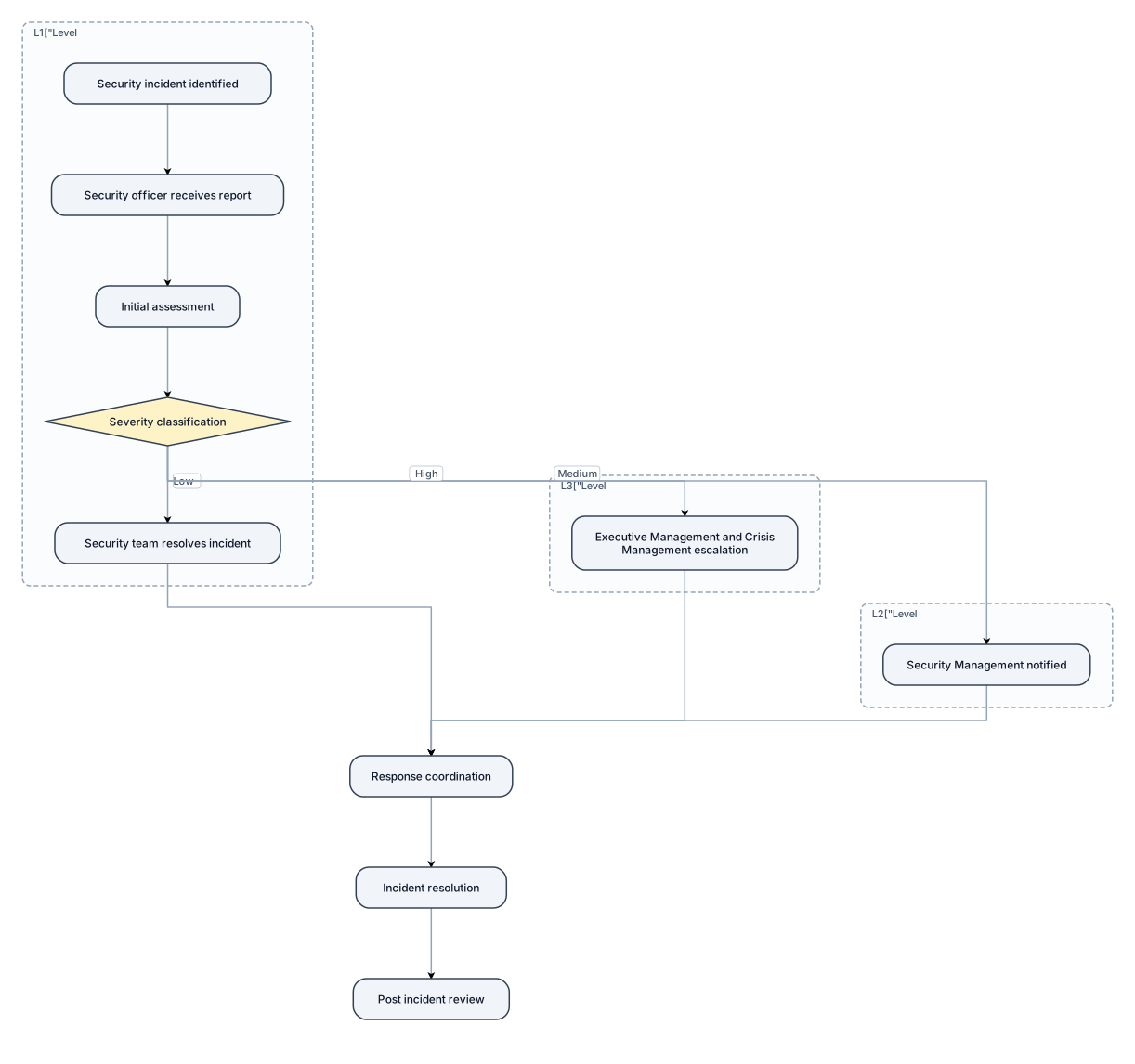
Create a Security Incident Reporting and Escalation Workflow for Sidra Medicine. Flow: Security incident identified → Security officer receives report → Initial assessment → Severity classification decision → If Low severity: Security team resolves incident → If Medium severity: Security Management notified → If High severity: Executive Management and Crisis Management escalation → Response coordination → Incident resolution → Post incident review. Show escalation levels: Level 1 Security Team Level 2 Security Management Level 3 Executive Management
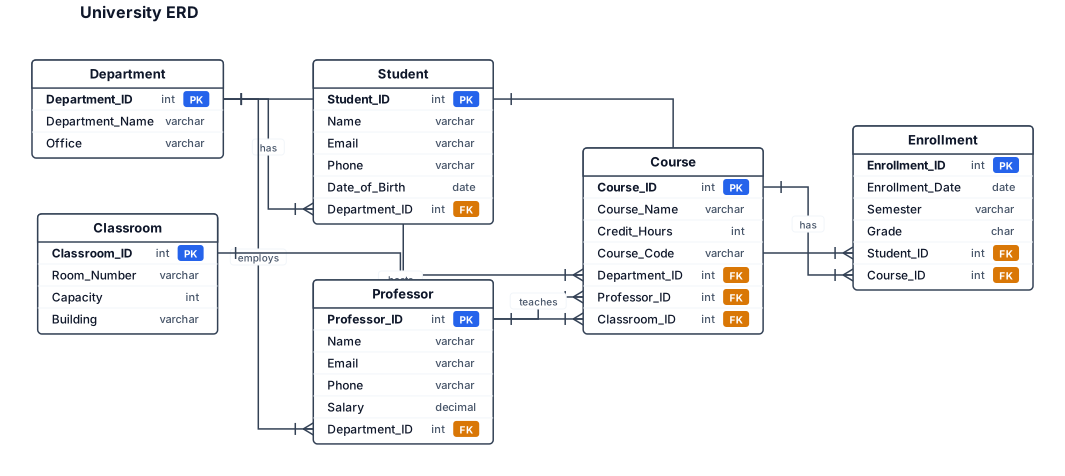
Identify Entities No. Entity 1 Student 2 Professor 3 Course 4 Department 5 Enrollment 6 Classroom 2. Define Attributes Entity Attributes Student Student_ID (PK), Name, Email, Phone, Date_of_Birth Professor Professor_ID (PK), Name, Email, Phone, Salary Course Course_ID (PK), Course_Name, Credit_Hours, Course_Code Department Department_ID (PK), Department_Name, Office Enrollment Enrollment_ID (PK), Enrollment_Date, Semester, Grade Classroom Classroom_ID (PK), Room_Number, Capacity, Building PK = Primary Key 3. Establish Relationships Relationship Cardinality Description Department — Student 1 : N One department can have many students; each student belongs to one department. Department — Professor 1 : N One department can have many professors; each professor belongs to one department. Department — Course 1 : N One department can offer many courses; each course is offered by one department. Student — Course M : N A student can enroll in many courses and a course can have many students; resolved by Enrollment. Professor — Course 1 : N One professor can teach many courses; each course is taught by one professor. Course — Classroom 1 : N A classroom can be used for many course classes; a course is assigned to a classroom f
Focused examples and prompt ideas
Start with the complete visitor wall above, then use these focused collections when you want a narrower subject and more prompt context.
The first curated collection is being prepared.